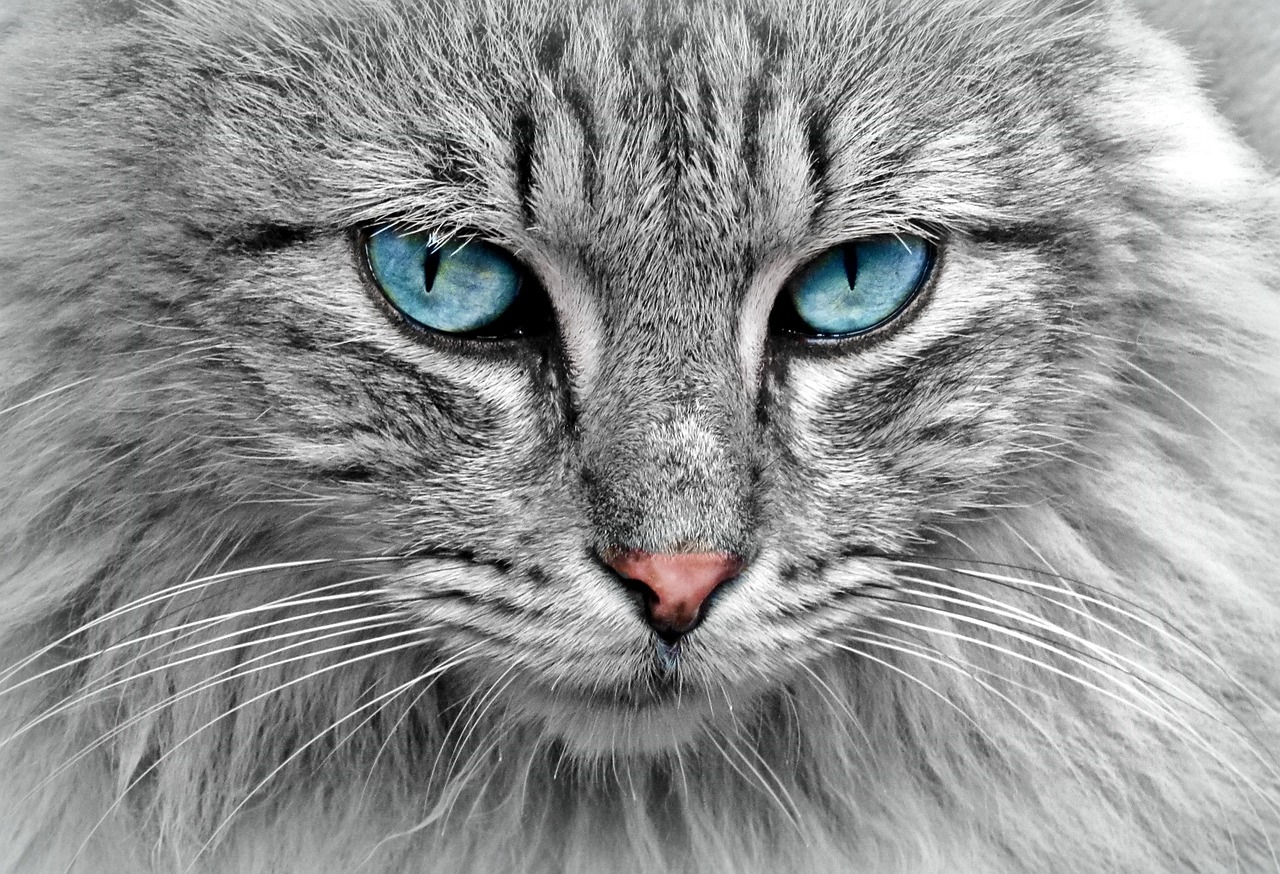

Creating a Comfortable Social Environment for Senior Cats
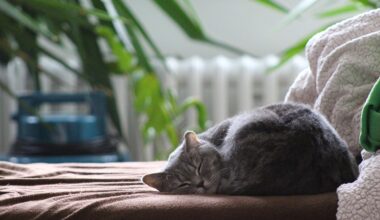
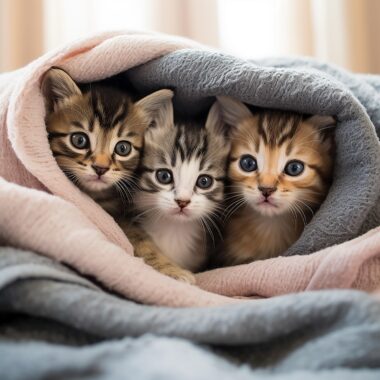
Senior cats require specialized care, especially in their social environments, to ensure their comfort and health. A comfortable social environment can significantly enhance their quality of life. Unlike younger cats, senior felines may suffer from various conditions such as arthritis, sensory decline, or cognitive dysfunction. It is essential to adapt their living spaces to remote these challenges. Encouragement of gentle social interactions can stimulate. Avoid introducing too many new stimuli all at once, as this can create stress. Instead, take time to introduce new friends slowly. Offer them places where they can retreat to, like smaller, soothing areas with familiar scents. Providing a cozy space, complete with warm bedding, can help make the cat feel more secure. Promising social interactions also lend significant benefits; consider scheduling gentle playdates or relaxed gatherings with familiar feline friends. Always monitor the cat’s responses and mood to ensure they are comfortable and engaged, as emphasizing comfort is an ongoing journey in senior cat care. In short, creating a nurturing atmosphere is key to helping a senior cat thrive socially within the home.
When considering socialization for your senior cat, it’s vital to understand their temperament and health status. Each cat is unique, and their willingness to socialize can vary greatly. Many older cats prefer routine and familiarity over new interactions. Therefore, it’s crucial to introduce companions that they are comfortable with. Start with brief visits from calm pets and gradually extend the time as your senior cat acclimates. Pay close attention to their body language for signs of stress or discomfort, adjusting interactions accordingly. If your senior cat tends to be shy, consider engaging in interactive play to help ease social tension. Ideally, keep environments peaceful during introductions, aimed at reducing anxiety and fostering comfort. Feeding your cats in close proximity but separate bowls can also help create a positive association with their company. Additionally, don’t overlook the power of human interaction; spending time with them builds bonds and enhances their mood. Regularly engaging in gentle petting and soft talking can reassure them. In conclusion, understanding each cat’s personality and maintaining gradual introductions is vital for successful socialization.
Space Sharing and Territory Management
Managing space effectively between multiple pets, especially involving senior cats, is crucial for their social well-being. Cats are territorial creatures, and conflicts can arise without proper space management. To achieve harmony, ensure that each pet has personal space conducive to relaxation. This may include multiple sleeping areas, scratching posts, and hiding spots. They should feel secure in their environment without feeling threatened by other animals. High spots, like shelves or cat trees, allow senior cats to observe from a safe distance. It also allows them the choice to engage or step back when needed. When introducing new cats to the home, consider an acclimation period in separate rooms. This step helps them slowly get used to each other’s scents before direct contact. It can also involve rotating their space so they can become adjusted to each other’s presence without immediate confrontation. Once relationships begin forming, watch for signs of aggression or stress, ensuring ongoing adjustments to their environment. Ultimately, proper space management fosters better behavior and a peaceful atmosphere for senior cats to thrive.
Another key aspect of socialization for senior cats is providing stimulating activities that encourage interaction. Interactive toys, such as wand toys or puzzles, can promote both physical and mental activity. Engaging senior cats in play helps prevent boredom and fosters interaction. Include gentle play sessions in your daily routine, promoting movement and stimulating their senses. Simple activities, like soft tosses of crinkled paper balls or chasing feather toys, can evoke playful instincts. You can also enrich their environment by introducing cat-friendly vertical spaces, perches, and hideaways for exploration and relaxation. It is essential to observe their energy level; not all seniors will be up to vigorous play, so adapt activities to those levels. Enrichment can also include auditory stimuli, such as gentle music or videos featuring nature sounds. These can soothe and keep them engaged while being low-impact. In summary, ensuring that activities fit their capabilities can aid in positive social experiences while boosting overall wellness.
The Importance of Routine
Establishing a routine is essential in creating a comfortable social environment. Routines offer predictability, which can greatly reduce anxiety in senior cats. An established daily schedule for feeding, play, and interaction helps senior cats feel secure. Following the same timeline daily allows them to anticipate when social and physical interactions will occur. Habits can also encourage consistent behaviors, reinforcing social bonds in a positive manner. When introducing new companions, align their initial visit to a routine period when your senior cat is typically active and relaxed. This encourages better engagement as they are already comfortable and awake. Moreover, timing visits for play and exploration during natural active hours maximizes the likelihood of positive interactions. Additionally, make adjustments as your cat ages. They may have adjustments in energy levels, requiring alteration in the routine to most favorably suit their needs. Patience and observance will grant insight into what works best. In conclusion, sticking to a predictable pattern can assist senior cats in adjusting socially, ensuring they remain engaged, and reducing overall stress in their lives.
Regular check-ups with a veterinarian can also play a critical role in helping seniors socialize well. Keeping track of their health can provide insights into any changes that might influence their interactions with other pets or people. Underlying health problems can heavily affect behavior. Pain stemming from conditions like arthritis can make a senior cat irritable or withdrawn, which can hinder socialization. Speak with your vet about possible treatments or adjustments to assist with comfort and mobility. Additionally, understanding any sensory declines can help elongate connections and positive experiences. For example, accommodating visual or auditory changes can aid in smoother social interactions. Simple measures like ensuring consistent layouts in your home can help them navigate safely. Always ensure that social situations consider their abilities. Set up environments that support safe interactions. Monitoring their behavior and engagement during visits allows you to gauge comfort levels effectively. In summary, consulting with a veterinarian about health status opens avenues toward better overall social experience as it carefully considers the unique challenges faced by senior cats.
Final Thoughts on Senior Cat Socialization
In conclusion, creating a comfortable social environment for senior cats involves understanding their needs while providing suitable interactions and routines. Monitoring their health and ensuring adequate space and comfort creates conducive interactions with their companions. Encouraging gentle play and strategic introductions can significantly enhance socialization experiences while minimizing stress. Mindfulness regarding their unique personalities ensures that approaches are tailored according to their comfort levels. Establishing routines while providing enriched spaces contributes to a positive atmosphere for engagement. Also, consult veterinary advice when needed to tailor environments that accommodate any health concerns affecting behavior. Each cat is deserving of personalized attention to cater to their needs, enhancing a rewarding social life. Regularly observing their reactions helps refine strategies for continued comfort and engagement. You can ensure their golden years are filled with joy, companionship, and love through thoughtful planning and patience. A fulfilling social environment is as crucial as any physical care aspect for senior cats. This ensures that quality of life continues to shine bright, making their elder years a treasured time.