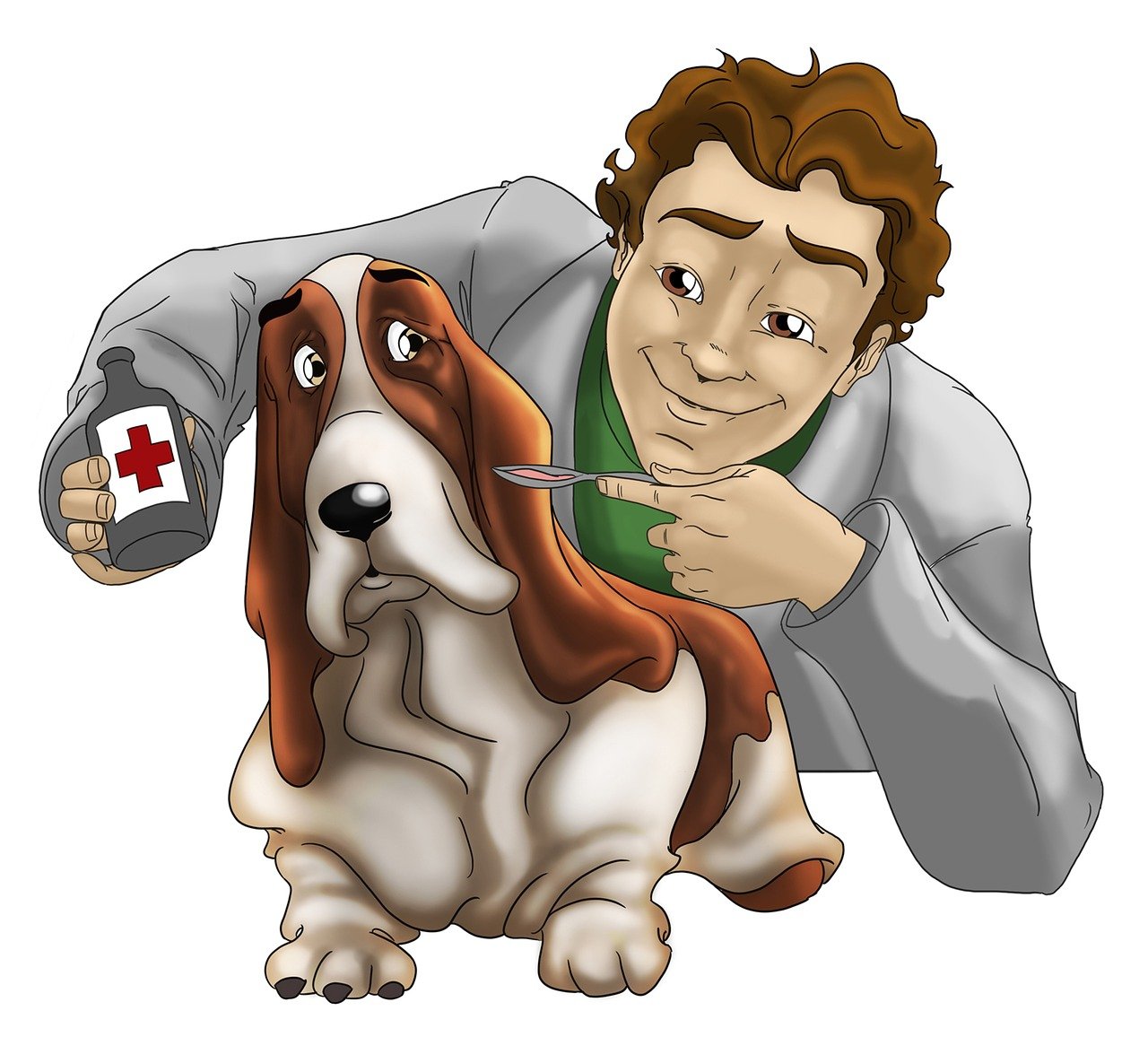

How to Communicate with Your Veterinarian About Senior Dog Cancer
When it comes to senior dogs, understanding potential health issues such as cancer is crucial. Regular communication with your veterinarian can ensure that any signs of illness are caught early. Begin by familiarizing yourself with the common types of cancer affecting senior dogs, such as lymphosarcoma, mammary tumors, and osteosarcoma. Knowing symptoms like sudden weight loss, lump formations, or lethargy can help in real time discussions with the veterinary. Be prepared to ask your veterinarian specific questions regarding your dog’s health, treatment options, and overall prognosis. Taking notes during appointments can help you retain critical information discussed. Additionally, creating a comprehensive list of your dog’s symptoms can assist your vet in making informed decisions. Do not hesitate to ask about referrals to veterinary oncologists if necessary. Establishing clear lines of communication can greatly enhance the care your dog receives and can aid in making difficult decisions regarding treatment. Overall, being proactive in your discussions will facilitate a better understanding of your senior dog’s health. The veterinarian is your partner in this journey. Ensure you treat each visit as an opportunity to gather insights and guidance for your beloved pet.
Understanding the test results is another key element of the dialogue with your veterinarian. Cancer tests can be frightening but are essential for informed decisions. Ask your veterinarian to explain the implications of each test, whether it’s bloodwork, imaging, or biopsies. Gain clarity on how these results impact your dog’s treatment options. Will your dog need surgery, chemotherapy, or palliative care? Make sure to inquire about the side effects and potential outcomes associated with these options for a clearer picture. Each senior dog is unique, and a tailored approach is often the most effective. Understand the timeline and frequency of follow-up appointments and any additional tests that may be needed. Engaging in an open discussion about costs associated with treatment can help set expectations and avoid surprises later on. Remember, this is not just clinical information; it is about your pet’s quality of life. Document all recommendations and explore your options thoroughly. Consider joining support groups for pet owners facing similar challenges, which can help you navigate this emotional journey more effectively.
Moreover, many pet owners find it beneficial to bring another person along to veterinary visits. Having a companion can help reduce stress and allow for a more focused discussion with your veterinarian. This person can take notes and ask additional questions you might overlook in a somewhat emotional environment. If you’re nervous about the visit, practice asking questions beforehand to boost your confidence. Discussing your dog’s changes in behavior and health at the visit is critical, so remember to remain honest about your observations. It’s also helpful to explore palliative care options if the diagnosis is grave; understanding this can ensure comfort for your senior dog. Additionally, familiarize yourself with local resources, like veterinary nutritionists, who can advise on diet adjustments to aid your dog’s health. You could also explore alternative therapies, like acupuncture or holistic approaches, depending on your veterinarian’s recommendations. Being open to various options can provide your furry friend a better quality of life in their senior years. Remember, effective communication involves listening as much as it does speaking.
Keeping a Journal
Keeping a health journal for your senior dog is a useful strategy. Tracking symptoms, behaviors, and important events can provide clear insights over time. Note changes in appetite, energy levels, and any new lumps or bumps. This documentation can facilitate discussions with your veterinarian. Additionally, recording medications and their effects makes it easier to see patterns, especially regarding side effects of treatments your dog might be undergoing. Include any reactions your dog has to new medications or treatments, whether positive or negative. Revisit your journal during vet visits to access this valuable information quickly. This practice not only empowers you but also ensures that your dog receives consistent and informed care. It fosters a deeper understanding of your dog’s health over time, aiding in prior discussions. When consulting with specialists, sharing this journal can also provide them with insights into your dog’s ongoing treatment needs. Keeping an organized record can transform how you interact with veterinary professionals, turning each visit into a productive and informative consultation rather than a routine check-up.
Educating yourself about senior dog cancer is critical. The more informed you are, the better you can advocate for your dog’s needs. Spend time researching reliable pet health resources, such as veterinary oncology websites or local animal hospital publications. Gather information about the conditions specific to your breed, as some breeds are predisposed to particular cancers. Understanding efficacy rates for treatments will help anticipate the possible outcomes. Ensure that the information you are gathering is peer-reviewed or comes from reputable veterinary professionals. Ask your veterinarian for resources they recommend, which can further support your understanding. Websites such as the American Kennel Club or veterinary schools often have dedicated resources for senior dog health. As you learn, prepare to ask complex questions during veterinary appointments and make a list to bring along. Knowledge empowers pet owners in these discussions. Your vet appreciates well-informed pet owners as it allows them to provide clear recommendations based on your understanding. This empowerment can strengthen the partnership between you and your veterinarian, ensuring you are both aligned in care decisions.
Lastly, preparing emotionally for difficult conversations regarding your senior dog’s health is essential. Cancer is often a serious diagnosis, and the associated stress can be overwhelming. Recognize that it’s completely normal to feel a range of emotions, from fear and sadness to uncertainty. Your veterinarian has experience navigating these tough discussions and can provide compassionate support. Make it a priority to discuss your fears and concerns openly. They can help you weigh the options realistically, considering your dog’s quality of life. Seeking emotional support can also ease the burden of dealing with these issues alone. Whether it’s talking with friends, family, or a professional, sharing your feelings can provide comfort. Moreover, if you are part of a support group, utilize these resources to connect with other pet owners sharing similar experiences. Their stories can often provide insights on coping strategies, as well as navigating care conversations. Ultimately, caring for a senior dog facing cancer is more than just procedural; it involves emotional resilience and understanding, facilitating better outcomes for your furry family member.
In summary, open communication with your veterinarian is pivotal when dealing with senior dog cancer. From understanding symptoms to discussing treatment options, every conversation counts. Engage actively with your vet and be prepared with notes and questions to make the most of each visit. Keeping a detailed health journal can greatly help during these discussions. Further, educate yourself about cancer types, treatment alternatives, and supportive care measures for dogs. This knowledge will empower you while advocating for your dog’s best interests. Remember that you’re not alone in facing these challenges; seek support when needed. As you navigate this journey, maintain faith in your ability to make informed choices for your beloved pet. Building a strong relationship with your veterinary team can significantly enhance the quality of care received. Effective communication can ultimately lead to better outcomes, ensuring that your senior dog enjoys their golden years with dignity and love. Treasure each moment and remain proactive in communicating changes, thus enhancing their well-being throughout this difficult experience.