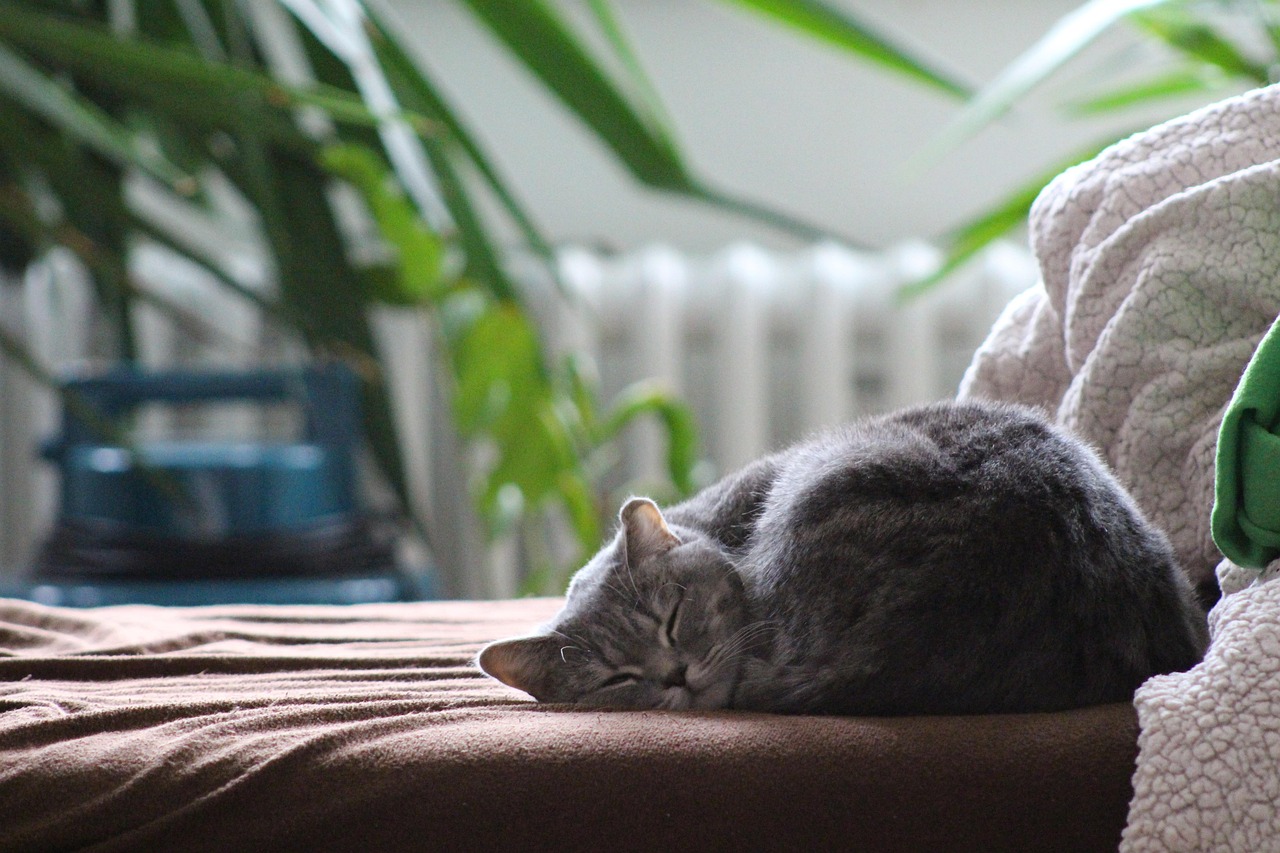

How to Create a Calm Environment for Your Cat
Creating a calm environment for your cat is essential, particularly if you are dealing with overactivity and hyperactivity issues. Start by setting up a specific area in your home where your cat can retreat. This area should have a comfortable bed, toys, and a few scratching posts. Establishing boundaries ensures that your cat feels safe and secure. Use soft lighting to create a serene ambiance, as bright, harsh lights may contribute to over-stimulation. Providing vertical spaces, like cat trees, also helps cats feel more secure, giving them a place to observe the environment from above. Keep this area free from excessive noise, as a loud environment can heighten anxiety levels. Spend time each day playing with your cat, but balance the intensity of play to avoid overstimulation. Additionally, consider incorporating calming scents, like lavender, which can soothe your cat. Regularly changing the environment and toys can also keep their curiosity engaged without overwhelming them. Above all, be patient and observant. Every cat’s need for calm differs, so tailor your approach to suit your furry friend.”},{
Another key aspect of creating a calm environment involves consistency in routines. Cats thrive on routine as it gives them a sense of control over their surroundings. Establish feeding times, play sessions, and quiet moments consistently every day. This predictability helps reduce anxiety and can help manage hyperactivity. Avoid sudden changes in the household, such as rearranging furniture or bringing in new pets which may stress your cat. Also, consider providing hiding spaces like cardboard boxes or cat tunnels. These areas not only act as retreats but also stimulate your cat’s natural instincts to hide and hunt. When your cat has places to feel secure, it reduces their stress levels. To encourage calmness, utilize slow feeder bowls during mealtimes to prolong the eating experience. This promotes a relaxed atmosphere while nourishing your cat. Regular grooming sessions can also help in keeping your cat calm as it fosters trust between you both. Pay attention to your cat’s body language and behavior; understanding when they’re feeling overstimulated is crucial. Providing a calm environment is an ongoing process that requires adaptation to ensure your cat’s happiness.”},{
Engaging Your Cat’s Senses
Engaging your cat’s senses in a calm manner is another essential factor to mitigate hyperactivity. Consider puzzles and interactive toys that require less intense play but stimulate thought processes instead. This encourages mental engagement without causing a frenzy. You might introduce calming music specifically designed for cats; research suggests that certain frequencies can reduce anxiety and promote a serene ambiance. Offer various toys that resonate with different types of play. Look for soft toys, feather wands, or balls that roll, stimulating hunting instincts without overstimulation. Place these toys in different areas for your cat to discover gradually. Additionally, allocate time for gentle petting sessions, as physical affection can promote relaxation. The bond emerged during these moments can alleviate anxiety levels. Make sure to observe and note your cat’s preferences, as some may prefer certain textures or scents over others. If your cat enjoys catnip, rotating the dosage can spice up their routine without the risk of overstimulation. Ultimately, alternate play styles to maintain interest while creating a calm environment conducive to your cat’s peace of mind.”},{
Environmental enrichment contributes significantly to your cat’s mental wellbeing, helping to alleviate hyperactivity. Consider setting up interactive feeding stations or puzzle feeders that challenge your cat mentally without draining their energy all at once. This encourages problem-solving abilities while keeping their day interesting. Designate specific areas for climbing structures and scratching posts, as these fulfill their natural instinctual behaviors. Incorporate items like bird feeders outside windows to give your cat something to observe while remaining calm and engaged. Ensure they have safe access to window views, as external stimuli can often hold their attention better than indoor distractions, calming them in the process. You might also consider rotating toys weekly. Changing toys can rejuvenate your cat’s interest, allowing them to explore with curiosity rather than restlessness. Diversifying playtime activities can avoid repetition, reducing the chance of hyperactivity. Each week’s new items keep them mentally stimulated while providing ample opportunities to burn off excess energy. Lastly, don’t forget about human interaction; spend time cuddling and speaking softly to your cat, reinforcing their feeling of safety.”},{
Space Management and Organization
Proper space management is crucial in fostering a calm environment for your cat. Create designated spaces for scratching, sleeping, and playing, to help your cat associate each area with specific activities. Keeping their litter box clean and situated in a quiet area can significantly affect their stress levels. Cats are sensitive creatures, and too much chaos in their surroundings can lead to anxiety. Allow them access to quiet zones within your home while maintaining a clutter-free environment. Limit the number of stimulating electronic devices like televisions and radios in areas your cat frequents, as these can create environmental noise. These distractions can heighten their hyperactivity levels. Each cat has its own personality. Therefore, some may prefer an organized layout while others may like more open spaces. When introducing new items, do it gradually, so your cat can adapt to each change independently. Regularly assess the home’s layout to ensure it remains conducive to a calm atmosphere. As a rule of thumb, more clutter or distractions can lead to heightened anxiety levels, so a tidy space leads to a calm mind. Ongoing adjustments provide the best results.”},{
Additionally, you might explore the benefits of employing calming products available on the market. Products such as calming collars, diffusers with pheromones, or calming sprays can help lower anxiety levels significantly for some cats. Experiment with these tools to determine what works best for your feline friend, as every cat may respond differently. It’s essential to introduce these calming aids gradually and monitor their effects over time. Maintain a close observation of changes to your cat’s behavior, as these products can sometimes have immediate or cumulative effects. This approach can assist you in arriving at the right solutions tailored to your cat’s reactions. Not all calming products are equally effective in every scenario, but those that fit into your routine can go a long way in providing comfort. Be cautious and consult a veterinarian before introducing any new products, especially if your cat has pre-existing conditions or sensitivities. With persistence and care, you will find the balance of a calming approach that enriches your cat’s environment and promotes overall well-being.”},{
Conclusion: The Path to Calmness
In conclusion, fostering a calm environment is essential in managing hyperactivity and ensuring your cat’s happiness. By establishing routines, managing space, and providing ways to engage your cat sensibly, you can create a serene and secure atmosphere. Every cat is unique, and understanding their individual preferences is key to tailoring your environment effectively. While challenges may arise during adaptational phases, patience and observation will guide you in tweaking your methods. Enriching their environment with elements that cater to their instincts, such as vertical spaces and tactile experiences, will help cultivate a calming influence. Along with incorporating soothing scents and sounds, many methods can effectively divert their attention from overactivity. Their emotional wellbeing contributes to their physical health, ensuring they are protected from stress-induced illnesses. Be open to continual assessment and changes in layout, decor, and strategies as your cat grows and develops. Ultimately, managing hyperactivity through environment changes leads to a happier, calmer, and more engaged feline companion. This journey not only benefits the cat but enriches the bond between you and your furry friend as well.