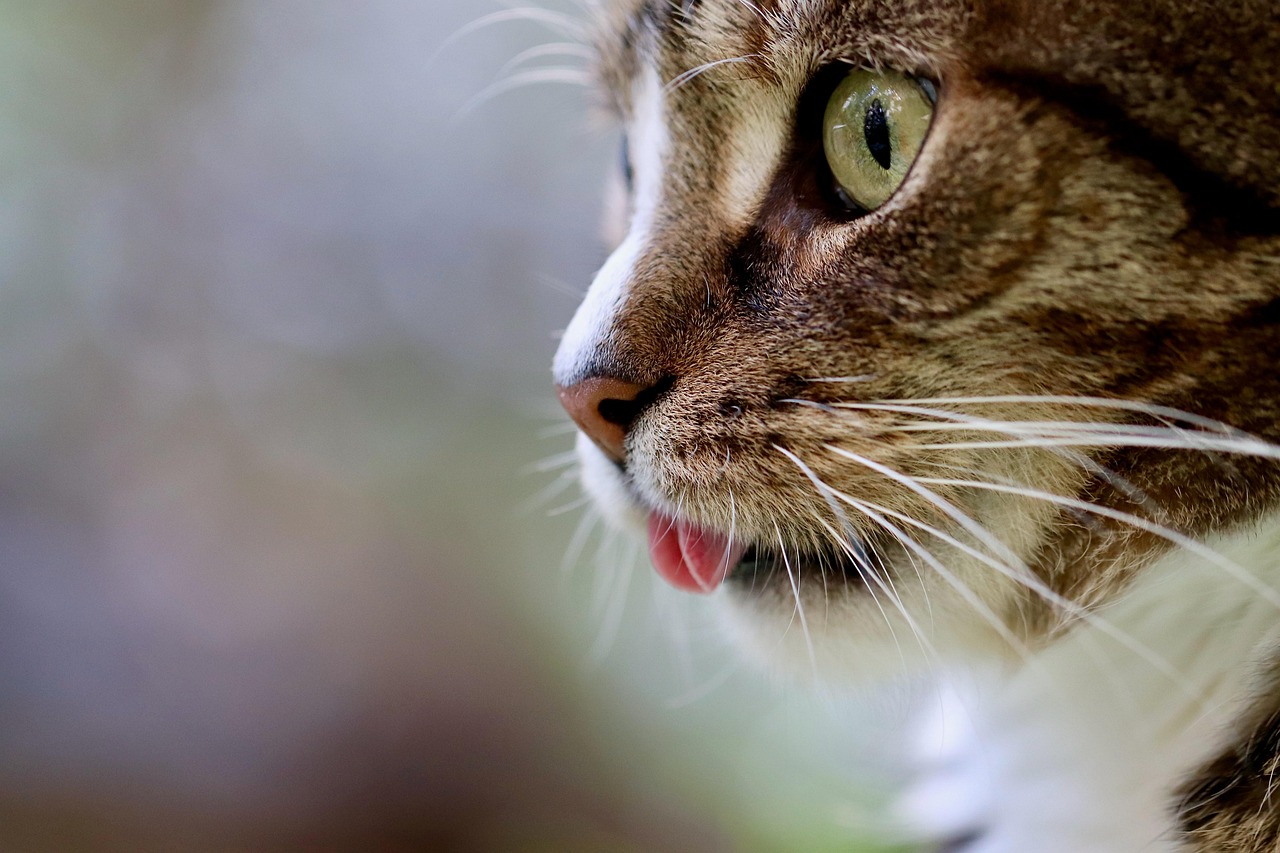

How to Prepare Your Cat for Neutering in a Breeding Environment
Preparing your cat for neutering is crucial, especially in a breeding environment. First, consult your veterinarian to determine the best timing for the procedure. They may recommend neutering when the cat is around five to six months old. Creating a comfortable space for your feline friend post-surgery is essential. Ensure the area is quiet, free from disturbances, and has access to food and water. Monitor their health closely after the surgery to ensure they are recovering well. Watch for any signs of discomfort or unusual behavior; if noted, contact your vet immediately. Reducing the cat’s stress before the procedure may also be beneficial. Play with them, and help them feel secure to lower anxiety. Additionally, refrain from feeding your cat during the night before the surgery as your vet may advise. Preparing transportation, such as a secure carrier, can help minimize the stress during their visit to the clinic. Finally, educate yourself about the post-operative care, including medication or follow-up visits. These steps will greatly ease your cat’s transition into a neutered life.
Following your veterinarian’s instructions is key to a successful surgery experience. One common concern in breeding environments is maintaining the health of breeding cats while they undergo neutering. Ensure that your cat is healthy enough for the procedure; a fitness check-up is ideal prior to surgery. Inform the vet about any existing health conditions and medications your cat is taking. Proper nutrition is vital; feed them a balanced diet leading up to the surgery. Avoid any drastic dietary changes as these can negatively affect their health and recovery. Support the immune system with proper nutrients, especially during this period. Physical well-being is also important. Regular exercise and playtime will keep your cat fit and stress-free. Encourage activities that facilitate confidence and wellbeing. Post-operatively, follow through with appropriate resting conditions and keep them indoors until the vet gives the go-ahead. Consider using a calming pheromone diffuser to help your cat adjust to their new state. This will significantly alleviate anxiety and contribute to a smoother recovery process. Being proactive about these steps will ensure the wellbeing of your cat before and after neutering.
Understanding the neutering procedure is beneficial for any cat owner in a breeding environment. Neutering is a surgical procedure that involves the removal of reproductive organs. Male cats undergo castration, while females experience ovariohysterectomy. Knowledge of the anesthesia used, as well as the healing process, will help you prepare mentally and physically for your cat’s surgery date. Ensure that you keep the area where the surgery is performed clean and hygienic to avoid any infections. Furthermore, monitoring your cat’s body temperature before and after the procedure is essential, as maintaining the right temperature is key in recovery. If the cat experiences a sudden drop in temperature, it may require immediate attention. After the surgery, be prepared for some changes in behavior. Neutering can reduce aggressive tendencies in males, while females may become less moody. This adjustment is part of the healing and transitioning process. Consult your veterinarian for any behavioral concerns you may observe. Educating yourself helps you assist your cat in adapting to these changes effectively, ensuring their continued happiness and wellbeing post-neutering.
Post-Neutering Care
After neutering, providing proper care is essential to ensure a smooth recovery for your cat. It is important to follow your veterinarian’s post-operative care instructions diligently. This includes managing pain effectively. Your vet may prescribe medication to help manage discomfort; be sure to administer it as directed. Monitoring the surgical site for signs of infection is also vital. Look for swelling, redness, or any unusual discharge. If any of these symptoms appear, contact your veterinarian immediately. Offering a quiet and warm space for rest will encourage your cat to recover comfortably. Limited activity will help avoid strain on the surgical area, so discourage vigorous playtime and jumping. Providing your cat with nutritious, easily digestible food post-surgery is important for their recovery. Hydration is equally important; ensure there’s constant access to fresh water. Gradually reintroduce their normal diet as instructed by your vet. An added benefit of neutering is behavioral improvements. Fewer territorial disputes and less fighting may occur, promoting harmony in a breeding environment. Regular check-ups post-surgery are necessary to ensure a full recovery.”},{
Post-neutering, pay attention to your cat’s behavior and adjust as necessary. For example, males may demonstrate less interest in roaming, while females may show reduced nesting behaviors. These changes are beneficial in reducing unwanted litters and fostering a more manageable household. Engage with your neutered cat by providing stimulating toys and interaction. This will keep them mentally sharp during their recovery. Familiarity with their daily routine helps in easing their transition into this new stage of life. Introducing gradual changes can prevent overwhelming them during recovery. Most cats return to their usual routines within a week. Ensure you remain patient as they adjust to this phase. Remember that neutering is not only beneficial for the individual cat, but it also aids in creating a responsible breeding environment overall. Educating others about the numerous advantages of neutering is also pivotal. Spaying and neutering help control overpopulation and contribute to healthier pet communities. Therefore, become an advocate for neutering within your community. Share your experiences and the proactive steps you took to support your cat. Building awareness can lead to more informed decisions among fellow breeders and contribute positively to the feline community.
Conclusion
In summary, preparing your cat for neutering in a breeding environment demands adequate planning and knowledge. Begin by consulting your veterinarian for tailored advice regarding your cat’s specific health and needs. Ensure that the environment during and after the procedure is safe and stress-free. Close monitoring during recovery and adherence to post-operative care instructions directly influences recovery. As you facilitate preparations and adjustments for your cat, remain attentive and responsive to their needs. The long-term benefits of neutering far outweigh any temporary discomfort during recovery. Not only does it improve the quality of life for your cats, but it also plays an essential role in responsible breeding practices. With understanding and proactive management, the transition can be smooth for both you and your cat. Make sure to promote positive discussions regarding the importance of spaying and neutering amongst fellow breeders. Ultimately, it leads to healthier feline populations and greater community awareness. Each informed decision contributes to a more responsible and nurturing breeding environment.
Finally, host educational workshops or discussions in your breeding community to further enhance awareness about neutering. Connections between local veterinarians and cat breeding organizations can create a stronger educational front. Share materials that emphasize the necessity of spaying and neutering responsibly. Through these strategies, not only do you ensure the best outcome for your feline friends, but you also cultivate a supportive breeding environment centered around responsible cat ownership. Over time, habits cultivated within your breeding network can extend outwards, positively impacting the community at large. Implement these insights, and you will be equipped to navigate neutering in a breeding environment successfully. Advocacy efforts in the community help solidify the understanding of why these practices are indispensable. Create an open dialogue to address concerns and spread knowledge about the benefits of neutering. Bridging education with action empowers fellow cat owners. Always prioritize the health and wellbeing of your cats, implementing best practices for their care. This results in a happier, healthier feline family while supporting responsible breeding initiatives.
Emphasize mutual support in future breeding endeavors. Good communication with your veterinarian provides the backing for a smooth breeding cycle. Keeping each cat’s environment clean and safe creates a nurturing home for the feline companions. Each small change contributes to a larger mission of responsible breeding. Ultimately, spreading awareness resonates with empowering fellow cat owners regarding spaying and neutering. Join your peers in creating a community-centric approach focused on welfare. This heightened awareness contributes to a greater understanding of responsible pet care overall. Maintaining collaborative efforts with local rescue groups can lead to more pet owners valuing the practice of spaying and neutering. Therefore, successfully preparing your cat for neutering is crucial for any breeding environment. Feel confident in the knowledge you gain through this process and acknowledge that your responsibility extends beyond your household. Promote proactive education as a long-term strategy in breeding. Together, there values align to benefit the greater felines community. When each breeding decision aligns with these principles, it ultimately leads to responsible and ethical cat breeding practices that benefit everyone.