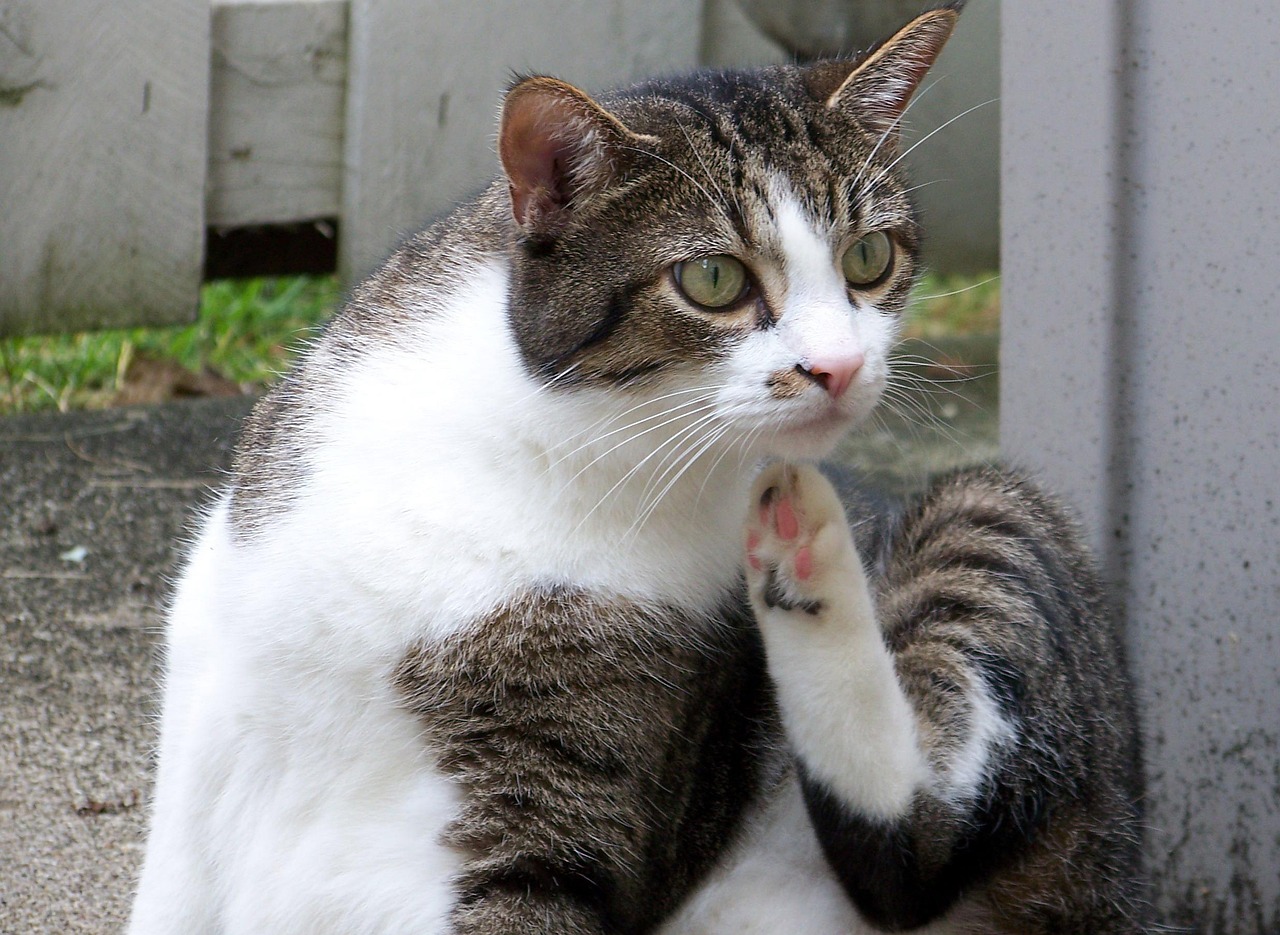

Common Causes of Excessive Scratching in Cats
Excessive scratching on people can be perplexing and frustrating for cat owners. Understanding the common causes can help manage this behavior. Often, it begins as playful behavior, especially in kittens. They might scratch due to their innate hunting instincts, utilizing claws in practice for pouncing and attacking. Additionally, play aggression during interactions with humans can lead to unintentional scrapes. Scratching may also arise from a cat’s desire for attention; they realize that their claws elicit a reaction. When seeking play or affection, they might resort to scratching as a mode of communication. Another aspect to consider is stress. Cats can exhibit excessive scratching when they feel anxious or threatened, whether from environmental changes or unfamiliar visitors. This stress can cause them to act out, causing discomfort for those nearby. Identifying triggers like visitors or new pets can be essential. Owners should shine light on changes that might contribute to aggressive scratching behavior. Regularly engaging with cats through proper play and creating a safe environment can reduce anxiety and mitigate scratching tendencies effectively. Monitoring interactions, while reading their body language, can lead to better understanding.
One significant aspect of excessive scratching behavior lies in the cat’s natural instincts. Cats are natural hunters and scratchers, and rigorous claw maintenance is fundamental for their health. When they scratch, they’re not solely attacking; they’re sharpening and cleaning their claws. Moreover, scratching is a way to mark territory. Cats have scent glands in their paws, and scratching allows them to leave their scent behind. This instinctual behavior can cause misunderstanding during interactions with people. To minimize unwanted scratching, owners should provide alternatives, such as scratching posts, that fulfill this natural urge. Cat trees and vertical scratching surfaces can also be beneficial. By establishing a designated scratching area, owners can guide their pets towards appropriate scratching targets, consequently diminishing the odds of scratches on exposed skin. It’s crucial that the alternatives available are enticing. Using catnip or different textures can stimulate interest, encouraging the cat to divert their scratching. Furthermore, praising them when they use appropriate surfaces can solidify these good habits. Understanding that scratching has underlying reasons will help create a more harmonious home environment for both pets and their humans.
Health Issues Leading to Scratching
At times, excessive scratching can stem from health-related issues rather than behavioral tendencies. Conditions like arthritis or skin allergies may trigger a cat to scratch at themselves, leading to inadvertent scratches on humans. Skin conditions can cause local irritations, leading cats to scratch excessively in an attempt to relieve itching. Common ailments include flea infestations, which can result in allergic reactions, driving cats to scratch relentlessly. Owners might notice their cat excessively licking or grooming areas of irritation, which is indicative of discomfort. It’s vital for pet owners to recognize these signs and consult a veterinarian for a proper evaluation and diagnosis. Diagnosing the issue promptly ensures that the appropriate treatment can eradicate the discomfort. Regular check-ups are essential in monitoring your cat’s skin and overall health. Apart from skin ailments, internal conditions such as hormonal imbalances may also play a role in excessive scratching behavior. Understanding underlying health issues prompts effective care measures that support the cat’s overall well-being while also preserving the peace at home. Treating any potential health problems provides relief, ultimately reducing the instances of unnecessary scratching behavior.
Another critical cause of inappropriate scratching can be related to environmental factors. Cats can react tremendously to changes in their surroundings, which may induce stress responses. For example, moving to a new home can be particularly stressful for them. New smells, sounds, or the presence of unfamiliar animals can trigger anxiety. Increased stress levels can translate into destructive behavior, including scratching at humans, especially if they feel cornered or threatened. Furthermore, disruptions in their daily routine can also provoke behavioral changes. Regular activities, such as feeding schedules or playtime, provide comfort and predictability. Any disruption, such as illness or a change in the owner’s schedule, can lead to increased anxiety. To counter these effects, consistency is key. Maintaining a structured routine and ensuring a stable environment significantly reduce a cat’s stress levels. Providing safe spaces within the household where they can retreat is also worthwhile, allowing them to ease their anxiety when needed. Engaging them interactively through play can redirect their attention, ultimately minimizing scratching. Understanding your cat’s perspective during transitions can help cultivate a calm atmosphere.
Intervention and Management Strategies
Understanding the underlying causes of excessive scratching in cats invites intervention and management strategies tailored to their needs. First, it’s advisable to minimize situations that trigger stress or anxiety. Creating a calm environment with cozy spots allows cats to feel secure. It may also involve setting up clicker training methods aimed at rewarding good behavior versus punishing undesirable actions. This positive reinforcement can effectively teach them suitable alternatives to scratching. Gradually exposing them to minimal stress triggers also allows them to acclimatize without scare or frustration. Owners can make use of pheromone diffusers that mimic calming fragrances, helping to ease their anxiety levels. Regular play sessions are vital to providing physical and mental stimulation, channeling their energy into appropriate activities. Providing varied enrichment opportunities, like toys or puzzles, can engage their attention while detracting from scratching. In case of aggression, medical intervention in coordination with behaviorists may be necessary. Ultimately, the synergy between understanding specific behaviors and implementing nurturing strategies will manifest in improved interactions between cats and their human companions, reducing incidents of scratching behavior effectively.
Another important preventive approach is keeping your cat’s nails trimmed regularly. Frequent trimming diminishes the potential harm inflicted by scratching. Utilizing scratch-resistant clothing or protective gear during playtime can also minimize human exposure during scratching behavior. Implementing appropriate distractions is also useful. Providing a range of toys, including feather wands and laser pointers, can divert energy toward something constructive, reducing scratches during direct interactions. Engaging with your cat using alternative play methods encourages them to express natural hunting instincts without inadvertently hurting others. Additionally, avoiding rough play techniques can help maintain physical boundaries while ensuring enjoyable playtime. Furthermore, collaborating with pets’ behaviorists guarantees effective strategies tailored to the specific demands of your cat’s temperament. Identifying triggers that lead to scratching allows you to work collaboratively to modify the cat’s environment and behavior. An ideal approach involves combining positive reinforcement and controlled interactions while maintaining a gentle hand during any training efforts. Attention to these techniques can reduce excessive scratching incidents, ensuring interactions remain enjoyable while allowing your cat to express itself comfortably.
Conclusion on Managing Excessive Scratching
Ultimately, addressing excessive scratching behavior in cats is about striking a balance between understanding their innate instincts and providing healthy outlets for those behaviors. Implementing consistent strategies while remaining aware of their individual needs can make a noticeable difference in reducing instances of scratching. Engaging with your cat through play and exploration provides not only physical stimulation but also relieves stress and boredom. Essential elements include patience and observation. Assessing your cat’s body language helps identify when they’re overstimulated or anxious about their environment. Moreover, addressing any potential health concerns ensures that your cat remains comfortable in its surroundings. A proactive approach means keeping their living spaces calm. Holistic solutions, such as environmental enrichment, behavioral training, and health management, ultimately lead to a better quality of life. As owners observe positive changes, reinforcing desirable behaviors with praise will further strengthen the bond between themselves and their cats. Note that this journey requires time and commitment to see meaningful results. With dedication, you’ll ensure your pet thrives in a safe, loving, and scratch-free environment, fostering harmony in your home.
Providing a loving and stable environment ensures a cat’s emotional needs are met. Giving them consistent attention, a predictable routine, and appropriate stimulation makes your home a haven for your feline companion. Scratching, in all its forms, will eventually diminish as the unclear behavior becomes clear to both cat and owner. Relying on a combination of nurturing and understanding allows better collective interaction. Tune into your cat’s energies, taking time to engage with them positively. Employing these approaches yields results, creating supportive relationships built on trust, understanding, and mutual respect.