
Early Socialization Techniques for Puppies
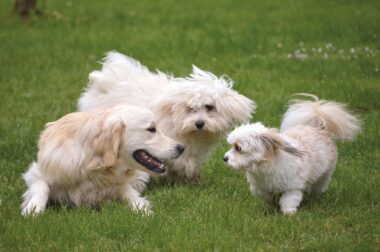
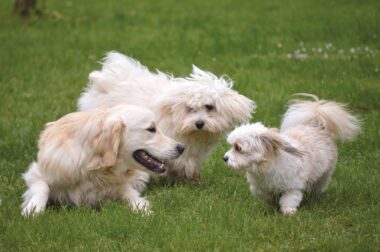
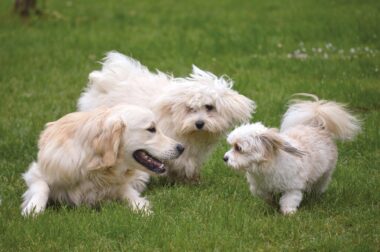
Socialization is crucial for puppies, particularly in their formative months. Early exposure to various environments, sounds, and people helps puppies grow into well-adjusted adult dogs. Different methods can facilitate a positive experience. First, introduce your puppy to different environments such as parks, busy streets, and homes with visitors. This gradual introduction will help minimize fear of unfamiliar places. Second, social gatherings like puppy parties are essential, providing opportunities to interact with other dogs and people, which fosters better communication skills. Lastly, enroll your puppy in obedience classes that encompass socialization training. With proper guidance, your puppy learns to positively respond to commands and cues around distractions. Consistency is vital; routine exposure and reinforcing positive behavior lead to lasting effects. Utilize treats, praises, and toys to reward good behavior during these interactions. Remember, ensuring a positive experience is essential to avoid instilling fear. Supervise all interactions to sidestep negative encounters. Gradually escalate challenges as your puppy gains confidence. Fostering a rich social environment pivots on patience, ensuring your puppy can thrive in diverse social settings as they grow.
In addition to structured socialization events, everyday experiences serve as excellent opportunities for socialization. Daily walks are prime for exposing your puppy to new stimuli, including people, pets, and various environments. Each walk introduces different smells, noises, and sights, essential for their development. While on walks, allow your puppy to meet other dogs, but ensure they are calm before introductions. Invite friends over or visit their homes to expose your puppy to different atmospheres and people. This adds to their social repertoire. When at home, invite over well-mannered friends’ dogs. Supervised playtime instills important lessons in behavior and communication. Practicing leash manners and commands during these outings promotes good behavior and reinforces training. Gradually introduce more challenging situations, like crowded areas or loud places, helping your puppy adapt to stimuli they may encounter in their lives. Monitor their reactions and remain supportive. Moreover, age-appropriate toys can help facilitate play and interaction. By combining structured environments with casual experiences, owners create a balanced, enriching socialization plan. This comprehensive exposure ultimately results in a confident, friendly dog.
Utilizing Positive Reinforcement
Positive reinforcement is an effective method for encouraging desired behavior during socialization. Reward your puppy with treats, praise, or play when they interact positively with others or explore new environments. The key is to make social experiences associated with good feelings and rewards. Initially, it might be beneficial to use higher-value treats to encourage engagement with unfamiliar situations. This eagerness creates a lasting positive association. Keeping training sessions upbeat and brief helps maintain your puppy’s interest while avoiding overwhelming them. As your puppy becomes more confident, vary the rewards; sometimes, use verbal praise instead of treats. The aim is to create a scenario where your puppy consistently looks to you for guidance. When they successfully navigate a new experience, make sure to offer enthusiastic rewards, reinforcing the behavior of confidently engaging with their environment. Additionally, consider socializing at different times of day to expose your puppy to various types of people and situations. Understanding the need for additional socialization helps you provide ample opportunities to encounter and adapt to differing experiences. Thus, your puppy learns effectively through a positive reinforcement model, paving their way towards balanced behavior.
Continued socialization throughout your dog’s life is just as important as early experiences. Even after the critical socialization window closes, ongoing exposure to various situations fosters continued growth. Dedicate time to social outings throughout the dog’s life; variety remains vital. Maintaining social interactions helps your dog remain adaptable and well-mannered. Regular outings to pet parks, dog-friendly stores, and community events contribute to positive experiences. Always supervise interactions with other dogs, focusing on enhancing your dog’s confidence and ensuring they continue to socialize effectively. Even adult dogs can benefit from meeting new friends. Keep in mind that some interactions might not be as successful as others, but this is a learning opportunity. Monitor your dog’s behavior and provide consolation when necessary, rewarding positive reactions toward unfamiliar situations. Additionally, enroll your dog in advanced training classes to advance their comfort with new people and dogs. Like puppies, adult dogs can also benefit significantly from group training sessions, strengthening their social skills. A lifetime commitment to socialization ensures your dog remains adjusted, friendly, and adaptable in different scenarios, ultimately benefiting both of you in the long run.
Creating a Balanced Socialization Schedule
Creating a balanced socialization schedule requires understanding your puppy’s developmental stages. Pups experience different sensitivities during various growth phases. The first few months are critical for exposure to environments, sights, and sounds. Thus, plan a structured timetable that includes various experiences aligning with their critical learning periods. Incorporate a variety of social scenarios throughout the week. For instance, designate days for interacting with peers, while others focus on new environments. This proactive approach ensures your puppy does not become overwhelmed. Aim for short bursts of exposure, followed by periods of downtime to help minimize stress. Furthermore, remember that socialization isn’t limited to dog-centric activities; engage your puppy in different environments, such as shopping districts, parks, or outdoor events, to broaden their experiences. Continual adjustments to your schedule based on your dog’s reactions play an essential role in ensuring comfort. Consistently revisit challenging situations while modifying activities as required for proper acclimatization. Balance is vital, combining interaction, exploration, and rest for a stimulating, fulfilling experience. Having a thoughtful socialization plan fosters growth, confidence, and sociability for your furry companion.
As you engage in socialization techniques, be patient and observant. Every puppy learns at their own pace, and what works for one may not work for another. Monitor their body language and behavior at all times, as this can indicate feelings of stress, fear, or confusion. Communicating effectively with your puppy is key when navigating new experiences, as remaining calm reassures them that they are safe. Never force them into uncomfortable situations, as this may lead to negative associations and hinder future socialization efforts. Provide regular breaks during interactions, allowing your puppy to retreat if they feel overwhelmed. This can also help them recharge before continuing with socialization. Additionally, understanding that each dog has its temperament is critical; some may be more naturally social than others. Identify their comfort zones and gradually push the limits as their confidence grows. Acknowledge and respect their individuality. Consistently reinforcing good behavior and setting achievable goals will also help your puppy succeed. Ultimately, fostering a positive socialization experience sets the foundation for a well-adjusted, sociable dog.
Common Mistakes to Avoid
While striving for optimal socialization, it’s important to avoid common pitfalls that can hinder your puppy’s progress. One significant mistake is overexposing your puppy to new experiences. Diving into too many new situations at once can overwhelm your puppy, leading to potential stress or fear responses. Gradually increase exposure while providing the necessary encouragement and rewards to maintain a positive experience. Another error is neglecting to socialize with a variety of people and environments. Variety is vital; solely focusing on familiar situations may hinder behavioral development. Ensure your puppy meets different people who exhibit varying behaviors to promote adaptability. Additionally, failing to recognize signs of stress can derail your efforts. Always be observant of your puppy’s body language, stepping in when necessary to alter or remove them from uncomfortable situations. Lastly, overlooking the importance of continuous socialization leads to stagnation in your puppy’s growth. Maintaining a consistent and diverse schedule encourages an open and engaging attitude towards new experiences. Keep in mind that socialization is an ongoing journey. By avoiding these common mistakes, you’ll be steadily guiding your pup toward becoming a happy and well-adjusted adult dog.
In conclusion, early socialization techniques are essential elements in the development of a well-adjusted puppy. When owners actively engage in providing opportunities for their puppies to interact in various environments, it sets the stage for a confident dog. Always remember the crucial role that positive reinforcement plays, turning potentially tense experiences into enjoyable interactions. Be mindful of your puppy’s individual pace, adjusting exposure levels according to their comfort. Employing strategies like regular outings, varying environments, and structured training, further enhances social skills. Moreover, ongoing socialization throughout their lives ensures adaptability and comfortable engagement in diverse situations. This lifelong commitment propels your dog toward becoming a sociable companion, capable of thriving in human-dominated surroundings. Support your puppy by monitoring behaviors, proactively addressing any stress or fear. Furthermore, understanding your pup’s personality allows you to tailor experiences that encourage growth while preventing setbacks. Ultimately, the dedication owners put into proper socialization techniques instills confidence in their furry companions, creating a harmonious relationship between dogs and their families. Commit to these approaches for lasting benefits, unlocking your puppy’s potential to flourish in various social settings.