
Mastering Artificial Lighting Techniques for Stunning Dog Photography
When capturing stunning dog photographs, mastering artificial lighting is crucial. Whether you’re a professional photographer or a passionate pet owner, understanding how to utilize artificial light can significantly enhance your images. Various types of artificial lights, such as softboxes, speedlights, and LED panels, can wholly transform the quality of your photos. Using these tools allows you to create dynamic backgrounds and highlights that emphasize your dog’s personality.
Planning your lighting setup before the shoot is also essential. Consider positioning your artificial light source at different angles to create a visually interesting effect. For example, try placing the light source slightly above and in front of your dog, which can enhance the texture of the fur and cast beautiful shadows. Additionally, using reflectors can bounce light back onto your dog, reducing harsh shadows and evenly illuminating the subject. Experimenting with these techniques can yield impressive results, resulting in more captivating dog portraits.
The color temperature of your artificial lights matters, too. Most flash and studio lights emit a daylight-balanced color temperature, but you can also experiment with warmer or cooler lights to evoke different moods. Warmer lights can create a cozy, inviting atmosphere, while cool lights may highlight your dog’s energetic personality. Utilizing gels can effectively modify the color of your light sources, letting you create a unique color palette for your photography. Always remember that the right color temperature can impact the overall feel of the image.
Utilizing Different Lighting Styles
In dog photography, various lighting styles can dramatically alter the vibe of your images. For example, using hard light can create stark shadows and highlights, which may be perfect for showcasing the details and textures in your dog’s coat. This style often works well in black-and-white photography, emphasizing the shapes and forms. On the other hand, soft light provides a gentle glow that can flatter your subject and create a more inviting feel. Soft boxes and diffusers can help achieve this effect, enhancing your dog’s features.
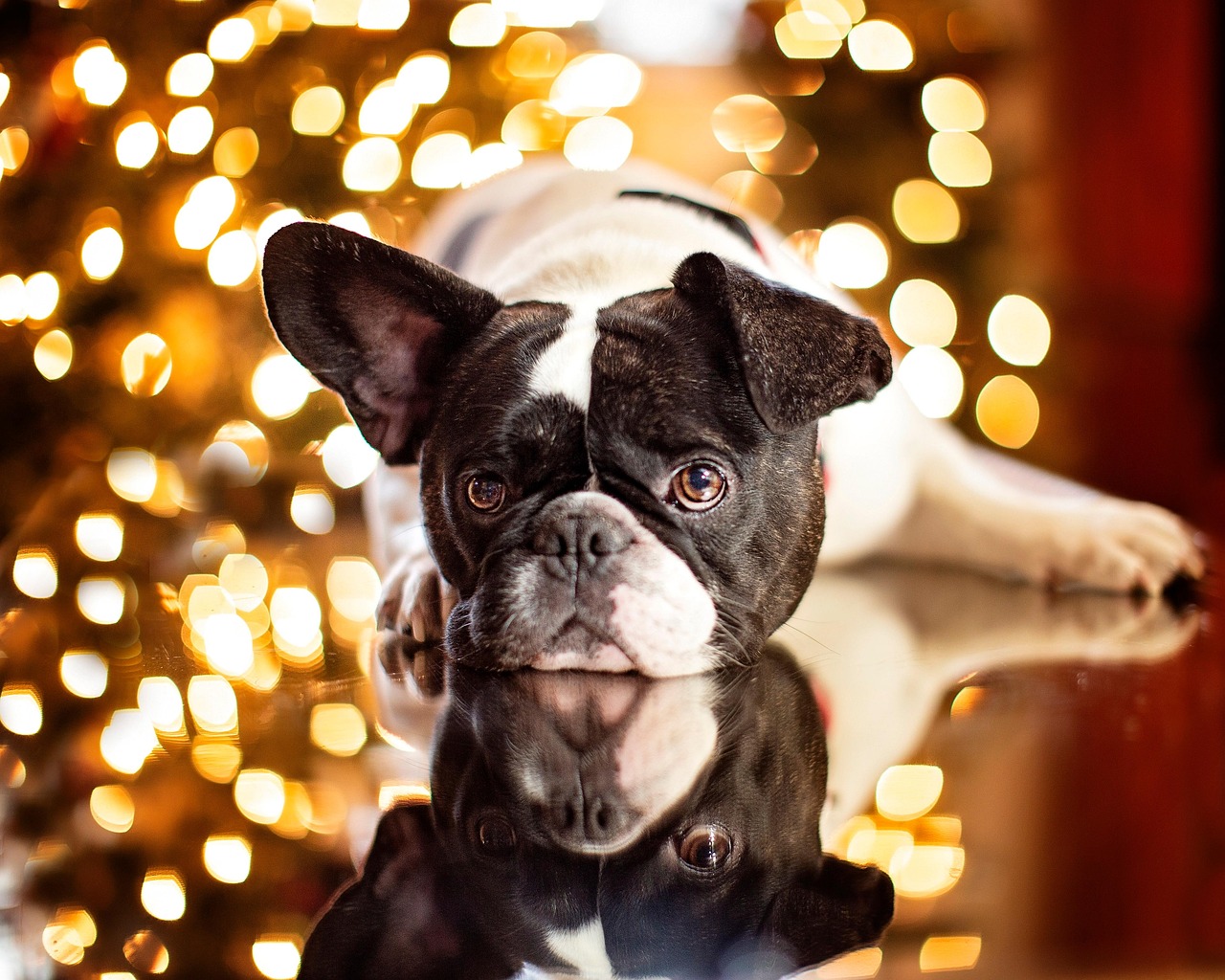
Additionally, backlighting is a creative technique that can add depth and interest to your dog photographs. By positioning your artificial light source behind your subject, you can create a stunning halo effect around your dog, highlighting its silhouette. This technique works exceptionally well during sunrise or sunset and creates a dramatic atmosphere. Make sure to pay attention to your composition to keep your subject as the focal point despite the backlighting, ensuring that its beautiful characteristics are not lost in brilliant light.
Another essential technique to consider is the use of multiple light sources. Using a combination of key light, fill light, and backlight can create a well-rounded lighting setup that highlights every aspect of your dog’s personality. For instance, the key light serves as the main illumination source, while fill light softens shadows without overpowering the subject. Backlight can further enhance the image by providing a glow effect around your dog. Experimenting with different configurations will lead to unique results, enriching your overall dog photography portfolio.
Post-Processing Techniques
Once the photoshoot is complete, the work doesn’t stop there. Post-processing is a vital part of dog photography, especially when using artificial light. Utilizing software like Adobe Lightroom or Photoshop can enhance your images, allowing you to adjust exposure, contrast, and color balance. Correcting any unnatural color casts arising from artificial lighting is crucial for achieving a polished look. Fine-tuning the sharpness and clarity is also necessary to emphasize the details in your dogs’ fur and eyes, ensuring those captivating expressions shine through.
Furthermore, don’t forget to consider cropping and composition adjustments in your editing process. Eliminating distractions from the background can help your dog stand out as the primary focus. Utilize presets or develop your editing style to create a cohesive look throughout your series, showcasing your artistic signature. Ultimately, blending effective artificial lighting with professional post-processing will elevate your dog photography, leaving a lasting impression on anyone who views your work.