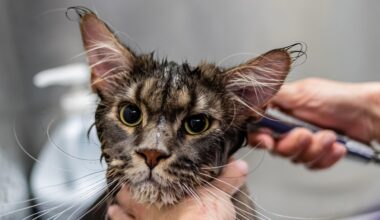

The Importance of Microchipping Before Transporting Rescued Cats
Transporting rescued cats is a significant undertaking, and ensuring their safety is paramount. One of the best methods to secure their identification and enhance their safety during transit is through microchipping. Microchips are small devices embedded under the skin of cats, and they carry essential information about the pet and its owner. These chips serve as a reliable identification method in case cats get lost or are separated from their rescuers. Various animal welfare organizations advocate for microchipping rescued cats before any transport. They also conduct free or low-cost microchip clinics specifically aimed at fostering the safety of rescued pets. When adopting or transferring ownership of rescued cats, having them microchipped is a critical step to take. In case of an emergency, such as a cat escaping during transport, the information in the microchip can provide a safe return home. Additionally, microchipping acts as a deterrent against theft and abuse. In sum, microchipping is an essential aspect of ensuring that rescued cats are not only safe but also protected throughout their journey.
Why Microchipping is Crucial
Microchipping is crucial for various reasons that enhance the welfare of rescued cats. When cats are taken in by shelters or rescue organizations, there is often a significant chance of them being relocated or adopted multiple times. In such cases, it becomes vital to maintain accurate records for future reference. Microchips provide a permanent identification method that is much more reliable than collars or tags, which can fall off or be removed. Furthermore, microchipped cats have a higher chance of being reunited with their owners if lost. Data indicates that shelters and veterinarians have greater success rates in returning microchipped animals to their rightful owners than those without microchips. Moreover, microchipping can help support the overall health of rescued cats. If a cat is microchipped and becomes ill during transport, veterinary professionals can quickly access its medical history. This access to medical records can aid significantly in delivering appropriate care. Thus, microchipping not only safeguards against loss but also contributes to the overall health management of the cat during transport.
Transporting rescued cats can be stressful for both the cats and their handlers. The process often involves travel in carriers, which might be foreign and frightening for the animals. Microchipping alleviates some of this anxiety by ensuring rescuers have peace of mind regarding identification. It guarantees that if a cat escapes or goes missing during transport, it has a higher chance of being found due to its chip. Rescuers and volunteers often face challenging circumstances while transporting cats, particularly if they are unfamiliar with the area or conditions arise unexpectedly. Situations like vehicle breakdowns or accidents can occur, making it even more crucial that the cats involved can be identified swiftly. Additionally, microchipping allows transport organizers to have accurate records of all the cats in their care. This documentation is especially vital when coordinating multiple rescues and adoptions. Maintaining records also aids in understanding patterns related to lost pets, thereby improving rescue efforts. The ability to locate lost cats quickly not only saves time and effort but can also lead to positive outcomes for the animals involved.
Legal Perspective on Microchipping
From a legal standpoint, microchipping pets can provide essential proof of ownership and may even play a role in preventing pet theft. Many jurisdictions have regulations that require microchipping for adopted animals, particularly those that come from shelters or rescue organizations. This means that microchipping is not only beneficial for identification but may also be a legal requirement in certain areas. Knowing these laws can help rescuers adhere to local regulations and ensure their rescues are compliant. Furthermore, having a microchip can protect the rescuer or new owner against any future disputes regarding ownership. If a former owner were to claim a cat once again, a microchip can provide clear evidence of who the legitimate owner is. In instances where a cat has been abandoned or lost, microchipping helps document changes in ownership. This documentation is vital for both shelter and transport organizations, assisting them in establishing a permanent log of the cats in their system. By promoting adherence to microchipping laws, all involved parties can elevate the standards of care for rescued cats.
The process of microchipping a cat is straightforward, often taking just a few minutes. Initially, a veterinarian will insert the microchip under the skin, typically between the shoulder blades. This procedure is minimally invasive and generally does not require anesthesia; thus, the stress associated with transportation can be reduced. It is essential for rescuers to understand the importance of finding a reputable veterinarian for this procedure. Once a cat is microchipped, the owner’s information must be registered with the microchip company. This registration process ensures that authorities can access the pet’s data should it become lost or separated. Moreover, it’s crucial for the rescuer or new adopter to keep this information up to date, especially after relocations or changes in contact details. Regular check-ups to ensure the microchip is functioning correctly is also a recommended practice. In addition, rescues and shelters should keep comprehensive records of all microchips assigned to their rescued cats. This effort can ensure nothing slips through the cracks, promoting thorough management of the cat’s health and identity during transport.
Benefits of Microchipping Beyond Transport
Microchipping offers numerous benefits beyond the basic need for safe transport. While identification during transit is vital, it is essential to emphasize the long-term advantages of microchipping for rescued cats. Cats that are regularly microchipped often enjoy a better chance of being reunited with their owners if lost. This fact helps in promoting responsible pet ownership. Additionally, microchipping can significantly reduce the number of stray cats in communities. When a microchipped cat is found, shelters can easily access ownership information, leading to fewer animals being placed in the system unnecessarily. Beyond identification, many microchip companies also offer services that aid in finding lost pets. Such services can include alerts or notifications when a lost chip has been scanned, further helping connect pets with their owners. Furthermore, microchipping demonstrates a commitment to animal welfare and responsible pet ownership. Whether you are a rescue organization or an individual cat owner, taking the step to microchip not only protects your pet but also contributes to a larger community effort towards the safe management of cats in general.
Ultimately, microchipping before transporting rescued cats is a proactive approach that validates the commitment of rescuers to safeguard the animals in their care. With the varying challenges that can arise during transport, taking this simple step significantly enhances the chances of keeping these vulnerable beings safe. Microchipping serves as a vital tool in managing the welfare of rescued cats, ensuring they can be properly identified, reunited with their owners, and tracked throughout their journey. It symbolizes a responsibility towards not just individual pets but the overall improvement of animal welfare. The benefits derived from microchipping transcend physical transport, influencing overall community practices related to pet ownership and lost animal recovery. Rescuers are encouraged to integrate microchipping into their protocols as a standard practice, fostering an atmosphere of safety and care within the community. Furthermore, spreading awareness about the significance of microchipping can encourage more owners to adopt this practice. By acknowledging the importance of microchipping, society can work together towards creating a more vigilant environment where cats remain safe and protected during their transitions, ultimately enhancing their quality of life.
Conclusion on Microchipping
In conclusion, microchipping cats before transporting them as rescues is an indispensable practice that has lasting impacts on their welfare. Microchips provide assurance regarding identification during transit, helping to reunite lost pets with their owners. Moreover, these small devices provide significant value in terms of medical history, effective documentation, and legal protection. As rescue organizations and individuals alike invest in the welfare of cats, they must understand that microchipping is a small step that yields immense benefits in numerous areas. With the responsibility of transporting rescued cats comes the obligation to employ the best practices that enhance their health and safety. The act of microchipping acknowledges the essential role that identification plays in keeping cats secure throughout their journey. As this practice becomes more widely accepted and integrated into standard procedures, we can anticipate a future where lost cats find their way home swiftly, reducing the stress and heartache for both cats and their rescuers alike. Thus, ensuring that all rescued cats are microchipped must remain a priority as we strive for their safety, comfort, and secure integration into loving homes.