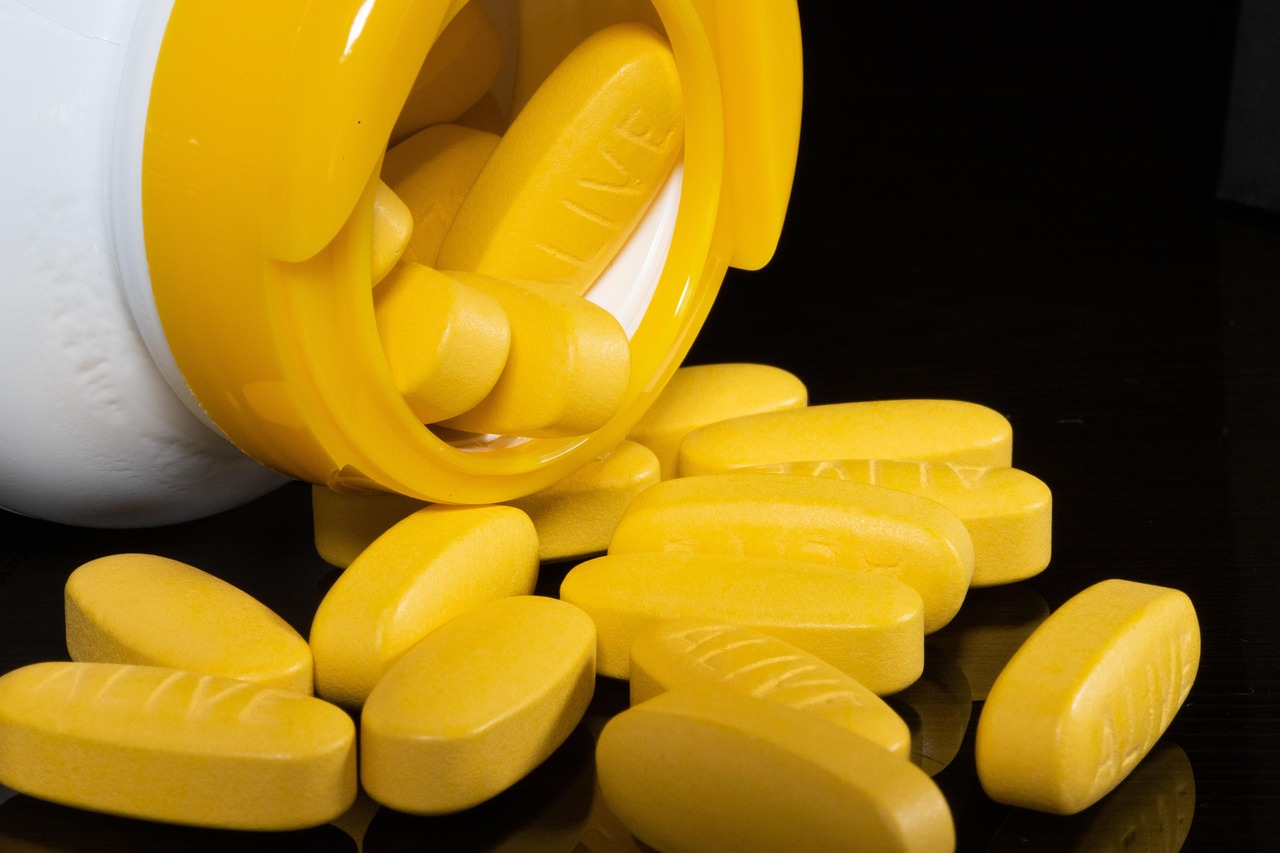

The Science Behind Vitamin D Absorption in Cats
Vitamin D plays a crucial role in the overall health of cats, influencing various bodily functions. Unlike humans, cats primarily obtain vitamin D through their diet. They require adequate sunlight exposure for synthesis; however, due to indoor living conditions, supplementation becomes essential. Cats lack the enzymatic capability to convert vitamin D in their skin efficiently. Dietary sources such as fatty fish or fortified cat food provide this nutrient effectively. Further, the fat content in a cat’s diet affects absorption rates significantly. The presence of dietary fats enhances the bioavailability of vitamin D, allowing better absorption in the intestines. Poor absorption can lead to deficiencies affecting bone and immune health. This makes it vital to understand which diets promote optimal vitamin D levels. Moreover, certain breeds may require specific dietary adjustments to meet their vitamin D needs. Regular veterinary check-ups can help monitor these levels and adjust diets accordingly. Ensuring your cat receives all necessary vitamins through proper meals is a priority for responsible pet owners, ensuring long-lasting health and vitality.
Vitamin D deficiency can have serious consequences for feline health. Symptoms may include lethargy, muscle weakness, or bone deformities. It is crucial to recognize these signs early and amend the diet appropriately. Particular attention should be paid to kittens and senior cats, as they are more susceptible to absorption issues. A diet lacking in vitamin D can lead to metabolic bone disease, which significantly impacts cats’ quality of life. Therefore, it’s essential for pet owners to include sources of natural vitamin D in their cats’ diets proactively. Supplements can also play a part, but only under veterinary guidance. Too much vitamin D can lead to toxicity, resulting in further complications such as kidney damage. Thus, balanced nutrition is key. Integrating sufficient vitamin D may require consulting with a veterinarian who understands feline nutrition. They can suggest the best course of action for your specific cat. Furthermore, keeping your cat’s diet fresh and varied can prevent the risks associated with feeding them the same food consistently. Regular dietary adjustments can ensure that there are no deficiencies in crucial vitamins and minerals.
Understanding the Role of Vitamin D Metabolism
The metabolism of vitamin D in cats includes several intricate steps. After ingestion, the liver converts vitamin D to its active form, calcidiol, before further conversion into calcitriol in the kidneys. This active form is responsible for calcium and phosphorus homeostasis, essential for strong bones and overall function. An imbalance in this process can lead to skeletal diseases and other health issues often associated with renal problems, warranting careful monitoring. Calcium absorption, influenced by vitamin D levels, is critical as well. A supple calcium supply ensures that bones remain strong and protects against fractures. Thus, achieving balance is essential for the effective metabolism of vitamin D. Additionally, understanding the variance in vitamin D metabolism among individual cats can tailor their diets further. Some cats may not respond adequately to common dietary sources, highlighting the need for personalized nutrition approaches. Monitoring a cat’s response to dietary changes over time ensures their needs are met effectively. Utilizing high-quality ingredients rich in essential vitamins can keep your feline companions happy and healthy. Keeping notes on feeding habits may provide insights into successful dietary formulations.
Supplementation of vitamin D should be cautiously approached, as improper dosage can lead to toxicity. Commercial cat food often meets the required standards, making supplementation unnecessary in many cases. However, certain conditions, such as gastrointestinal diseases, may inhibit absorption, increasing the risk of deficiencies. It’s prudent to review items purchased for the cat’s diet, ensuring they contain adequate vitamin D levels. Furthermore, analyzing labels enables owners to make informed choices in their cat’s nutritional plans. Be prepared to adapt the diet if required, as each cat’s needs may differ slightly due to size, breed, or health conditions. An emerging trend is using whole food supplements derived from sources like fish oils, which not only contain vitamin D but also provide omega fatty acids crucial for a healthy coat. Proper integration of these supplements into your pet’s diet can prevent gastrointestinal upset. For those residing in areas with limited sunlight, additional measures may be warranted. Ensuring a balanced approach towards vitamin D intake ultimately contributes to a thriving, energetic lifestyle for your feline friend.
Innovative Sources of Vitamin D
Exploring innovative sources of vitamin D may significantly enhance a cat’s diet. Various nutritionists advocate the introduction of nutraceuticals enriched with vitamins tailored specifically for feline biology. These products harness beneficial properties from natural sources to provide higher absorption rates than traditional methods. Fatty fish, liver oils, and certain fortified cat foods offer excellent bioavailability of vitamin D. It’s essential to ensure these nutrients are sourced responsibly to align with overall pet diet sustainability. New alternative sources are being researched continuously, such as algae oil, which are becoming popular in the pet food industry. Algae-based sources not only provide vitamin D but are also often more sustainable than fish, aligning with modern dietary preferences. Consulting with a pet nutritionist can help in selecting quality supplements that adhere to specific dietary needs. Innovations in the pet food industry promise a brighter future for cat nutrition as they expand options available to pet owners. Encouraging diverse dietary options leads to healthy, well-balanced cats equipped to thrive through every season of their life.
Feeding practices that incorporate varied sources of vitamin D promote optimal health. Cats thrive on diets that include a range of nutrients, including vitamins A, E, and D. However, the balance between competing nutrients is vital for absorption efficiency. Proper evaluation of dietary intake should include assessment of omega fatty acids, protein sources, and important minerals. Pet owners are encouraged to learn nutritional needs specific to their cats’ lifestyles. Active cats may require different balances than less active family members. Focused assessments can help adjust feeding plans accordingly, ensuring all nutrient needs are effectively balanced. Keeping a food diary can facilitate this process, aiding in understanding changes in behavior, energy levels, and health. Regular check-ups with veterinarians help in refining these assessment methods effectively. As science advances, more information emerges regarding supplementation and nutrient bioavailability, leading to better feeding strategies. Collaborating with professionals helps owners fine-tune their pets’ diets, ensuring maximum health outcomes and wellness. Optimal nutrition paves the way for a long and satisfying relationship between cats and their owners, fueled by health and vitality.
Final Thoughts on Cat Nutrition
In conclusion, ensuring cats receive adequate vitamin D is paramount to their overall well-being. With the increasing understanding of feline nutrition, owners can curate diets that meet their cats’ unique needs. Veterinarians are valuable resources in navigating the best dietary approaches that adhere to your cat’s individual requirements. With fruits and vegetables slowly being adapted as part of feline diets, ensuring a balance between traditional and innovative sources of nutrition becomes crucial. Additionally, raising awareness about vitamin D’s essential role leads to better choices in feeding practices. Explore various high-quality foods and supplements tailored for cats, ensuring long-term health benefits. Remember that every cat has its attributes, and understanding these helps craft personalized nutrition strategies. The benefits of an example of nutritional insight can spark a revolution in how pet owners approach their beloved companions’ diets, integrating science to achieve health results. Ultimately, fostering healthy dietary practices leads to an enriched life, filled with happiness and trust between cats and their companions.
Engaging in better feeding practices can provide insight into managing a cat’s nutritional needs more effectively. As dietary sources evolve, continued education on these subjects has never been more critical. Keep abreast of dietary guidelines as research reveals new findings in feline health and nutrition. By prioritizing education and actively participating in selecting suitable food alternatives, you can dramatically enhance your cat’s health and prosperity. This includes being informed about supplements and understanding how these elements interact with existing dietary choices. Utilizing both traditional and innovative ingredients fosters optimal absorption rates of vitamins and nutrients, setting up your cat for a successful and healthy lifestyle. Regular adjustments to their diet will keep their overall standards high, and they can thrive in every season of their lives. Ensuring vitamin D levels remain sufficient through practical measures promotes an overall state of well-being. Establishing a regime of monitoring health indicators helps in recognizing changes that might occur. In turn, this creates a robust relationship where both cat and owner thrive together. Since nutrition plays a vital role in longevity, maintaining a well-rounded and carefully crafted diet is an effective method in promoting prolonged healthy living.