
Why Parasite Control is Essential for Your Dog’s Health
Ensuring your dog remains healthy is paramount for any pet owner. One of the key components in maintaining your dog’s health involves effective parasite control. Parasites can come in many forms, including intestinal worms, fleas, ticks, and more. All these parasites can adversely affect your dog’s well-being, leading to severe issues over time. In particular, they can cause malnutrition, skin problems, and a host of other health concerns. Regular parasite prevention keeps your dog safe from these threats. The consequences of neglecting this aspect of pet care can be dire. A simple flea infestation can lead to discomfort, while untreated worms can result in painful conditions. Therefore, proactive management is vital to safeguard against infestations. Another element of effective parasite control includes vaccinations that can prevent diseases transmitted by these pests. As an owner, you must stay informed about the risks parasite activities pose. Consulting your veterinarian for a tailored parasite control program should be one of the first steps you take in protecting your furry friend. Engage in responsible pet ownership by integrating these preventative measures into your dog’s regular health regime. Pet health is worth the investment.
Understanding the benefits of parasite control can significantly enhance your dog’s quality of life. One of the main advantages is the prevention of severe infections caused by parasites. Intestinal worms, like roundworms and hookworms, can lead to life-threatening issues, particularly in puppies. Fleas and ticks bring along risks of serious ailments like Lyme disease. These parasites not only affect your dog but can also impact human members of your household. By implementing regular parasite control measures, you create a healthier environment for everyone involved. Moreover, maintaining good hygiene practices plays an essential role in this process, enabling you to minimize the risks associated with parasite infestations. Cleaning your dog’s bedding, grooming them regularly, and keeping your home free of potential parasite habitats goes a long way. Additionally, nutrition plays a crucial part in building your dog’s immune system, helping them fend off infections. Regular veterinary checkups will ensure that your dog is receiving the appropriate parasite control treatments and any necessary vaccinations. This proactive approach offers peace of mind, knowing you’ve actively supported your dog’s overall health and wellness, contributing to their longevity and quality of life.
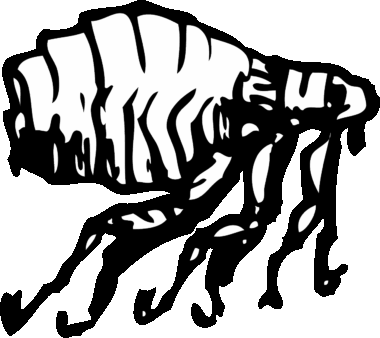
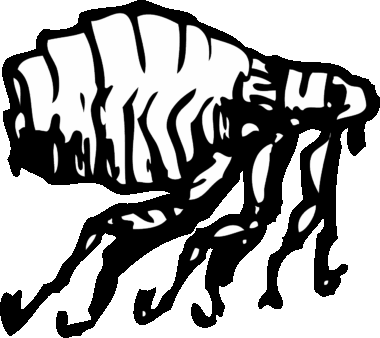
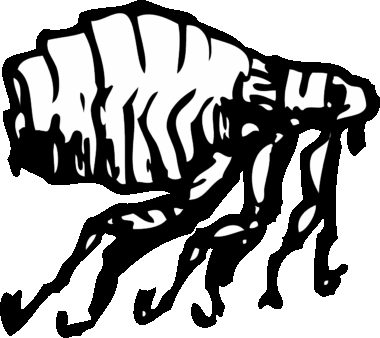
Every responsible dog owner should be aware that there are various types of parasites to protect against. Fleas and ticks are probably the most notorious, often causing both discomfort and serious health issues. Fleas not only cause itching but can also transmit tapeworms, while ticks are infamous for carrying diseases such as Rocky Mountain Spotted Fever. Intestinal parasites like roundworms and giardia pose internal threats that can lead to weight loss and other complications. To effectively control these parasites, it is crucial to understand their life cycles and risk factors. Some parasites may be more prevalent in certain seasons or geographical areas, so staying informed enables better prevention. Furthermore, knowing the signs of an infestation—such as itching, lethargy, or changes in appetite—will allow for quicker identification and treatment. Regular use of preventive medications is vital for successful parasite control, whether it’s topical treatments, oral medications, or veterinary-administered injections. Adopting a proactive approach towards parasite management not only benefits your pet but also promotes a healthy home environment for your family. Commitment to these preventive measures will yield significant rewards, safeguarding your dog’s happiness and health.
Incorporating parasite control into your dog’s regular routine is vital, especially if they spend time outdoors. Various outdoor environments expose your dog to a greater risk of encountering parasites. Fields, forests, and even your backyard could be breeding grounds for ticks and fleas. Always check your dog after outings for signs of these pests, and consider using preventative products recommended by your veterinarian. It’s also essential to maintain a clean living space, as environments heavily trafficked by pets can harbor parasites. Regular cleaning of your dog’s bedding and toys helps eliminate any potential threats. Special attention should be given to areas where pets rest and play. Utilizing flea and tick collars is another effective method, providing ongoing protection. However, it’s crucial to choose high-quality products that suit your dog’s specific needs and sensitivities. Discussing options with your veterinarian can guide you to the right preventive measures tailored to your dog’s lifestyle. Keeping a strict parasite prevention schedule will minimize the risk of infestations, ensuring your dog remains comfortable, healthy, and free to enjoy life without the nuisance of parasites interfering.
An essential aspect of effective parasite control is consistency. Establishing a routine schedule for administering preventive treatments enables you to manage any potential threats efficiently. Depending on the type of parasite, the recommended treatment schedule may vary. For instance, flea and tick prevention is often required monthly, while intestinal parasite testing may be conducted less frequently, perhaps biannually or annually. Continuous monitoring of your dog’s health for any changes or symptoms of parasitic infection is equally important. This proactive behavior allows for prompt action if issues arise. Keeping a diary or log of treatments and any corresponding observations about your dog’s well-being could also prove helpful. This documentation can assist you in discussing with your veterinarian any concerns that may come up. An effective communication channel with your vet fosters a better partnership in ensuring your dog’s health. Acting quickly at the first sign of problems is vital in minimizing risks to your dog’s health and happiness. Combined with regular check-ups, staying up-to-date on treatments is fundamental in ensuring your dog enjoys a parasite-free lifestyle.
Educating yourself about the different types of treatments available for parasite control can empower you as a pet owner. There’s a variety of products on the market, including topical solutions, oral medications, and collars, each with its own benefits and drawbacks. Topical treatments often provide quicker action against fleas and ticks, while oral medications can offer prolonged protection. Consulting with your veterinarian about which products fit your dog’s lifestyle can make all the difference. Each dog has unique needs, and tailored solutions are often more effective. Additionally, it’s critical to monitor your dog’s reaction to any new treatments. Adverse side effects can occur, and being alert can help you catch any concerning issues sooner. The goal of these products is to create a safe, parasite-free environment that promotes the health and happiness of your dog. Furthermore, remember that not all products are created equal, and choosing those with proven efficacy and safety profiles is advisable. Regular reviews of the latest treatments and technologies in parasite control can keep your dog ahead of potential problems, allowing them to lead a vibrant life free of parasites.
Lastly, maintaining a holistic view towards parasite control significantly benefits your dog’s overall health. Integrating a balanced diet, regular exercise, appropriate grooming, and socialization helps build a strong immune system. A healthy dog is less susceptible to health issues and better equipped to fight off parasites if exposed. Investing in quality dog food rich in nutrients will lay the foundation for a resilient immune system, while regular exercise helps keep your dog physically fit and mentally stimulated. Keep in mind that mental health is just as important as physical well-being, as a happy and fulfilled dog is better positioned to tackle health challenges, including those posed by parasites. Alongside these practices, ensuring your dog engages in regular socialization can also have positive effects on their overall temperament and physical health. They are less likely to experience stress and anxiety, contributing overall to a holistic caregiving routine. Pet ownership is a rewarding journey but comes with responsibilities that include ensuring the health and well-being of your dog. By taking proactive measures against parasite infestations, you are allowing your dog to lead a happier, more fulfilling life, ultimately resulting in a stronger bond between you and your pet.
By investing your time in parasite control, you have the potential to drastically enhance your dog’s overall wellbeing and longevity. Measuring your dog’s health goes beyond just regular vet visits; it includes consistent preventive care against parasites that threaten their health and happiness. Any dog owner can tell you the joy of having a happy, healthy canine companion. In addition, understanding the various types of parasites will inform better preventive measures, making it easier to choose the right treatments for your dog’s specific circumstances. With proper awareness, you can quickly address any potential issues before they escalate, ultimately ensuring your dog leads a happy and healthy life. Thus, seeking advice from a veterinarian not only assists with product choices but also nurtures a knowledge base that empowers you to make informed decisions about your dog’s health throughout their lifetime. The time taken to prioritize parasite control becomes an investment in the long-term health of your beloved pet. After all, it is essential to remember that a dog’s health is an integral part of your family’s well-being, bridging the bond between pets and their owners, creating a lasting connection that deserves attention and care.