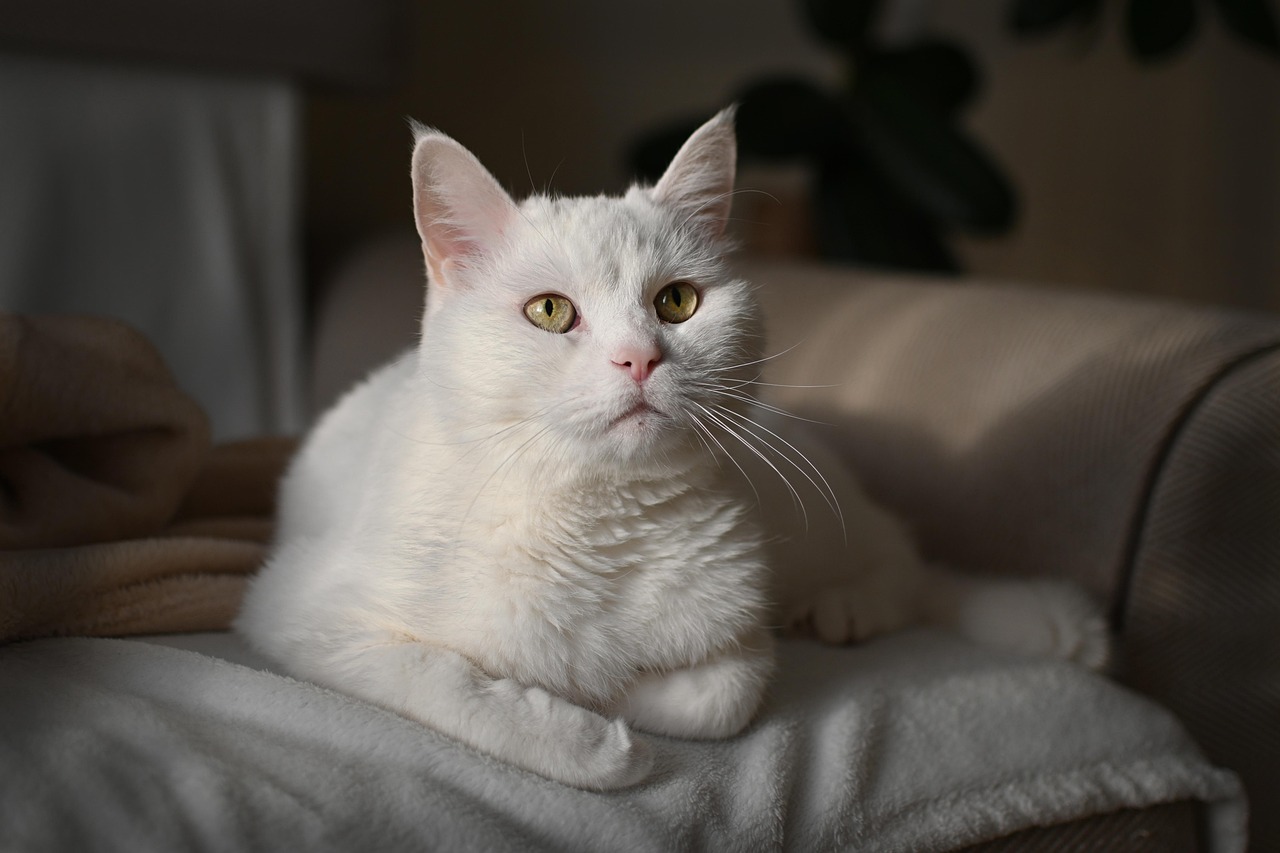

Common Challenges When Teaching Commands to Indoor Cats
Training indoor cats can be rewarding yet challenging. One significant challenge is the cat’s inherent independence. Unlike dogs, cats often prioritize their preferences over human commands. This behavior can lead to frustration when trying to teach them new commands. The primary motivation for training should be the cat’s interest in the activity as well, which can differ from dog training methods. Additionally, creating a training environment that suits cats’ needs is crucial. Distractions and stressors in the home can make learning difficult for your feline friend. Establishing a quiet space can help mitigate these issues. To stimulate their desire to learn, consider using clicker training techniques. Employing treats and praise can further create positive associations. If your cat shows reluctance, it might help to simplify the command for better understanding. Starting with simpler commands, such as ‘sit’ or ‘high five,’ can build their confidence. Patience is paramount in this process. Ultimately, understanding a cat’s unique traits is vital for successful training. This knowledge helps create a stronger bond between the owner and the cat while encouraging better communication throughout their training journey.
Another challenge in teaching commands to indoor cats is their short attention span. Cats typically focus on activities but only briefly. It’s essential to keep training sessions short, usually no longer than five to ten minutes. Frequent short sessions can keep the cat engaged and receptive. If a cat displays disinterest or annoyance, it’s advisable to end the training session on a positive note. Ending the session before they become bored can create more enthusiasm for next time. Using high-value treats can further entice them while also capturing their attention. Gamifying the training can also be advantageous—using toys or interactive play can motivate them to respond better. When a cat realizes that obeying commands leads to enjoyable outcomes, their motivation will increase. Additionally, the chosen time of day for training can influence how well they respond. Cats can be more active and receptive during specific times. Being attentive to your cat’s natural rhythms can lead to more successful training outcomes. As their learning progresses, celebrating even the smallest victories can reinforce behavior positively. This encouragement will help the indoor cat feel competent and eager to learn more commands happily.
Understanding Feline Body Language
Recognizing and interpreting feline body language presents another obstacle when teaching commands. Cats communicate primarily through body gestures and expressions. Understanding these cues is essential for successful training. For instance, a cat’s tail may reveal its mood. A straight, upright tail often signifies confidence, while a low tail may indicate fear or disdain. Similarly, observing their ears and whiskers can provide insight into their readiness for training. If the ears are facing forward, the cat is likely focused, while pinned-back ears may signal hesitation or displeasure. Creating a calm atmosphere that encourages relaxation opens the door for easier learning. Additionally, interacting with your cat in a gentle, non-threatening manner builds trust. Utilizing treats should also be a joyful experience. Pairing the command with a treat or praise helps reinforce a positive connection in their mind. However, if you notice signs of stress, such as withdrawal or excessive grooming, give them space. Training should always be a collaborative experience filled with encouragement. Lastly, don’t forget it can take time and might require adjustments to maintain your indoor cat’s attention and participation effectively.
Another factor contributing to training challenges for indoor cats is the uniqueness of each cat’s personality. Different cats will have various levels of motivation and receptiveness to commands. Some may learn quickly, while others might take more time and patience. The key is to respect each cat’s individuality and adapt training techniques accordingly. To accommodate these differences, try using various training methods to identify what resonates best with your cat. While many cats find motivation in treats, others may respond better to praise or playtime. Observing their preferences during these activities will provide insight into their personality traits. Moreover, establishing a consistent routine can also foster a better learning environment. Predictable training sessions create a sense of stability for your cat, enhancing their progress. Regularly engaging with your indoor cat will strengthen your bond while ensuring they have a comfortable space to express their curiosity. It’s imperative to balance discipline with encouragement for fostering a productive training atmosphere. The connection built through training provides opportunities for improved obedience and companionship, allowing both owner and cat to enjoy joyful interactions.
Environment and Distractions
Environmental factors significantly influence training success when teaching commands to indoor cats. Many potential distractions in a home environment can sidetrack training sessions. Sounds from television, family members, or other pets can divert a cat’s attention. Therefore, it is essential to find a suitable, quiet space within your home for training sessions. Setting aside specific areas dedicated to training can help create a favorable environment. Furthermore, ensuring the area is free from visual distractions like moving objects or flickering lights can promote focus. Surroundings with minimal noise encourage the cat to concentrate on learning commands. However, keeping your cat’s personality in consideration is also necessary at this stage. Some indoor cats may feel more generous and relaxed in a familiar area. Incorporating their favorite toys or blankets might create a comforting atmosphere to enhance focus. After identifying an ideal space, using praise and treats will help reinforce desired behaviors effectively. Highlighting accomplishments along the way will motivate them further. Continuous reinforcement can transform the learning experience into a pleasurable endeavor for your indoor cat.
Inconsistency in training approaches creates confusion, which is a common challenge. Cats thrive on predictability, and variations in commands, reinforcement methods, or session lengths can cause frustration. Establishing clear, consistent commands helps ensure cats understand what is expected of them. Use singular phrases, which are less confusing and foster better communication. It is equally important to remain patient and allow time for the cat to grasp each command before progressing to more complex tasks. Reinforcing desired behavior regularly strengthens communication and builds trust. To avoid confusion, all family members involved in training should agree on the commands used consistently. This agreement promotes a clear understanding of expectations for the cat. Consequently, effort should be made by everyone involved in the cat’s training process. Consistency will help instill confidence in the indoor cat, as they will know that following commands produces reliable outcomes. Remember, providing consistent support will encourage the cat to thrive in its learning journey. Adopting these strategies will empower indoor cats to mentally engage while developing stronger bonds within their household.
Patience and Persistence
Lastly, patience is essential when dealing with the challenges of teaching commands to indoor cats. Cats require a substantial amount of time to adjust and adapt to training methods. Celebrating minor successes is vital for reinforcing positive behavior, as improvements can be gradual. Allowing cats the necessary time to comprehend commands will create a more enjoyable experience for both parties. Persistence is equally critical. If your cat seems uninterested or unmotivated, be patient and try again later. By setting realistic expectations, you’ll minimize disappointments and foster a productive atmosphere. Furthermore, understanding that training is a long-term process can alleviate frustrations. Continuous effort and consistent practice will lead to significant improvements over time. Rewarding even small progress can help to maintain motivation. If a command is not being learned, it may be necessary to revisit the foundations, reassess methods, or turn to alternative techniques. Maintaining a positive and encouraging environment throughout the training journey will build trust and foster better interaction between you and your indoor cat. Emphasizing enjoyment in the learning process will pave the way to significant improvement long-term.
This article has covered various challenges when teaching commands to indoor cats. By recognizing these obstacles, including feline individuality, attention span, body language, and environmental factors, you can enhance your training experience. Remember to be consistent, patient, and persistent while providing a supportive atmosphere. Understanding your cat’s unique personality traits will play a vital role in successfully teaching them commands. Learning to communicate effectively with your indoor cat fosters a strong bond, enriching both of your lives. As you embark on this rewarding journey, embrace the moments of joy and accomplishment. Know that the learning process takes time and effort, but the outcomes are worthwhile. Engaging with your indoor cat during training opens doors to new experiences and strengthens the relationship you share. Celebrate each step taken, as they contribute to your cat’s growth. Whether with simple commands or advanced tricks, training can be a beautiful bonding experience that enhances your daily interactions. Remember, every cat is different, and patience is key. With dedication, you and your cat will discover the joy of learning together.