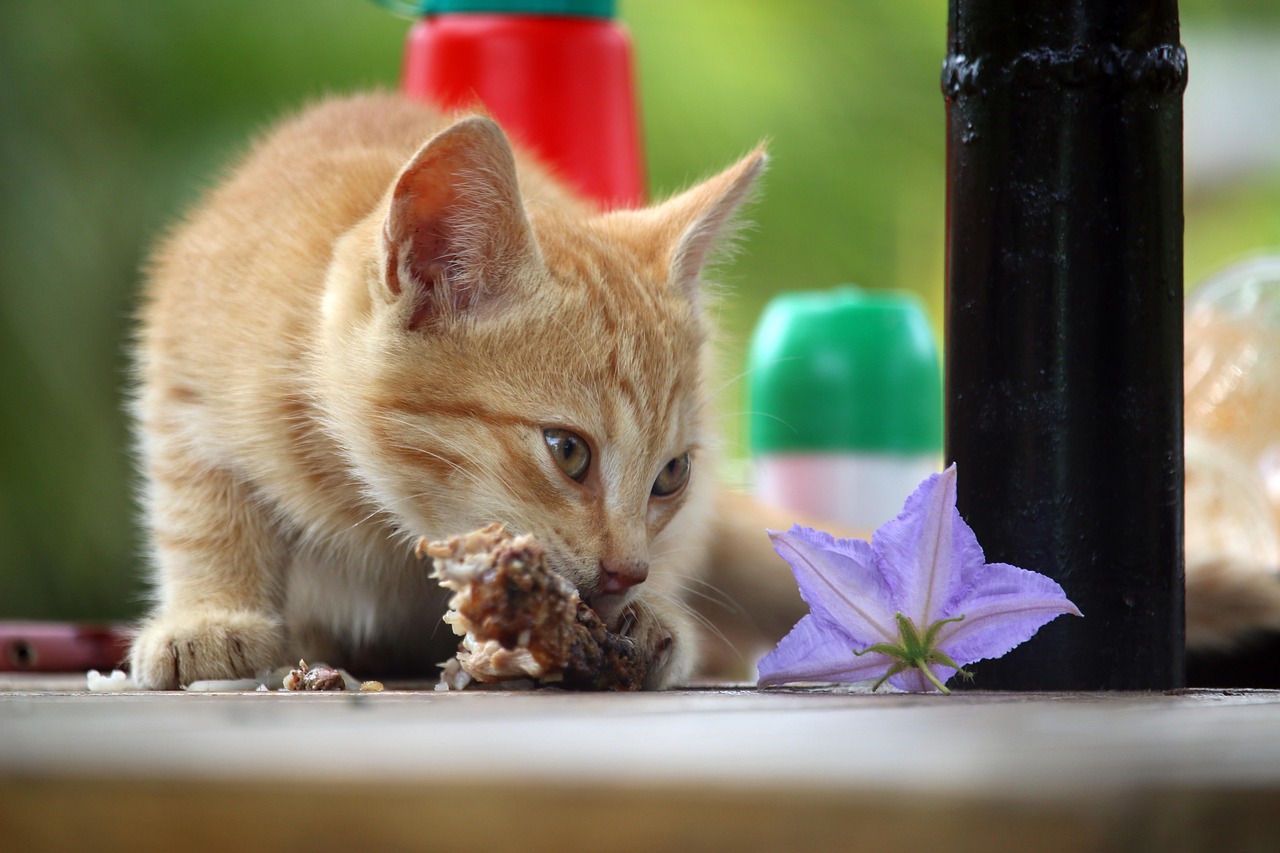

Emergency Feeding: What to Do When Your Kitten Won’t Eat
Feeding a kitten or sick cat that refuses to eat can be stressful for any pet owner. Understanding why your feline friend is not eating is crucial to address the issue effectively. Kittens may refuse food due to a variety of reasons, including stress, illness, or even dietary changes. Initially, try identifying if there are any obvious signs of distress or underlying health problems. If your kitten appears lethargic and shows no interest in food for more than 24 hours, consult a veterinarian immediately; it might indicate more serious health complications. By ensuring that your kitten feels secure and comfortable, you can help create a conducive atmosphere for eating. Additionally, try varying food options, such as wet food or transitioning to a different protein source, to stimulate their appetite. Always remember, persistent lack of appetite can lead to significant health issues such as dehydration or malnutrition. Knowing how to handle such situations can make a world of difference in aiding your pet’s recovery. Regular check-ins with your vet are essential for ensuring your cat remains healthy and can resume their normal eating habits.
When your kitten is not eating, consider offering enticing options that may reignite their interest in food. This can include heated wet food or garnishing meals with chicken broth to enhance aroma and taste. Another technique involves hand-feeding or using a syringe to provide soft food gradually. An alternative strategy is to create a peaceful feeding environment, removing distractions such as loud noises or other pets. Using shallow bowls or plates allows easier access to the food while ensuring a comfortable eating posture. You can also provide food at varying temperatures, as some cats prefer warmth while others may enjoy chilled options. Consider incorporating topics such as different feeding methods with your veterinarian for additional insights. If dietary changes are the solution, ensure any new food offered meets nutritional requirements to protect your kitten’s well-being. Various resources are available online for finding recommended feline diets. Always prioritize your pet’s comfort and health. By engaging with your veterinarian and staying informed about proper nutrition, you can effectively manage your pet’s emergency feeding situation and encourage healthier eating habits.
Understanding the Importance of Hydration
Dehydration is a significant risk for kittens and sick cats that refuse to eat. Providing adequate hydration during this critical period is essential. Often, the first signs of dehydration may not be obvious; however, observing your kitten can reveal key indicators such as dry gums or lethargy. If your pet isn’t eating solid food, offering water through a syringe can encourage hydration. You can also introduce liquid alternatives, like diluted broth or specialized hydration solutions specifically formulated for pets. Consult your veterinarian for suitable recommendations tailored for your kitten. Monitoring your cat’s water intake is vital, especially if they are experiencing gastrointestinal issues like diarrhea or vomiting. Always provide fresh water to ensure maximum hydration. Furthermore, not all cats enjoy drinking from traditional bowls; therefore, experimenting with a cat water fountain may enhance their hydration habits. Investing in hydration techniques can alleviate further health issues and significantly boost well-being. Proper hydration aids digestion and nutrient absorption, making it an essential component of your kitten’s nutritional plan. Regular vet consultations additionally help monitor hydration and overall health.
When dealing with a sick cat’s lack of appetite, recognizing the subtle signs of potential illness is crucial for pet owners. Symptoms such as vomiting, diarrhea, or changes in behavior signal that your kitten may need medical attention. Chronic refusal to eat can lead to serious issues such as hepatic lipidosis, a condition caused by fat accumulation in the liver due to malnourishment. Swift action is imperative, consult a veterinarian to discuss your kitten’s symptoms, and obtain diagnostic tests if necessary. Early detection of any conditions can significantly improve recovery chances. Maintaining an open line of communication with your vet can ensure the best decision for treatment pathways. Always keep records of dietary changes, behaviors, and medical history, which can be invaluable information during veterinary consultations. Consider following up after any veterinary appointments to monitor progress and ensure optimal recovery. Ensure to keep your kitten’s environment calm and stress-free, as anxiety can greatly affect their appetite. Timely intervention and close monitoring can drastically influence your kitten’s return to healthy eating. Seek professional advice proactively to maximize your kitten’s health and wellbeing.
The Role of Stress in Eating Habits
Stress can significantly impact a kitten’s eating habits and overall health. Common stressors can include changes in environment, loud noises, or new pets introduced into the home. Recognizing these triggers is vital to take appropriate steps to minimize their impact on your cat’s diet. Creating a defined safe space with a comfortable bed and familiar items can help alleviate some of their anxiety. There are calming aids available, including pheromone diffusers and anxiety-reducing supplements that may help ease your kitten’s stress levels. Engage in playtime or gentle interaction to create positive experiences to encourage an appetite. Avoid forcing food, as this may increase anxiety and worsen the situation. Adjustment periods are normal; however, long-term stress can lead to more severe health consequences and requires prompt management. If environmental adjustments fail, consult a professional animal behaviorist or your veterinarian for additional strategies to address stress-related eating issues. Closing the gap between understanding your kitten’s emotional needs and their nutritional requirements can lead to successfully re-establishing healthy eating patterns. Ensuring a peaceful atmosphere not only increases appetite but also contributes to your cat’s mental well-being.
Your kitten’s health can be significantly influenced by underlying medical conditions that may affect their appetite. Regular veterinary check-ups become important parts of ensuring any health issues are detected early and treated promptly. A comprehensive health assessment allows for identifying problems such as dental disease, infections, or gastrointestinal issues that restrict food intake. Consider specific tests that can evaluate thyroid function, organ health, or even allergies. If a health issue is diagnosed, make sure to follow through with the treatment plan devised by your veterinarian. This could include medication or specific diet recommendations to alleviate symptoms and improve appetite. Addressing underlying health concerns is an essential step to encourage your kitten to resume their normal eating habits. Always remain proactive in evaluating any signs of illness, as early detection leads to better outcomes. If appetite issues persist, share your observations with your vet to reassess the situation and adjust the management plan as necessary. Making timely decisions about your pet’s health can promote a quicker return to normal eating and overall well-being. To provide the best care for your kitten, prioritize their health at all times.
Conclusion: Being Prepared for Emergency Feeding
In conclusion, being prepared for the unexpected is vital when caring for your kitten. Understanding emergency feeding techniques can significantly impact your pet’s health during challenging times. Keeping essential supplies on hand, such as kitten-specific nutritional supplements or syringes for feeding, can make emergency situations manageable. Always stay in touch with your veterinarian for guidance on suitable foods and feeding techniques. Awareness of your kitten’s behaviors can provide insights into their health and help determine when immediate action is needed. Create a feeding routine that incorporates different methods to help stimulate your kitten’s appetite; this could include varying food textures or flavors. Always remember the importance of hydration as part of effective feeding plans. By following these strategies, you are equipping yourself to handle challenges successfully. Focus on your kitten’s nutrition as a vital part of their overall health strategy. In emergencies, consult resources and seek veterinary advice to ensure the best care for your pets. Every action you take can contribute towards a healthier and happier life for your beloved feline companion.
By fostering a loving environment and prioritizing health, you can navigate any challenges that arise successfully and promote optimal growth for your kitten.