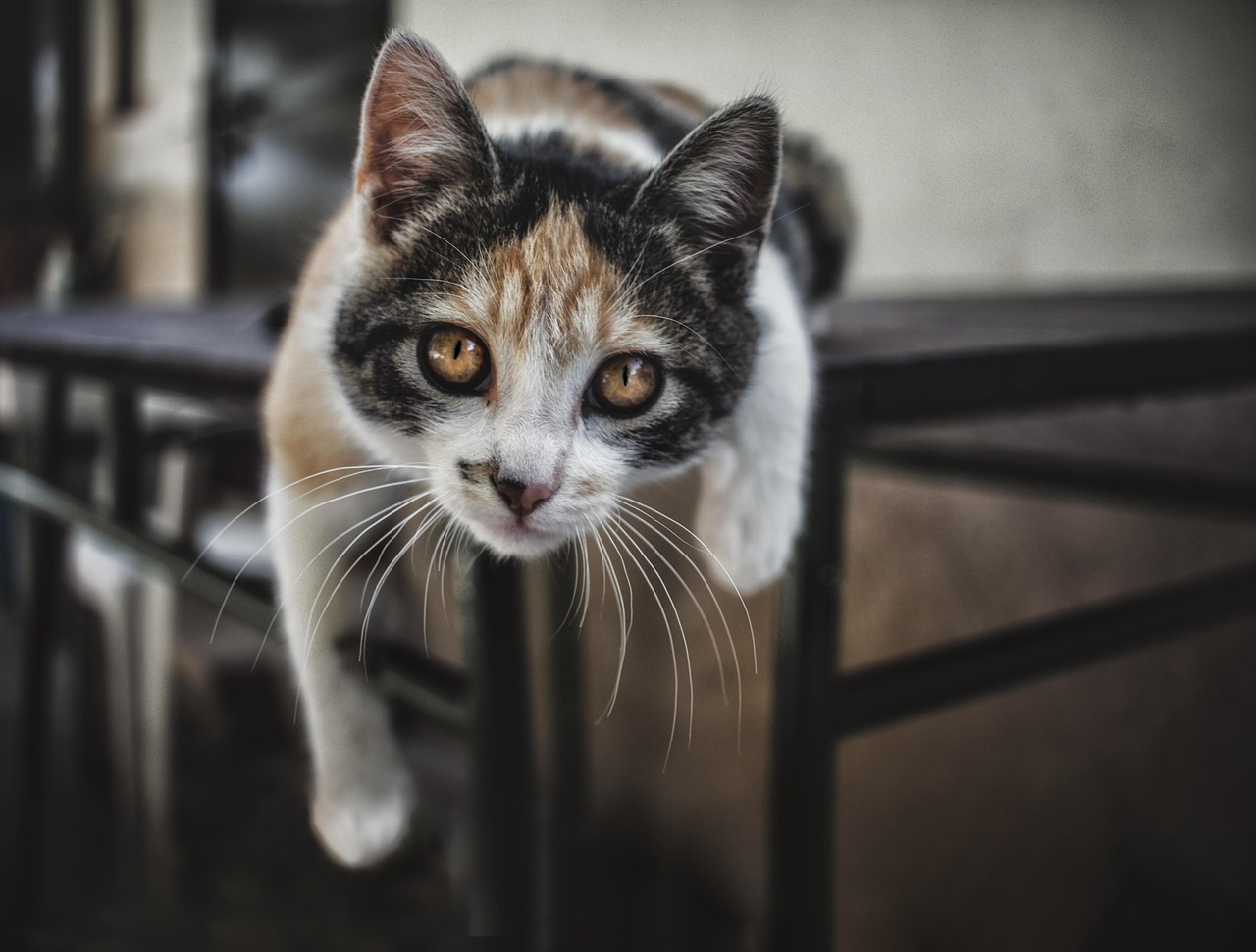

Future Trends in Ethical Cat Photography Practices
As we advance further into the world of pet photography, understanding ethical considerations in cat photography is becoming increasingly important. The trend is shifting towards prioritizing the well-being of our feline subjects. Photographers must establish a strategy that respects the natural behavior of cats while simultaneously delivering high-quality visuals. Important practices involve ensuring that the habitat for the cat is undisturbed and that best practices accommodate the animal’s comfort and safety. Offering incentives, such as treats, can create a more pleasant atmosphere for cats. Additionally, photographers should be aware of their audience, ensuring that images portray cats in loving, humane environments. This includes avoiding overly staged or unnatural poses, as they can misrepresent the pets’ true personalities, ultimately leading to misconceptions. Ethical cat photography isn’t just about capturing stunning images; it also encompasses the responsibility to educate the public on proper cat care and welfare. Sharing insights from the sessions can inform audiences about feline behavior, contributing to a more profound appreciation for these animals. Hence, being conscientious leads to a culture that celebrates ethical practices while producing beautiful photography.
Crucial to shaping a future within ethical cat photography is the implementation of consent in the process. Feline behavior can be unpredictable, which makes it essential to approach cat photography with patience and respect. Observing a cat’s body language provides valuable insights. Understanding when a cat is agitated or anxious helps photographers adjust their methods accordingly. Photographers must respect boundaries and create environments that are familiar to the cats they’re shooting, promoting ease and comfort. These adjustments can lead to more authentic and rewarding interactions between the photographer and the subject. The growing reliance on technology to analyze animal behavior is noteworthy. Tools such as mobile applications can provide assistance in monitoring stress indicators or agitation levels in cats, enhancing the photographer’s ability to cater to emotional well-being. Partnerships with veterinarians or animal therapists can further support these practices. It is this kind of integration that is essential for future-proofing practices in cat photography. By developing a framework that prioritizes well-being through informed consent, photographers can ensure a healthier future for all participants in the photography process.
Incorporating Technology and Innovation
Technology plays a vital role in the evolution of ethical cat photography practices. Utilizing digital photography solutions allows for quick interactions and instant feedback. This aids photographers in adjusting their approaches to accommodate their subjects better. Information-sharing platforms have emerged, where photographers can discuss methods, share resources, and seek advice on ethical practices. Innovations like artificial intelligence are streamlining processes, assisting professionals in efficiently sorting through vast amounts of footage to identify the best shots while maintaining an ethical focus. Social media platforms are essential for promoting ethical practices within the photography community. Here, professionals can highlight their commitment to feline welfare and educate clients on responsible cat ownership. This interaction directly influences public perceptions, shaping future decisions. Additionally, implementing the use of remote cameras empowers photographers to capture candid moments without overwhelming the cats. This minimizes any potential distress, fostering a more peaceful atmosphere. It emphasizes the importance of keeping cats in their natural surroundings. Well-informed photographers are also better equipped to advocate for positive change in cat welfare through their art, creating compelling movements for responsible cat ownership.
Acknowledging cultural sensitivities in cat photography plays a pivotal role in promoting ethical practices. Different cultures may view pets, including cats, through varying lenses. Photographers must be sensitive to these differences, ensuring their work doesn’t perpetuate stereotypes or misunderstandings. Careful consideration in representation has a broader impact, as society contributes to shaping norms and attitudes toward pets. It is crucial to incorporate inclusiveness within the photography industry, showcasing diverse lifestyles and global cat care practices. Not only does this enrich the storytelling aspect of cat photography, but it also lays the groundwork for fostering respect and understanding among various communities. Engaging with local communities when photographing their cats offers insights into their unique environments and perspectives, adding depth to the photography. Ethically capturing cats in their various cultural contexts allows photographers to tell stories that celebrate the connection between humans and their feline companions. Demonstrating the diversity in cat ownership practices not only enhances personal narratives but also educates audiences worldwide. As a result, photographers enhance cultural awareness while promoting a narrative that embraces various ways to love and care for cats responsibly.
Building Trust and Transparency
Building trust and transparency is essential to ethical cat photography practices. Photographers should communicate clearly with pet owners, discussing methods and intentions before conducting photo sessions. Providing clear guidelines and documentation can dispel concerns and make pet owners feel more secure in the process. Moreover, developing trust with the cats themselves is paramount. Creating a relaxed environment where the animals feel safe encourages spontaneity and authentic behavior. The relationships established with both the cats and their owners can lead to enriching experiences for everyone involved. Transparency not only builds trust but also demonstrates a commitment to responsible practices. Photographers should always disclose how images will be used, ensuring that owners agree with potential displays in galleries or on social media. In doing so, they maintain ethical responsibility throughout. Responding to feedback from both pet owners and cats can enhance future interactions. Adjusting techniques based on experiences improves the overall quality of engagements. Ethical photography is also about actively listening, understanding concerns, and iteratively creating relationships based on mutual respect, ensuring that both participants leave the experience having gained positive memories.
Moreover, the ongoing education of photographers about the latest ethical standards is critical for the future of the industry. Joining organizations that promote ethical practices and attending workshops focused on cat welfare can help photographers keep abreast of changing guidelines. By engaging in discussions and formal education, photographers position themselves as informed advocates for responsible practices. This can draw in clients who appreciate and prioritize ethical photography. Clients value photographers willing to educate themselves. Implementing these standards can lead to greater client satisfaction and showcase commitment to professional development. Furthermore, continuous education within the community raises awareness regarding the implications of animal representation through media. Engaging in conversations about ethical standards fosters growth within the photography community as a whole. Photographers can share knowledge, support one another, and collectively strive for best practices in their respective art forms. This creates a culture of accountability and dedication to the craft. Ultimately, the essence of ethical cat photography extends beyond the photographs themselves; it encapsulates a larger mission toward promoting animal welfare, kindness, and respect in every interaction captured through the lens.
Conclusion: A Future of Compassion
In conclusion, the future of ethical cat photography thrives through compassion and conscious practices. As photographers pave the way for cultural sensitivity, loss of stereotypes, and responsible pet ownership, they can impact public perceptions profoundly. This art form not only serves the pleasure of capturing beauty but also enables education surrounding feline welfare. Establishing strong relationships with cats, their owners, and communities fosters inclusiveness in telling diverse stories. Embracing technology ensures both efficient work processes and a commitment to ethical norms. Whether it is through remote cameras, AI analytics, or social media platforms dedicated to feline well-being, the possibilities are endless. Photographers hold the unique ability to shine a spotlight on both adorable antics and serious issues. Ultimately, fostering practices that prioritize trust, transparency, and education can enhance this unique genre of photography’s positive influence on society as a whole. As we look forward, ethical cat photography not only leaves an imprint on its practitioners but also evolves through continuous reflection and the pursuit of excellence in feline representation. The responsibility lies with each artist to contribute to a compassionate future, one photograph at a time.
A final key aspect of ethical cat photography emphasizes the importance of sharing experiences and learning from one another. By engaging with fellow photographers, individuals can develop a greater understanding of the broader issues surrounding animal welfare, tools, and practices that resonate within the community. Organizing or participating in workshops can create opportunities to share skills, showcase best practices, and address challenges in the field of cat photography. Attendance can nurture a spirit of collaboration where photographers develop collective solutions to uphold ethical standards. Embracing such experiences adds depth to professional development and ensures the artistic representation of cats is executed respectfully. Moreover, it empowers the community to become advocates for feline welfare beyond the lens. Encouraging open conversations discussing successes and setbacks can pave the way for mentoring relationships within the photography community. This collaboration enriches the experiences of emerging photographers, ensuring that compassion and ethical practices are embedded in the industry’s foundation. As photographers learn continuously, their commitment to capturing ethical images of cats reflects their dedication to shaping a future where welfare precedes visual aesthetics.