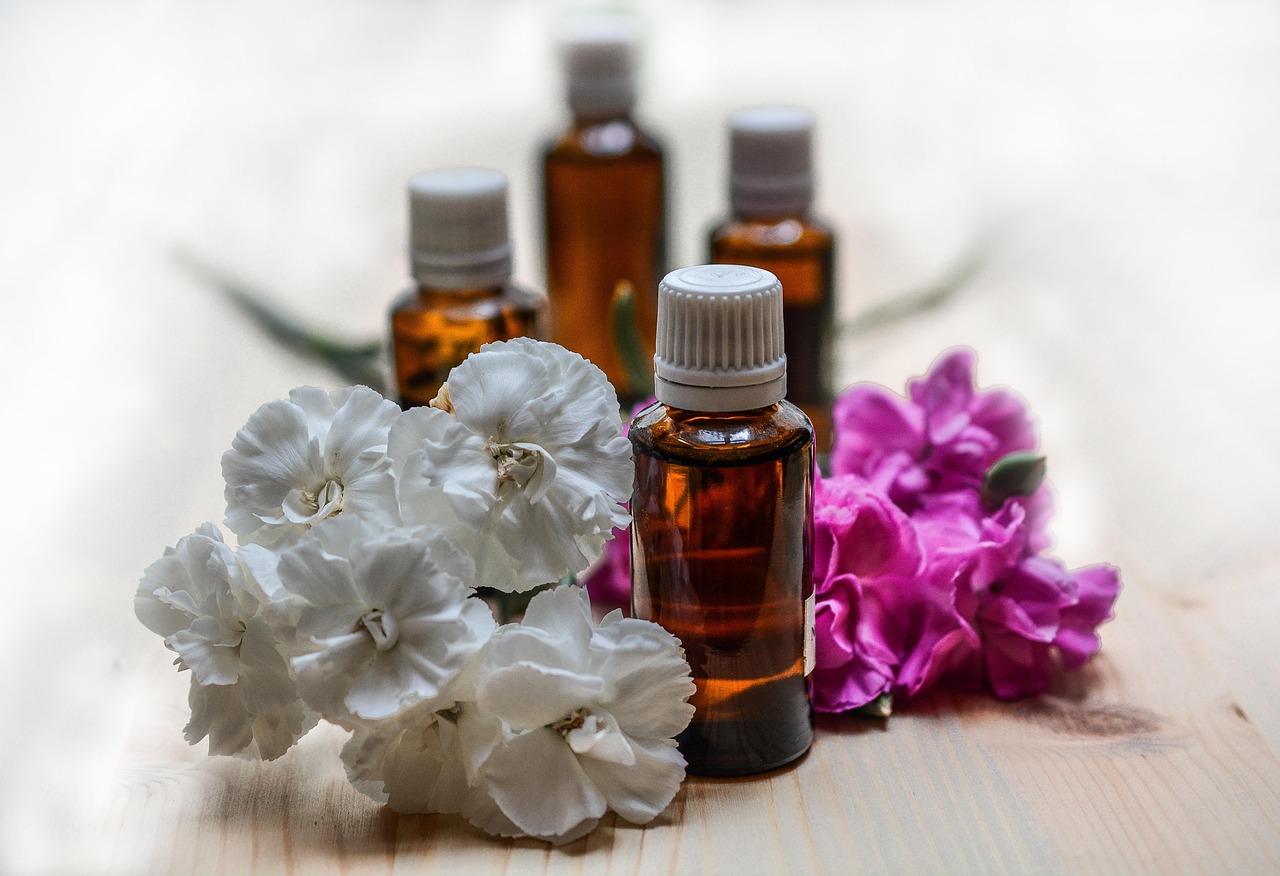

How Aromatherapy Can Improve Your Dog’s Mental Health
Aromatherapy has gained popularity as an effective therapy for enhancing dog mental health. It utilizes essential oils derived from plants to create a calming environment for dogs, promoting relaxation and reducing anxiety. Various oils, such as Lavender, Chamomile, and Rose, can contribute positively to a dog’s emotional state. Dogs can benefit from the soothing properties of these oils, helping them through stressful situations like thunderstorms, vet visits, and separation anxiety. By diffusing these essential oils in your home, you can create a serene atmosphere that encourages tranquility. Additionally, incorporating aromatherapy into your dog’s routine can help maintain emotional balance and improve overall well-being. It’s essential to consult with professionals trained in animal aromatherapy to determine the best essential oils for your companion. Furthermore, alternate therapies like complementary techniques can be combined with aromatherapy for greater health benefits. Regular exposure to relaxing scents can help dogs feel safe and secure in their surroundings, contributing to a happier and healthier life for them. As with any therapy, monitoring your dog’s response is crucial to ensure its efficacy and safety.
Dogs communicate through behavior, and their mental health is impacted significantly by their environments. Therefore, it’s crucial to create a haven for them using various calming techniques, including aromatherapy. Complementing standard training and care routines with scents can assist in addressing behavioral issues. For example, a distressed dog may exhibit signs like barking, hiding, or destructive behavior. Using calming essential oils can soothe these anxious tendencies, helping influence a positive shift. Moreover, when combined with positive reinforcement training, aromatherapy can enhance the overall training experience for your dog. Implementing essential oils in the dog’s daily life can create lasting change in their emotional responses. Always prioritize safety by ensuring any essential oils used are non-toxic and safe for canine companions. The right balance and application of essential oils can lead to a more harmonious living situation for both dog and owner. Many pet stores offer specialized blends designed explicitly for dog anxiety. Exploring these options can provide an ideal solution for environmental stressors in your home, such as loud noises or new visitors that might upset your furry friend. Ultimately, aromatherapy can become a valuable tool in your pet care arsenal.
Once you’ve established the foundations of aromatherapy in your home, understanding its application is key for optimum results. One method involves diffusion, where essential oils are dispersed into the air using a diffuser. This approach allows your dog to experience soothing scents without direct contact. Alternatively, topical application involving diluted oils can be beneficial, applied to collar areas or other safe spots on your dog. However, it’s vital to choose high-quality, pure essential oils to avoid harmful additives, especially for sensitive pets. Be sure to conduct patch tests to rule out allergic reactions before extensive use. Furthermore, incorporating aromatherapy into your dog’s routine should align with their individual preferences and needs. Some dogs may respond positively to calming scents, whereas others may be indifferent. Monitoring your dog’s reactions after introducing new scents can help determine what works best for them. Aroma pairs and combinations can also enhance the experience, combining oils like Lavender with Chamomile for added relaxation. Thus, utilizing aromatherapy may require some experimentation to find the right mix of scents, fostering a deeper bond between you and your dog while addressing their emotional needs.
Understanding Essential Oils for Dogs
Understanding the different essential oils that are safe for dogs is vital for effective aromatherapy. While many essential oils possess beneficial properties, not all are safe for canine companions. Some essential oils, such as tea tree and citrus oils, can be toxic and harmful in any concentration. Therefore, before incorporating any new scents, educating yourself on safe alternatives is crucial. Lavender is widely recognized for its calming effects, making it a favorite among pet owners dealing with anxiety issues. Similarly, Bluetansy, with its soothing properties, can be effective for hyperactive dogs, promoting relaxation. Overall, Chamomile is another excellent choice for reducing stress in pets. Each oil presents unique benefits that can cater to different needs based on temperament or environmental factors such as disruption or change. Furthermore, always introduce new scents gradually to gauge your dog’s reactions and preferences. Ensure a safe environment by avoiding hazardous oils, as excited pups may accidentally ingest oils leading to complications. A responsible approach enables owners to design an effective aromatherapy routine that fosters a peaceful atmosphere for their furry companions.
In addition to understanding safe essential oils, determining methods of application can influence the effectiveness of aromatherapy. One effective approach is through massage, where diluted essential oils can be gently applied to your pet’s fur. Massaging your dog with these soothing scents can enhance their emotional state and create a bonding experience between owner and pet. Utilizing aromatic sprays made with safe oils can also help create an inviting atmosphere throughout the house. Furthermore, using plush toys infused with these calming scents may appeal to your dog while providing comfort in stressful times. When integrating aromatherapy into your dog’s life, a personalized approach is essential. Consider the specific lifestyle factors that could affect your dog’s mental health, such as daily routines, social interactions, and traumatic experiences. Combining aromatherapy with behavioral enrichment activities, such as outdoor walks or interactive playtime, may create a balanced routine that supports their mental health effectively. Being attentive to your dog’s emotional state can significantly contribute to designing aromatherapy techniques that promote a happy environment, leading to a fulfilling life for both the pet and owner.
Combining Aromatherapy with Other Therapeutic Techniques
Combining aromatherapy with other therapeutic techniques can yield remarkable results for dog mental health. When used alongside behavioral training or cognitive enrichment games, essential oils can enhance the effectiveness of these interventions. Positive reinforcement paired with the calming scent of oils can lead to more productive training sessions, providing dogs with a soothing backdrop that encourages learning. Furthermore, socialization plays an important role in your dog’s emotional health. Including calming aromatherapy while exposing them to new environments or experiences can mitigate stress reactions and help them adjust better. This combination has been effective for dogs that may experience anxiety during relocation or while meeting new people and other pets. Additionally, traditional methods like physical exercise should not be overlooked, as physical activity contributes significantly to overall happiness and mental stability. Thus, incorporating aromatherapy into a well-rounded regimen reinforces the idea of holistic care. This approach provides dogs with the necessary support to flourish physically, mentally, and emotionally, leading to a more balanced lifestyle. Essentially, combining various techniques can create a multifaceted strategy addressing your dog’s comprehensive well-being.
The journey of integrating aromatherapy into your dog’s routine marks a personal commitment to enhancing their mental health. Observing and understanding behavioral changes can help determine the effectiveness of the aromatic treatments you apply. Regular feedback on your dog’s emotional state can assist you in fine-tuning the essential oils used and the methods adopted. A journal can be handy to track progress and note which scents elicited positive responses. Be patient throughout this process, as every dog has its own unique preferences and responses to treatments. Collaborating with a veterinarian or a pet behavior specialist can provide tailored advice and support for your specific situation. Being proactive in seeking help can ultimately refine your strategy for employing aromatherapy effectively. Set achievable goals for your dog’s mental health, and assess progress over time. Recognizing small victories can build a rewarding experience for both you and your furry friend. Ensuring a comfortable and pleasant environment fosters a lasting bond and companionship, helping them thrive in a supportive atmosphere. Ultimately, investing time and care in your dog’s mental well-being enhances their quality of life and companionship.
As we conclude our exploration of aromatherapy for dogs, it’s essential to reiterate the importance of using safe, natural products. The proactive steps you take now can have a profound impact on your dog’s mental health journey. Building a nurturing environment where your dog feels loved and safe encourages them to thrive. Through aromatherapy and its various applications, taking an active interest in your dog’s emotional stability fosters an enriching bond. Early intervention can help address developing issues, allowing for more effective resolutions. Always remain observant and considerate of your dog’s needs, adapting the aromatherapy approach to ensure lasting results. A holistic view of your dog’s health promotes longevity in both physical and mental aspects. Seek resources and guidance to expand your knowledge on dog aromatherapy, ensuring you’re well-equipped to provide the best care possible. In conclusion, fostering your dog’s mental health through continued education and the proper use of aromatherapy can significantly enhance their overall well-being. Supporting their emotional needs, combined with love and attention, creates a fulfilling life for your canine companion.