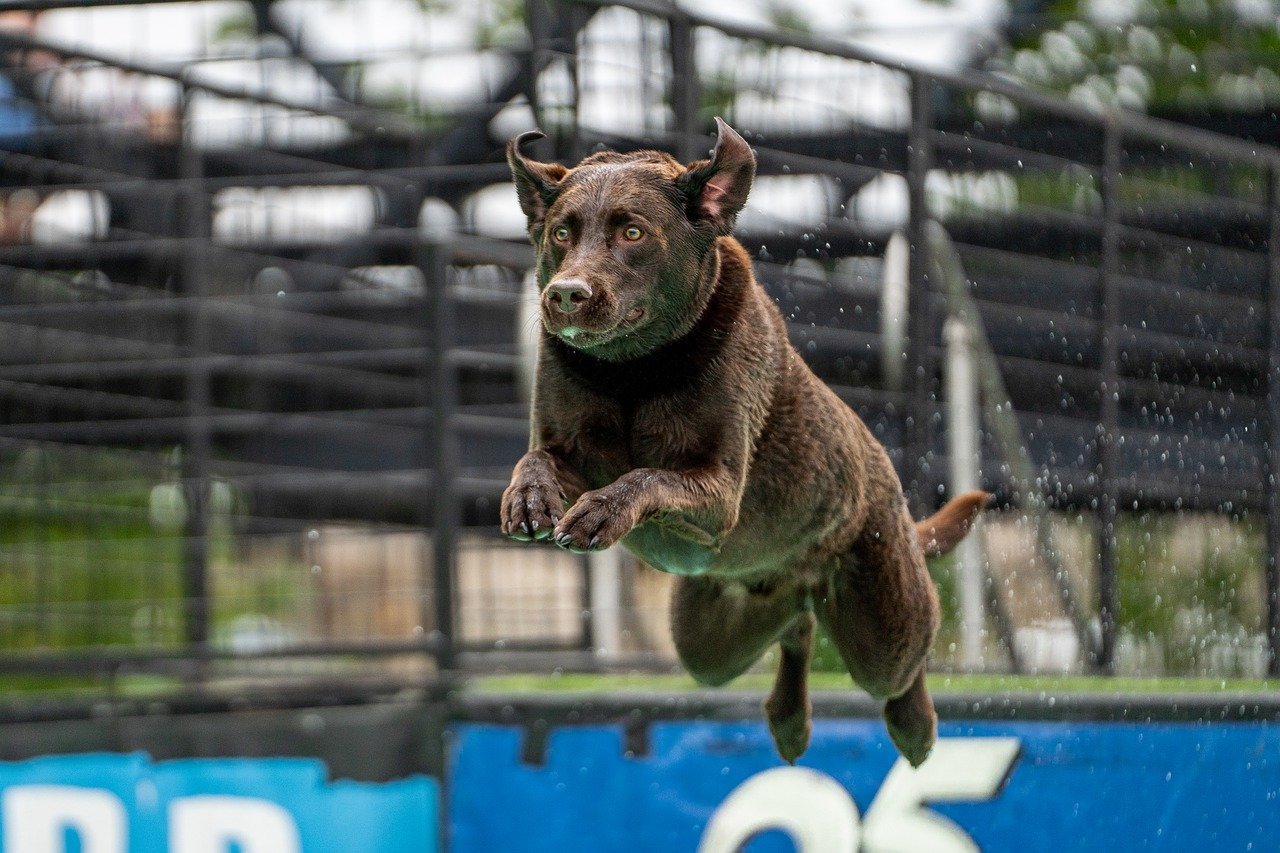

How Socialization Affects Performance in Dog Sports
Socialization plays a crucial role in shaping a dog’s ability to perform in various sports. Early exposure to different environments, individuals, and other animals enhances a dog’s confidence. A well-socialized dog is typically more relaxed, making it easier for them to focus during competitions. When dogs face unfamiliar challenges, those with positive social experiences usually exhibit better coping mechanisms. It’s important for dog owners to understand how lack of socialization can lead to anxiety or fear, which may hinder performance. Canine sports demand a well-balanced temperament, as distractions abound in competitive settings. The more social interactions a dog has, the better they perform. Success in dog sports isn’t merely about physical prowess. Mental adaptability factors in immensely. Dogs trained with socialization in mind will more readily adapt to the variable dynamics of a competitive atmosphere. This adaptability is largely influenced by their prior experiences with various stimuli. Consequently, the significance of socialization can’t be overstated. Owners should engage their dogs in group training sessions and varied environments to help cultivate these skills. Creating positive associations with various experiences lays the groundwork for future performance enhancements.
Socialization extends beyond mere exposure; it encompasses a range of interactions that enrich a dog’s life. Engaging in positive experiences with diverse stimuli can significantly influence a dog’s behavioral responses. For instance, how dogs react to noise or crowds is often shaped by their early life experiences. Socialized dogs tend to show resilience in busy environments such as sports events. By contrast, unsocialized dogs may demonstrate avoidance behaviors or become overly stimulated when faced with similar scenarios. These reactions can detract from performance levels during competitions. Training exercises conducted in environments with varying distractions can prove beneficial. Gradually introducing dogs to situations where they might feel challenged prepares them for real-life events. Engaging in dog sports also requires a bond of trust between the handler and the dog. That bond frequently strengthens through social interactions. A confident dog that feels secure with its handler is more likely to perform better. Owners should also consider involving their dogs in playgroups and training classes. These opportunities foster confidence and create meaningful connections that support performance. Ultimately, socialization is indispensable in nurturing a dog’s capacity for success in competitive sports.
The Importance of Peer Interactions
Peer interactions are fundamental in the development of skills necessary for dog sports. Through play with other dogs, a canine learns valuable lessons about communication, boundaries, and competition. These interactions equip dogs with insight into their peers’ behaviors and intentions, helping them better judge situations during events. Being able to read body language can significantly reduce stress for the dog while competing. Additionally, understanding social cues helps dogs manage their excitement or anxiety more effectively. When dogs engage positively with peers, they often exhibit increased enthusiasm and focus, particularly in high-stakes environments. This excitement may translate into improved performance in competitive settings. Additionally, the experience gained through play has implications for teamwork. In team-oriented sports, dogs that have had ample peer experiences are better at working in unison. Their ability to cooperate enhances overall team dynamics and performance. Structured encounters, like agility courses or obedience training, can simulate competitive settings, encouraging dogs to overcome challenges together. Regular playdates and structured classes offer an abundance of these benefits, forming critical foundations for endurance, agility, and mental acuity needed in dog sports.
Observations from various trainers emphasize how socialization impacts eventual performance outcomes. Trainers often report that dogs with extensive social backgrounds adapt more seamlessly to unpredictability. They face new challenges in dog sports with confidence rather than uncertainty. This adaptability frequently results in higher performance levels. Furthermore, socialized dogs demonstrate greater engagement and enthusiasm during training and competitions. A motivated dog is more likely to excel, as they’re fueled by enjoyment. The emotional state of a dog is paramount in any competitive scene. A dog feeling secure and secure often carries a calm level of energy that is conducive to success. Anxiety or insecurity can completely derail a dog’s ability to perform optimally. Trainers advise involving dogs in social scenarios regularly to alleviate potential anxieties that could be triggered during competitions. A strong connection between handlers and dogs, developed through shared experiences, fosters trust and enhances performance outcomes. The bond can motivate dogs to aim for success, benefiting both the canine and the team overall. That’s why socialization isn’t merely an additional training requirement; it is a core element at the heart of competitive success.
Social Skills Development and Training
Developing social skills in dogs requires a mindful approach, incorporating various training strategies that facilitate growth. Proper exposure to new experiences and environments is essential in this quest. Employing positive reinforcement techniques during training sessions proves beneficial in enhancing a dog’s socialization. Initiating these sessions in controlled environments allows dogs to build confidence gradually. A balance between generalization and specificity is vital; while generalizing skills fosters adaptability, specialized techniques focus on performance. Rewarding dogs for calm behavior in the presence of distractions reinforces their ability to remain composed during competitions. In addition to training, owners can host socialization events that promote team-building exercises. Organized outings offer opportunities for dogs to meet unfamiliar peers while engaging in activities. Different dog sports can serve as motivational tools during these social encounters. Simulating the competitive atmosphere during training helps ease dogs into the experience naturally. This preparation not only strengthens physical skills but also hones critical aspects of social understanding among dogs. In turn, this understanding aids their performance when exposed to stressors typical in competitions. Thus, integrating social skill development into training routines significantly enhances overall prospect in dog sports.
Transparent communication between handlers and dogs greatly impacts performance. This communication largely stems from past social experiences. Dogs that are adequately socialized often exhibit improved responsiveness to cues and commands. Their familiarity with diverse environments boosts their awareness and focus. When there is an established routine of communication, dogs are more comfortable engaging in tasks. It fosters an environment of trust, allowing dogs to flourish during performances. Socialized dogs also tend to bounce back more swiftly from perceived failures without lingering stress. The emotional toll of competition can affect performance significantly. Dogs with developed social networks and supportive handlers are generally more resilient. These networks provide emotional backing and security, which alleviates performance pressure. Handlers have the responsibility to maintain a calm demeanor, reinforcing stability for their dog. Furthermore, social experiences should be frequent and varied. Interdisciplinary training is beneficial, where handlers explore multiple types of dog sports or activities. It cultivates adaptive skills that can translate across different environments and challenges, enhancing overall competencies. As dogs become accustomed to diverse stimuli and situations, their performance capability in dog sports greatly benefits from these impactful social experiences.
Conclusion: Emphasizing Socialization in Dog Sports
Recognizing the influence of socialization on dog sports performance culminates in improved competitiveness and success. Owners often overlook the underlying significance of their dogs’ social experiences. Making efforts to enhance these interactions lays the foundation for high-performance capabilities. It translates directly into how well dogs handle stress, engage with challenges, and adapt during competitions. Effective socialization prepares dogs not only physically but also mentally. Owners should seize opportunities to foster these skills by engaging their dogs in diverse activities. Regular outings, playdates, and group classes are essential. They allow for experiences that cultivate skills crucial during competitions. Fostering these connections doesn’t just benefit performance; it contributes to an enriched emotional well-being for the dog. Many dogs thrive in environments where they can express natural instincts and develop social bonds. Furthermore, positive experiences can instill confidence and motivation. Creating an atmosphere that encourages growth fosters meaningful relationships between canine and handler. In conclusion, the relationship between socialization and dog sports performance is undeniable. Prioritizing social experiences undeniably leads to improved outcomes, making it paramount for dog sports enthusiasts to incorporate this factor into their training regimens.
Performance outcomes in dog sports are strongly conditioned by effective socialization strategies. This section summarizes key aspects and approaches that enhance performance through social experiences. Engaging dogs early in their development through a variety of communal activities makes a significant difference. Group training, puppy classes, and controlled playdates build important social skills that translate into stronger performance in competitions. Keeping the dog challenged and mentally stimulated while socializing is crucial. Consider participating in mixed dog sports, which often expose canines to varied situations that improve their adaptability. Infusing training with facets of play further solidifies the emotional bond between dog and handler, ushering in improved performance. Structured interaction within groups serves multiple purposes: it develops social skills, builds emotional resilience, and fosters teamwork. Simply put, dogs that can engage well socially are often more successful in dog sports. Owners must prioritize socialization as part of extensive training. By working towards these interactions regularly and with intention, owners set their dogs up for success on and off the competitive stage.