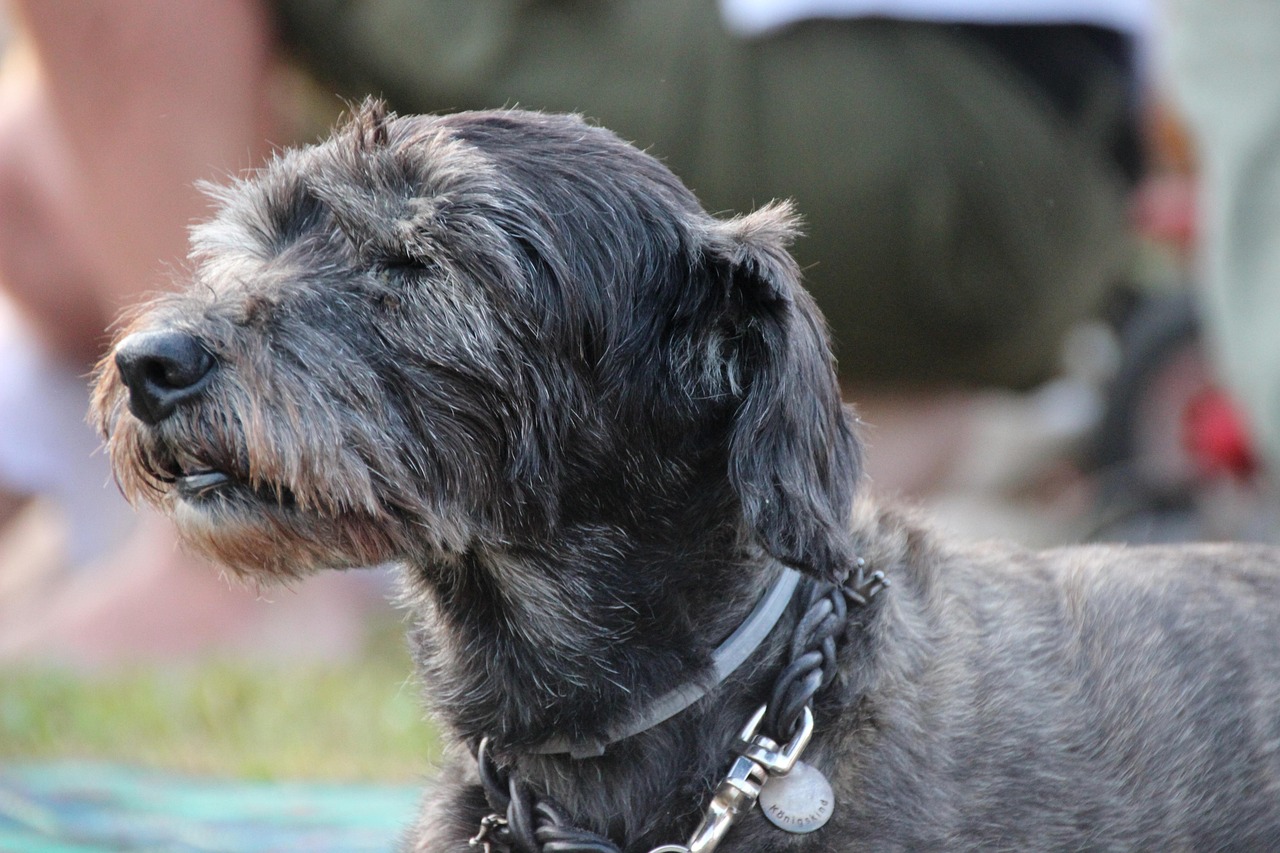

Identifying and Managing Phobias in Senior Dogs
As dogs age, they may develop various health conditions that affect their emotional well-being. Phobias and anxieties are rampant among senior dogs. Common triggers include loud noises, changes in routine, or unfamiliar environments. It’s crucial for pet owners to recognize signs of phobias early. Typical signs include excessive barking, pacing, hiding, or destructive behavior. Understanding such signs can help you respond effectively and foster a safer environment for your senior dog. First, observe your dog’s reactions in multiple situations to identify specific triggers. For example, does your dog tremble during storms? Such patterns can provide valuable insight into their fears. Always consult with a veterinarian if you suspect behavioral changes. Professional guidance may be necessary to address complex phobias. Early intervention is key to better outcomes. Additionally, every senior dog is unique, so tailor your approach to their individual needs. Your understanding and patience can significantly influence their emotional state. In the following paragraphs, we will explore effective strategies to manage these phobias and enhance your beloved pet’s quality of life.
Understanding Common Phobias in Senior Dogs
Phobias in senior dogs are often rooted in traumatic experiences or environmental factors. Some dogs develop fears as they age, while others may have had lifelong anxieties that intensify over time. One prevalent phobia involves thunderstorms, characterized by panting, excessive barking, or seeking hiding spots. Another common issue is separation anxiety; older dogs may feel unsettled when left alone. Identifying these fears is essential for providing appropriate care. Owners should closely watch for changes in behavior during stressful situations. A dog’s fear response may manifest as aggressive behavior, excessive drooling, or shaking. To understand your dog better, keep a journal documenting their reactions to different scenarios. This documentation helps reveal patterns that can guide your response. Furthermore, gradually exposing your dog to their fears can sometimes alleviate anxiety. For instance, play recordings of storm sounds at a low volume and gradually increase the intensity as your dog adapts. The key is to ensure these sessions are short and non-threatening, allowing for positive reinforcement when they remain calm. Continued observation and tailored strategies will provide insights into effectively managing each unique phobia.
Creating a safe haven for your dog is necessary when addressing their phobias. Every senior dog should have a designated space where they feel secure, especially during stressful events like thunderstorms. Choose a quiet, cozy area in your home, preferably away from loud noises. Equip this space with their favorite blankets and toys to help them feel more at ease. You may also choose to incorporate calming aids, such as weighted blankets or calming pheromone diffusers, which can contribute to stress reduction. When anxiety triggers arise, lead your senior dog to this safe haven. This promotes familiarity and reassurance during distressing moments. Reinforce this behavior with positive reinforcement, like treats and praise, when they willingly go to their safe spot. Additionally, creating a calming routine can help your dog anticipate and prepare for stressful situations. For example, engage in low-key activities like gentle petting or soft music before storms occur. Many dogs find comfort in routine. Consistency helps them feel secure, reducing anxiety in the long run. By establishing a safe spot and calm routine, you significantly improve your senior dog’s ability to cope with their phobias.
Training Techniques for Managing Phobias
Utilizing effective training techniques is crucial in managing phobias in senior dogs. One popular method is desensitization, which involves gradually introducing your dog to their specific fears at a manageable level. For instance, if your dog is afraid of fireworks, you might start by playing recordings of fireworks at a very low volume. Gradually increase the sound as your dog’s comfort level improves, coupled with positive reinforcement through treats or praise, which strengthens their association with the sound. Another method is counter-conditioning, where you change your dog’s emotional response to the fear-triggering stimuli. For example, during a potentially stressful situation, provide a treat or a favorite toy to create a positive experience. Over time, your dog learns to associate that trigger with something enjoyable. Patience is paramount when implementing these training techniques. Some phobias may take weeks or even months to address fully, depending on the dog’s background and experiences. Regular practice will yield the best results. In situations that are particularly stressful, consider reaching out to a professional dog trainer for specialized guidance tailored to your dog’s needs.
Ensuring your senior dog’s physical health is equally critical for managing phobias effectively. Often, pain or discomfort may manifest as increased anxiety or stress. Regular vet check-ups and proper pain management can significantly enhance your dog’s overall well-being. Discuss alternative therapies like acupuncture, which can help reduce anxiety and promote relaxation in senior dogs. Additionally, implementing daily exercise routines appropriate for senior dogs not only boosts their physical health but can also alleviate some behavioral issues. Physical activity has profound benefits on mental health, releasing endorphins that promote happiness and lessen anxiety. Engage in gentle walks or play sessions tailored to your dog’s energy levels. For some dogs, mental stimulation is just as crucial. Puzzle toys or scent games can provide an excellent outlet for their energy while honing their cognitive skills. Engaging your dog daily through appropriate activities can minimize their anxiety, allowing them to feel more confident overall. Always watch for signs of fatigue during playtime and exercise. Tailor activities to suit your dog’s needs, ensuring a balanced approach to physical and mental health.
Consulting Professionals
Throughout the journey of managing phobias in senior dogs, professional help can prove invaluable. Veterinary behaviorists or certified dog trainers specializing in behavior modification have the expertise to provide tailored treatment plans for your dog’s specific needs. Consult your veterinarian, who can also rule out any underlying medical issues contributing to anxiety. Many behavioral problems stem from health complications that require medical intervention. If necessary, your vet may recommend medications to help manage severe anxiety cases in tandem with behavior modification strategies. This approach allows for a comprehensive understanding of your dog’s needs from all angles. Group classes designed for anxious dogs can also provide socialization opportunities while being guided and supported by qualified trainers. It allows dogs to learn alongside their peers in a controlled environment. Be open to exploring various training methods and tools to determine the most effective approach for your dog. Never hesitate to reach out for help; a team of professionals can make the process smoother. Supporting senior dogs in overcoming their phobias enhances their quality of life and strengthens the bond between you.
Lastly, maintaining ongoing communication with your senior dog is key throughout the journey of managing phobias. Regularly observe subtle changes in their behavior and body language. Being aware of their needs allows you to adapt strategies accordingly, effectively supporting them through their fears. Engage in gentle conversations with your dog, using a soothing tone during stressful moments to provide reassurance. Consistency in your behavior and responses reinforces trust, significantly aiding in reducing anxiety. Additionally, creating a network of support with other dog owners can be beneficial. Sharing experiences and strategies with peers who may have faced similar challenges can provide comfort. Online forums or local support groups often create a sense of community where stories and tips are exchanged. In doing so, you can gain new perspectives on managing specific phobias. This shared knowledge can empower you as a caregiver, transforming your approach to supporting your pet. Always strive to create loving and calming experiences for your senior dog. Remember that patience, love, and understanding will help foster a more relaxed and secure environment for your furry friend.