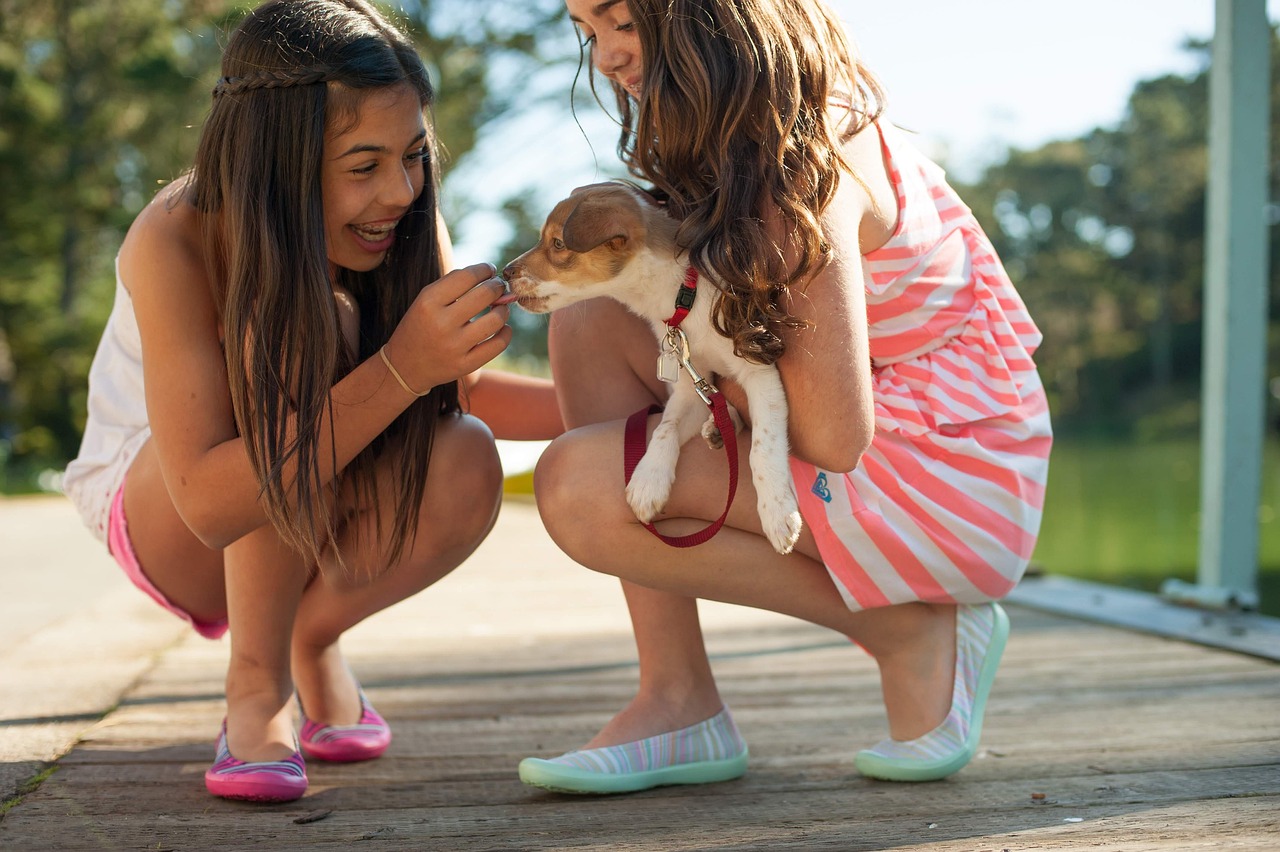

Managing Dog Safety Around Children
Managing dog safety around children is vital for ensuring a harmonious home environment. Always supervise interactions between dogs and children, as children may not understand a dog’s needs or signals. Teach children how to approach dogs gently, emphasizing that they should never disturb a sleeping pet or engage in rough play. Positive reinforcement techniques can help children and dogs learn to coexist safely. Dogs should have a safe place to retreat when they need downtime. Dogs can react unexpectedly, so understanding their body language is crucial. Recognition of signs of stress in dogs can prevent accidents. Signs may include growling, flattened ears, or a tucked tail. Educating your child about respecting a dog’s space is essential. Create rules regarding how to approach and interact with dogs, ensuring these guidelines are consistently followed. Additionally, always reward calm behavior from your dog around children. Teaching children to be gentle and respectful fosters a safer environment. Engage in activities that allow both the dog and child to learn together, such as obedience training or agility exercises. Ultimately, patience and consistency are vital components in creating a safe space for both dogs and children.
Introducing Dogs to Other Pets
Introducing dogs to other pets requires careful planning and consideration. Creating a controlled environment during an introduction can prevent potential conflicts, especially with cats or small animals. It is essential to ensure both animals have their own space and time to adjust to the presence of the other. Initially, consider using a leash for the dog to maintain control. Start with short introductions, gradually increasing the time spent together. Observing body language for signs of discomfort is crucial during these encounters. Keep the interactions positive by rewarding both pets with treats for calm behavior. It’s advisable to avoid forcing interactions; allow them to meet at their own pace. Creating separate spaces for each pet with their own food, water, and litter trays can minimize stress levels. Monitor all interactions closely, especially in the early stages. Establishing a routine where both pets receive equal attention helps reduce feelings of jealousy or rivalry. If any aggressive behavior surfaces, it may be beneficial to separate the pets and consult with a professional trainer. Overall, patience is key when establishing a peaceful coexistence between your pets.
Recognizing Dog Behavior Changes
Monitoring your dog’s behavior for any changes is critical in maintaining safety around children and other pets. Sudden shifts in temperament can indicate stress, discomfort, or health issues. If your dog becomes overly aggressive or anxious, it’s essential to understand the triggers. Identifying these factors allows for timely adjustments to the dog’s environment or routines. Common stressors may include loud noises, new animals, or changes in household dynamics. Practicing positive reinforcement methods can help mitigate fear-based reactions. Observing your dog’s interactions with children and other pets will provide insights into their comfort levels. Furthermore, consulting with a veterinarian about behavioral changes can rule out any underlying health problems. Keeping a journal of your dog’s behavior can also assist in recognizing patterns or specific issues. Training and socialization from an early age are effective in preventing unwanted behaviors. Regular engagement with other pets and consistent interactions with children can help facilitate positive experiences. Ensure that your dog receives adequate exercise and mental stimulation, as a tired dog is generally calmer and more content. This proactive approach significantly contributes to overall dog safety in your home.
Establishing Boundaries
Establishing boundaries is essential for ensuring the safety of both dogs and children. Designate specific areas in the house where dogs can find comfort, such as their crate or a particular room. Communicate to children the importance of respecting these boundaries, explaining that even friendly dogs need personal space. Implement rules to manage situations where children might inadvertently invade this space, minimizing the risk of defensive behaviors from the dog. Consistently enforcing boundaries will create a predictable environment for both dogs and children. Use gates or barriers to limit access to rooms, especially during meal times or when the dog is resting. Teaching children essential commands, such as “leave it” or “stay,” enhances safety and ensures everyone is comfortable. Regular family discussions about respecting pet boundaries can reinforce this essential lesson. Positive and negative reinforcements can guide appropriate behavior for children when interacting with dogs. Seeking professional training for the dog may also aid in reducing anxiety during stressful encounters. Ultimately, the goal is to create a safe, respectful atmosphere where everybody feels secure and happy. A well-structured environment can enhance the bond between kids and dogs.
Safe Playtime Guidelines
Structured playtime is vital for the well-being of both your dog and children. To ensure safe play interactions, establish guidelines to minimize risks associated with unpredictable movements. It’s crucial to define games appropriate for your dog’s age, size, and energy levels. Additionally, engage in activities that promote cooperation rather than competitiveness. For instance, tossing a ball or participating in relay races can foster teamwork. Always supervise playtime closely, giving immediate attention to any signs of discomfort or aggression. Kids should learn to recognize cues that indicate when a dog is feeling stressed or overwhelmed. Distractions like loud noises can escalate situations, necessitating a calm environment for playtime. Providing ample breaks during play allows the dog to reset emotionally and physically, preventing overstimulation. Encouraging gentle behavior and positive interactions can build a solid foundation for friendships. Educating children about the importance of proper techniques in engaging with pets lays the groundwork for safe interactions. Also, consider introducing toys that promote healthy playtime dynamics, such as chew toys or interactive puzzles. Ultimately, ensuring that playtime is controlled and fun fosters strong, positive relationships.
Health Check-Ups for Dogs
Regular health check-ups are essential in maintaining safety for dogs, especially around children and other pets. Routine veterinary visits can help identify potential health issues that could lead to behavioral changes. Vaccinations and parasite prevention are critical components of keeping a dog healthy and safe. Ensure your dog remains up to date on all vaccines to reduce the risk of contagious diseases. Routine check-ups also include evaluations of the dog’s dental health and weight management, both crucial for their overall well-being. A healthy dog is typically more stable and easier to manage around children. Discuss any behavioral changes with your veterinarian; they can offer guidance tailored to your pup’s needs. Proper diet and exercise programs significantly impact your dog’s health, energy levels, and overall behavior. Ensure that your dog engages in regular physical activity to maintain a sound disposition. Nutrition plays a vital role; provide balanced diets suitable for your dog’s age and size. Additionally, be mindful of any food allergies that could provoke health issues. With regular vet visits and attention to diet and exercise, you can keep your dog happy and secure.
Emergency Response Plans
Developing an emergency response plan for your dog is critical for ensuring the well-being of all pets and children in your household. Familiarize yourself and your children with basic first aid techniques specifically tailored for dogs. Knowing how to respond to situations like bites or allergic reactions can significantly reduce panic during emergencies. Assemble a pet first aid kit containing essential items like gauze, antiseptic, and dog-safe medications. Take the time to educate children about how they can contribute during emergencies, whether helping to fetch supplies or keeping calm. Regular practice of your emergency response plan ensures everyone knows what to do. Make sure your children know whom to call and how to reach an adult in case of unexpected incidents. Additionally, establish a safe area for your dog where they can be secured during emergencies like natural disasters. Keep crucial information, including your vet’s contact number and medical records, easily accessible. This preparation enables prompt action. Open discussions about potential scenarios can better equip everyone in the family to deal with emergencies effectively. Ultimately, preparation minimizes fear and enhances safety for all family members.