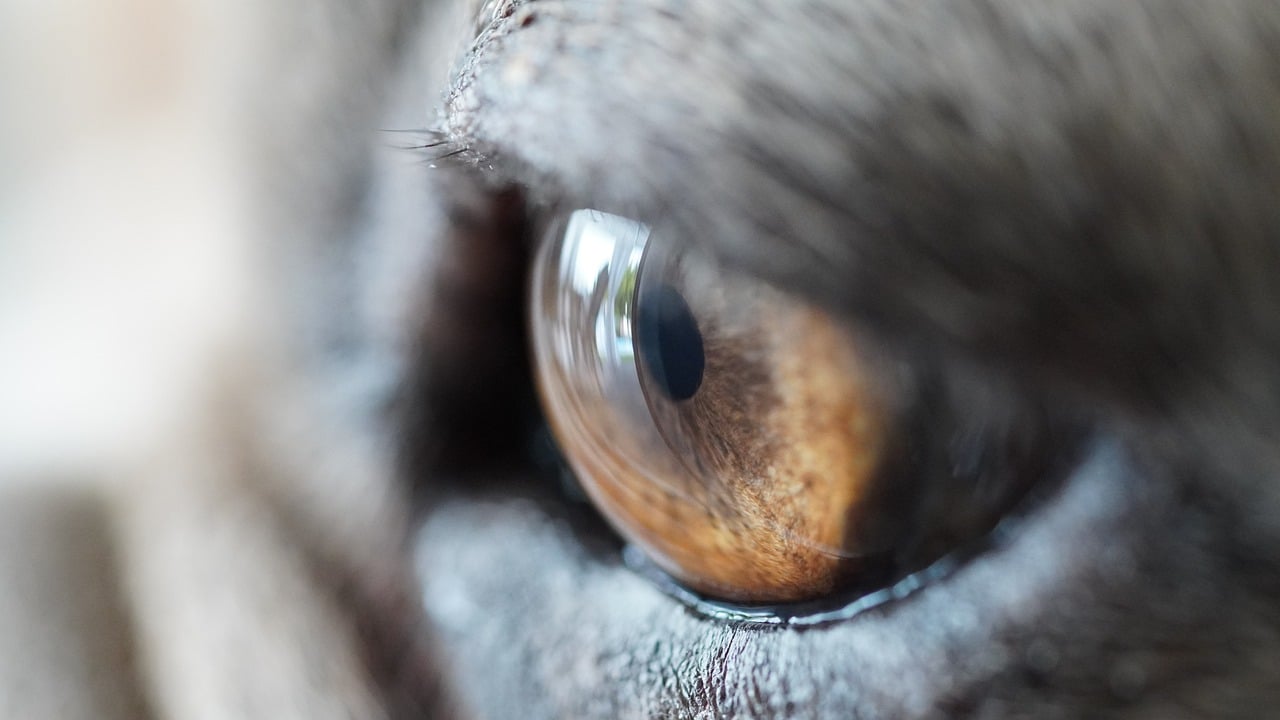

Signs of Vision Loss in Dogs and How to Help Them
As a beloved pet owner, recognizing the subtle signs of vision loss in your dog is crucial for their well-being. Dogs, unlike humans, may not always demonstrate apparent signs when they experience changes in their vision. Therefore, it’s essential to remain observant. Common indicators include frequent bumping into objects, hesitance when navigating stairs, and adapting their behavior to avoid bright lighting. Additionally, you may notice your dog showing less enthusiasm in outdoor activities, such as walks or playing fetch. These behavioral changes can be alarming, but they signify your dog may be struggling with vision issues. Furthermore, if your dog begins to exhibit signs of anxiety when left alone, it could relate to their inability to perceive their surroundings clearly. In tandem, monitor any physical signs, such as cloudy eyes or dilated pupils, which may also indicate potential vision problems. Keep in mind that addressing vision loss promptly is essential for maintaining your dog’s quality of life. With proper care and assistance, many dogs adapt well to vision impairments and continue to lead happy lives.
Veterinarians recommend regular eye examinations to catch any vision issues early on. These exams can help identify problems like cataracts, glaucoma, or retinal atrophy. If your dog is showing signs of vision loss, schedule an appointment with your veterinarian for a comprehensive eye examination. During the evaluation, several tests may be performed, including retinal exams, intraocular pressure checks, and visual function assessments. The results will guide treatment options, ranging from medications to surgery, depending on the diagnosis. Moreover, your veterinarian can suggest lifestyle modifications to help your dog navigate their environment. Adequate lighting is essential, as well as minimizing obstacles that may cause injury. Consider placing mats or carpets in areas where your dog spends time to provide them with stable footing. Additionally, familiarizing your dog with their surroundings and maintaining a consistent environment can enhance their confidence. When addressing your dog’s vision loss, always approach the situation with patience and understanding. Dogs are perceptive creatures and may sense their owner’s anxiety, which can exacerbate their own stress. Emphasize calmness and reassurance as you work together through this challenging time.
Adapting Living Spaces for Vision-Impaired Dogs
As your dog’s vision fades, adapting your living space is vital for preventing accidents and ensuring their safety. The adjustments you make will not only boost your dog’s confidence but will also help them navigate more effectively. Begin by creating a designated area for your dog, where they can feel secure and familiar. Use rugs or non-slip mats to minimize the risk of slipping accidents; this is particularly important in areas like the kitchen or bathroom. Always keep furniture and other household items in the same location to avoid confusion. Additionally, utilize auditory cues to assist your dog in navigating their space. Consider using clickable training bells near doors, which can help communicate when you or your dog are entering or exiting. Providing them with familiar sounds will orient them in your home. Lastly, let your dog know when you are nearby, offering verbal cues and gentle touches to help them feel your presence. By maintaining a consistent environment and engaging in positive reinforcement, you can significantly enhance your dog’s confidence and overall happiness.
Enrichment activities are also essential for dogs experiencing vision loss. Keeping their minds active helps them adjust to their new reality and maintain overall well-being. Engaging their other senses through scent games is an excellent way to provide enrichment. Try hiding treats or toys around your home and encourage your dog to find them using their nose. You could also create puzzle toys that require your dog to solve problems using their sense of smell or hearing. Utilize different textures or noises in toys to provide a heightened sensory experience. Additionally, incorporate auditory games, like teaching them to respond to verbal commands or specific sounds. Maintaining socialization with other dogs and familiar humans can keep your dog engaged. Always monitor their interaction to ensure they feel safe and comfortable. If your dog’s vision impairment causes stress during these activities, be patient, provide encouragement, and allow them to take breaks as needed. Remember that patience is key as your dog adjusts to their new circumstances while still enjoying life and enriching experiences.
Seeking Professional Help
As a devoted pet parent, understanding when to seek professional help for your dog’s vision loss is essential. Always consult your veterinarian whenever you notice any concerning changes or signs of discomfort. They will assess your dog’s condition and recommend the best course of action. If your regular vet lacks eye care expertise, ask for a referral to a veterinary ophthalmologist. These specialists can provide advanced diagnostics and treatment options tailored to your dog’s specific needs. They may suggest medication, specialized therapy, or surgical interventions, depending on the diagnosed condition. Always follow their guidance diligently, as they know the best practices for treating ocular concerns in dogs. Additionally, keep an open line of communication with your vet to discuss any ongoing changes in your dog’s behavior. They can assist you in transitioning to a vision-friendly lifestyle while monitoring your dog’s progress. Remember that your active involvement and dedication contribute significantly to your dog’s comfort and quality of life as they adapt to vision changes, always striving for the best for your cherished companion.
Providing a supportive and love-filled environment plays a crucial role in helping your dog cope with vision loss. Being aware of your dog’s emotional needs and psychological well-being is just as important as addressing their physical health. Dogs are inherently social animals and thrive on interaction with their human companions. When introducing new care routines or adapting their environment, always prioritize your dog’s comfort level. Spend extra time engaging in gentle affection and supportive conversations, reassuring them that they are safe and loved, even amidst changes. Never rush your dog during this adjustment period; instead, allow them to explore and become familiar with their space at their own pace. Positive reinforcement is key; praise them for their efforts in adapting to their environment and encourage them as they take on new challenges. Remember, your emotional connection with your dog will significantly influence their ability to cope positively with vision loss. The patience, support, and love you provide will allow them to thrive despite potential limitations. Together, you can rise to any challenge that vision loss presents in your beloved dog’s life.
Long-Term Outlook for Dogs with Vision Loss
When your dog faces vision loss, maintaining a long-term positive outlook is vital. Vision impairment does not equate to an end of quality of life. With the appropriate lifestyle adjustments and care strategies in place, many dogs can continue to enjoy fulfilling lives. Focus on enhancing their remaining senses, as dogs possess an exceptional sense of smell and hearing. Engage in activities that promote socialization, stimulate their minds, and incorporate safe physical exercises, all while encouraging independence. Social interaction with other dogs and people remains crucial, as it helps provide security and familiarity in their ever-changing world. Furthermore, remain attuned to their changing needs; as their impairment progresses, you may need to continue adapting their living environment and adjusting care routines to suit their evolving condition. Regular examinations and check-ins with a trusted veterinarian are essential to ensure their ongoing health and comfort. Always consider that your dog’s emotional and mental well-being plays a significant role, so nurture their spirit and engage their curiosity through gentle exploration.
In essence, understanding vision loss in dogs is an important aspect of being a responsible pet owner. Your love, care, and proactive approach can make a world of difference in easing your dog’s transition. By recognizing early signs of vision impairment, you’ll be well-equipped to seek professional help, adapt their environment, and implement engaging activities. Collaborating with your veterinarian to determine the best course of action ensures you cater to your dog’s specific needs. Encourage your dog to navigate their space confidently and safely while fostering their emotional connections. Remember that, like many other pet ailments, vision loss requires patience and understanding. Your ongoing support is essential to navigating this change together and enhancing your dog’s overall quality of life. Embracing your dog’s unique journey through vision loss can turn potential challenges into opportunities for closer bonding and happiness. The process requires commitment and hence, ensure to continually provide love, encouragement, and a secure living space. Ultimately, the adjustments you make will positively impact their lives, enabling you both to savor countless memorable moments together.