
Socializing Your Foster Dog: Tips and Tricks
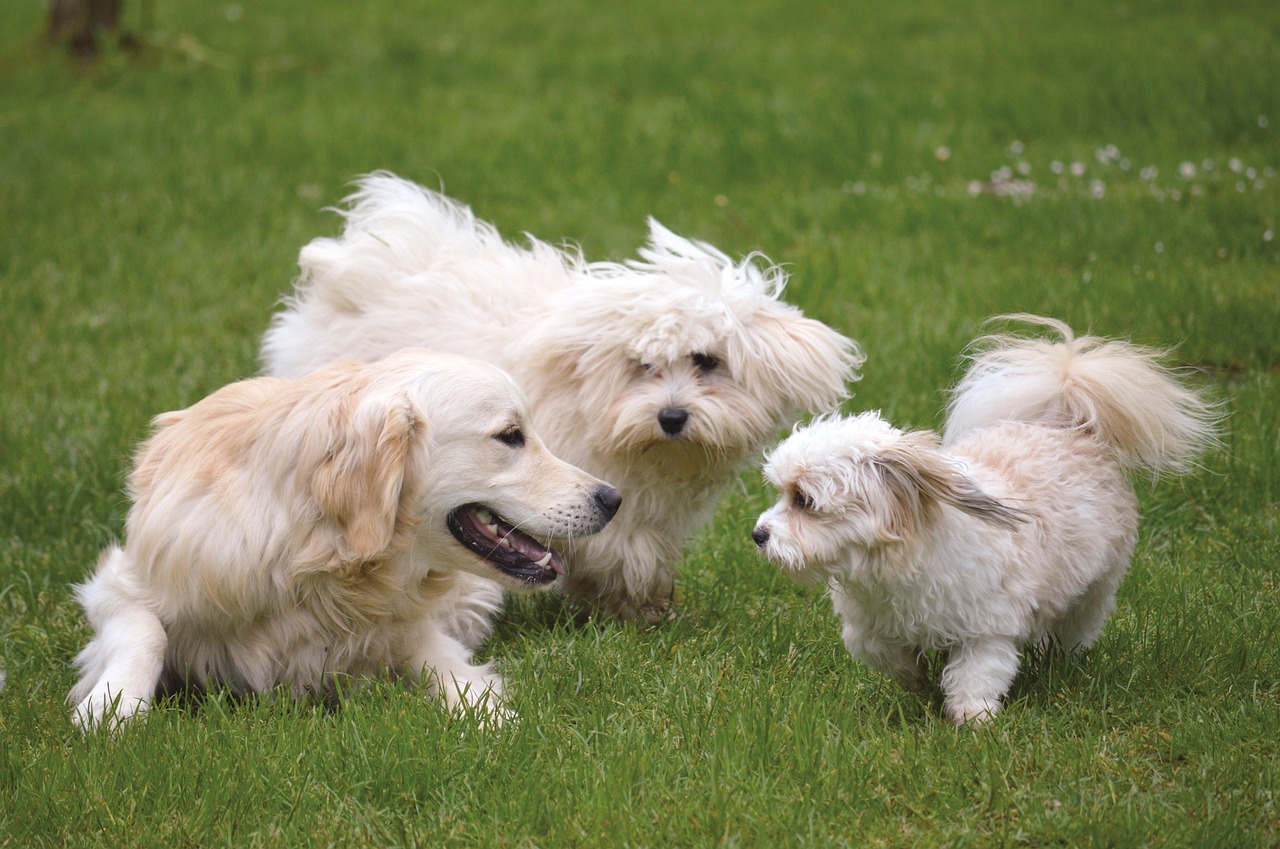
Socializing your foster dog is a crucial step towards ensuring they find a loving forever home. Begin with simple introductions to different environments. Take your foster dog to parks or cafés where they can meet new people and pets. It’s essential to teach them to feel comfortable in varied situations. Make sure to monitor their reactions closely during these interactions. Gradually increase exposure to different stimuli at a pace that suits them while cultivating a positive experience. Always bring treats to reinforce good behavior. Giving praise and rewards helps build positive associations during these outings. Consider enrolling in basic obedience classes where they learn essential commands. These classes also provide a controlled environment for socialization with other dogs. If you can, ask friends or family with well-behaved dogs to visit your home so your foster dog can interact in a familiar setting. This setup can significantly reduce anxiety. Make socialization fun for both you and your foster dog. Consistency is critical; regular practice helps them progress more quickly. Remember that every dog is unique, and patience is key.
As you work on socializing your foster dog, remember to assess their individual needs and personality traits. Some dogs may require a little extra time to warm up to new experiences. For example, shy or timid dogs often benefit from slow, gradual exposure methods. Start by allowing them to observe new situations from a distance before moving closer. Always prioritize their comfort levels and never force them into stressful situations. Additionally, use positive reinforcement techniques to encourage brave behavior. For excitable dogs, activities like fetching or agility play can help them burn off energy and foster good behaviors. Counterconditioning can also be effective; this technique helps modify negative reactions by associating new experiences with something pleasant. Additionally, consider the dog’s physical health; medical conditions may impact their energy levels and social engagement. Regular check-ups can identify any concerns that might hinder their progress. Provide plenty of positive experiences, such as fun outings or enjoyable training sessions. Sharing your knowledge with potential adopters can also aid their socialization efforts. Document progress through photos and notes to track improvements and keep potential adopters informed.
Building Confidence Through Routine
Routine is another vital element in socializing your foster dog. Establishing a daily schedule can significantly help dogs feel more secure and confident. A structured routine typically includes set times for walks, meals, and playtimes. This predictability allows the dog to understand what to expect, diminishing their anxiety in new situations. Introduce daily socialization activities during these regular outings. Incorporate short walks in various locations, gradually increasing the duration as the dog becomes more comfortable. Also, encourage routine visits to the vet or groomer. Controlled exposure to grooming tools can help alleviate fears associated with these processes. Regular interaction with friendly people can help as well, fostering trust in unfamiliar faces. Create a comfortable, safe space at home, such as a cozy crate or corner where they can retreat when feeling overwhelmed. Consistently giving access to this space can provide reassurance during socialization. Be sure to apply patience and understanding throughout these processes. Socialization takes time, especially for shy or anxious dogs. Your dedication can significantly impact their emotional well-being and success in finding a forever home.
Another essential component of socializing a foster dog involves exposing them to various sounds. Dogs, like people, can have different reactions to noises. Some dogs may be startled by loud sounds like thunderstorms or fireworks, while others may not seem affected at all. Begin by introducing your foster dog to various sound frequencies at a low volume, such as playing recorded sounds of household items, machinery, or recorded animal noises. Gradually increase the volume as they acclimate to these sounds, ensuring they remain calm throughout the process. Whenever they show calmness, reward them with treats or praise to form positive associations. Conduct these exercises consistently within the context of their daily routine. Always keep them engaged and relaxed during these sound exposure activities to reinforce positive behavior. Use familiar toys or favorite games during sound exposure to keep them focused and at ease. Additionally, ensure ample opportunities for them to explore different environments as well. Meeting new animals, joining groups, or attending training sessions—all these can enrich your foster dog’s experience and significantly aid their socialization journey.
Incorporating Play into Socialization
Incorporating play into the socialization process is not just enjoyable; it’s also highly effective. Organize playdates with other friendly dogs to encourage natural social behaviors. Observe how your foster dog interacts with others, taking note of their play style and adaptability. Furthermore, engaging in supervised group activities can help them develop essential social skills while having fun. Provide a mix of toys that stimulate various types of play, like fetch or tug-of-war. This diversity keeps both you and your foster dog engaged, promoting bonding experiences that boost confidence. Do not forget to celebrate their small victories during playtime; praising them when they interact positively with others or follow a command reinforces desirable behavior. You can also involve them in agility training with obstacles, enhancing their physical and mental capabilities while building their confidence. It’s essential to ensure a positive environment during these interactions; avoid forcing them into play situations, allowing them to withdraw if they need to. Being attentive to their body language can help identify when they are overwhelmed. The goal is to make socialization enjoyable, leading to a happier and more well-rounded dog.
The environment plays a significant role in the socialization process for your foster dog. Familiarity can provide comfort in new situations, so start training and socialization at home. Ensure that your home is a welcoming place with positive experiences. Encourage family members and friends to participate in socializing by either visiting or engaging in fun activities. When the dog feels secure with familiar people, they become more confident in unfamiliar settings. Gradually transition these safe experiences into external outings in a controlled manner. Opt for quiet places at first, such as quiet parks or canine-friendly stores. Limit exposure to too many distractions while introducing positive reinforcements throughout these outings. Regularly changing the environment is essential to allow them to adapt and build confidence. Ensure their experiences are enjoyable and include opportunities for exploration or interaction with new surroundings. Continuous efforts toward their socialization journey yield long-term benefits. Dogs remember positive and enriching experiences, leading to them developing healthy behaviors later. As a foster caregiver, your primary aim is to equip them with the necessary skills to thrive in their future homes.
Assessing Progress and Being Patient
After all the efforts in socializing your foster dog, it’s essential to assess their progress regularly. Look for behavioral changes, such as increased curiosity toward new experiences or a more relaxed demeanor in stressful situations. Consider keeping a journal to record specific milestones, helping track various socialization aspects over time. This documentation offers insight into their gradual development and identifies areas needing further focus. Understand that setbacks can occur in this journey, meaning you should remain patient and adapt your approach as needed. Recognizing the individual quirks and preferences of your foster dog can often shine light on areas for improvement in socialization. Each dog’s socialization timeline is unique, and progress can differ significantly between individuals. Stay committed to positive reinforcement and tailored activities that cater to their personality. Celebrate small wins and never hesitate to adapt your strategies if required, always aiming to create a supportive environment. With love, patience, and a clear plan, your foster dog will flourish. You’re not only socializing them but also preparing them for a happy and fulfilling life with their future family.
It’s heartwarming to see how fostering and socializing contribute to a dog’s journey. Every interaction, every safe experience, plays a role in their social development. When your foster dog eventually meets their adoptive family, they will bring a treasure trove of experiences with them. Your role as a foster caregiver holds great significance and allows both you and the dog to create lasting memories. Celebrate their growth milestones and enjoy each step along the way. Being part of their story brings a sense of fulfillment that only fostering can provide. As you continue your foster journey, spread the word about the importance of socialization and share your tips with potential adopters. Helping others understand dog socialization is vital in creating happy outcomes for each adopted pet. It’s not just about finding a home; it’s also about preparing dogs for the life they deserve. The importance of socialization extends far beyond their time with you. Support others in your fostering community, and together, you can make a difference for these loving animals in need. Recognize your impact as a caregiver, and cherish every moment you spend with your foster dog.