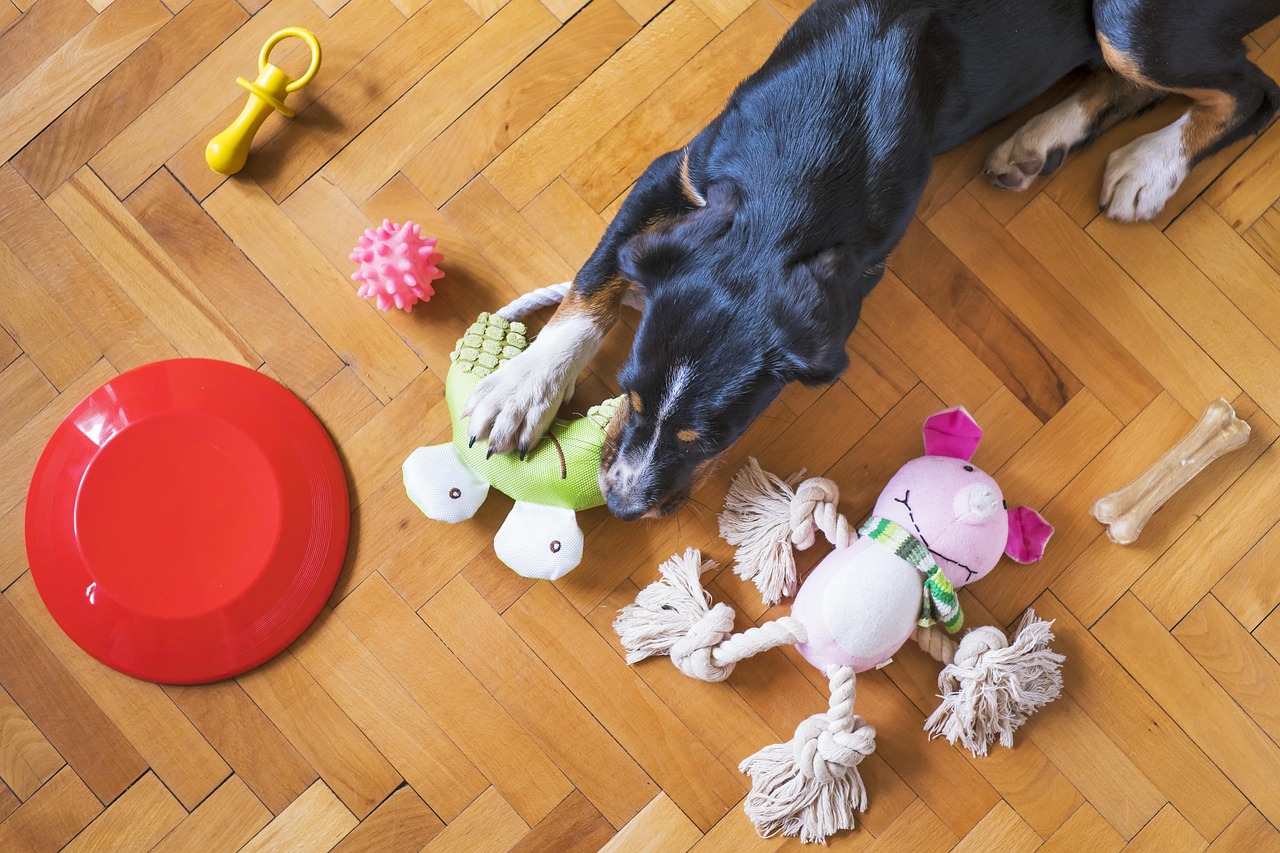

Top Chewing Techniques: How Dogs Use Dental Toys
Dental toys are excellent tools to promote healthy chewing habits in dogs, and they serve multiple functions. Chewing on these toys can help remove plaque quickly, keeping your dog’s teeth clean and their gums healthy. In addition, chewing can relieve stress and anxiety in dogs by providing a constructive outlet for their energy. Dogs often explore their environment through their senses, and chewing helps them familiarize themselves with different textures and shapes. Dental toys typically have unique designs that allow them to efficiently clean teeth while also keeping pets entertained for long hours. Owners should consider the size of the toy relative to their dog’s size, ensuring it is appropriate so that choking hazards are avoided. A variety of textures can also enhance a dog’s chewing experience, promoting better engagement with the toy. The material used in dental toys can vary significantly, impacting durability and effectiveness. Selecting the right dental toy with your dog’s chewing strength in mind is essential, as it substantially influences its longevity and usefulness. Therefore, knowledgeable pet owners should invest time in finding the suitable dental toy for their furry companions.
Moreover, understanding your dog’s chewing style could help significantly in selecting the right dental toy. Some dogs prefer aggressive chewing, while others may be more gentle. Therefore, knowing your dog’s preference can steer you toward durable toys that can withstand stronger bites. Hard rubber dental toys are ideal for tough chewers, as they are designed to be durable and provide oral health benefits. These toys often have ridges and nooks, which help clean teeth and massage gums. Additionally, softer toys might be more suitable for dogs that are older or have dental sensitivity. In this case, toys made from softer materials still offer benefits without risking dental injury. Moreover, varying the types of dental toys that your dog chews can provide mental stimulation and prevent boredom. Dog owners might change the toys regularly to keep their pets engaged. Some toys are even designed to be filled with treats, combining playtime with a rewarding experience. Therefore, it’s essential to provide your dog with several options to determine the best preference that fits their chewing habits while still maintaining their dental health and overall happiness.
Benefits of Chewing on Dental Toys
Chewing on dental toys offers numerous benefits beyond just dental health. They aid in reducing plaque buildup, which significantly decreases the risk of periodontal diseases. Regular chewing can also stimulate salivary production, contributing to better digestion. Furthermore, these toys can serve as an excellent distraction during stressful periods or when the dog is left alone. Chewing can effectively alleviate anxiety by providing a focus for pent-up energy. Many dog owners attest to the calming effects of dental toys, particularly during thunderstorms or fireworks. Additionally, incorporating dental toys into playtime routines improves bonding between the pet and owner, further enhancing the dog’s emotional well-being. Variety is also key; interactive toys encourage dogs to think and strategize, offering mental stimulation essential for their development. Furthermore, bright colors and fun shapes can visually attract dogs, making the experience more enjoyable. Owners can even join their pets during playtime to strengthen the bond further. By creating these engaging activities, dog parents not only enhance their dog’s health but also establish routines that foster stronger relationships, reinforcing trust and affection between them.
When selecting dental toys, awareness of the various materials available is crucial for the dog’s safety. Some materials may be harmful if chewed and ingested, so reviewing product labels for safety standards can benefit owners. Top-quality dental toys often have certifications that ensure they are non-toxic and durable. Additionally, many brands offer toys specifically engineered for certain dog sizes and chewing strengths. This customization helps to target the unique needs of different breeds, ensuring that each pet gets suitable dental care. Pet stores are increasingly stocking more brands that focus on dental health, adding options for discerning pet owners. Online reviews can also guide owners toward understanding how other dogs have benefited from specific dental toys. In some cases, consulting with a veterinarian about dental care products for your dog can provide additional insights. They can offer advice on the best brands designed to support dental health, making informed purchasing decisions. With all this information, owners can confidently select toys that protect their pets’ dental hygiene while ensuring they have fun and engaging alternatives for chewing.
How to Introduce Dental Toys to Your Dog
Introducing dental toys to your dog should be a gradual process to foster positive associations. Initially, presenting the toys during play sessions can create exciting experiences linked to their usage. You may start by holding the dental toy in your hand, allowing your dog to sniff and investigate it before letting go. This can pique their curiosity and encourage exploration. Showing how to use the toy by chewing or playing with it can also help clarify its intended function. Using treats or food may add value to these toys, as they can enhance interest and engagement. However, provide supervision at the beginning to minimize the risk of complications, especially with new chew toys. If your dog is hesitant, allowing them to become accustomed to the toy gradually will yield better results. The process may take time, and it’s essential to remain patient throughout. If the dog shows signs of excitement or interest, rewarding that behavior can reinforce positive engagement. Thus, building positive habits while integrating dental toys into their routine helps dogs see them as beneficial rather than merely items to chew on aimlessly, reinforcing their dental care.
Another critical consideration is monitoring the condition of the dental toys over time. Regular inspection can ensure they remain safe for long-term use. Chewing can result in wear and tear, causing bits to break off or develop sharp edges that could harm your pet. If any signs of wear become evident, it’s best to replace the toy immediately. Keeping a selection of toys on hand allows you to rotate them, which not only prevents excessive wear on any single toy but also keeps your dog engaged. Taking note of how the dog interacts with them can help inform future purchases as well. Pay attention to any preferences they show for various styles or textures. Occasionally, finding new dental toys can introduce fresh stimulation and challenge them in a healthy way. Ultimately, ensuring active supervision during use helps maintain safety while enhancing their pleasure. By being vigilant about replacing old or damaged toys, owners can ensure their pets have enjoyable play experiences that support their overall dental health and happiness while avoiding potential risks associated with poorly maintained products.
Conclusion: Best Practices for Using Dental Toys
In conclusion, dental toys play a vital role in maintaining your dog’s dental hygiene and overall wellbeing. Regular use of these toys can prevent dental issues while providing mental and physical stimulation. Paying attention to your dog’s preferences is key to selecting the best options, ensuring a positive experience for both pet and owner. Varying your dog’s dental toys will keep them excited and engaged, prolonging play sessions. Additionally, monitoring the deterioration of the toys supports safe play, allowing owners to remain proactive in ensuring their pet’s health. Seeking advice from professionals regarding product recommendations can enhance informed decision-making. This approach solidifies the pet-owner bond, as they participate in the dog’s daily health routine actively. Lastly, understanding optimal ways to introduce dental toys can enhance your dog’s experience, preventing aversion. By combining knowledge about dental toys with proactive engagement styles, dog owners can foster better dental health outcomes. Ultimately, a well-planned routine that includes dental toys can ensure your dog’s happiness while promoting effective oral care practices, resulting in a healthier and more joyful companion for years to come.
Integrating dental toys into your dog’s life should be viewed as an essential step in comprehensive pet care. Beyond simply providing entertainment, these toys serve multiple health benefits that prove invaluable to dogs of all ages and breeds. When owners commit to providing quality dental toys while actively engaging and observing their pets’ habits, they subsequently set the stage for a healthier, happier canine.