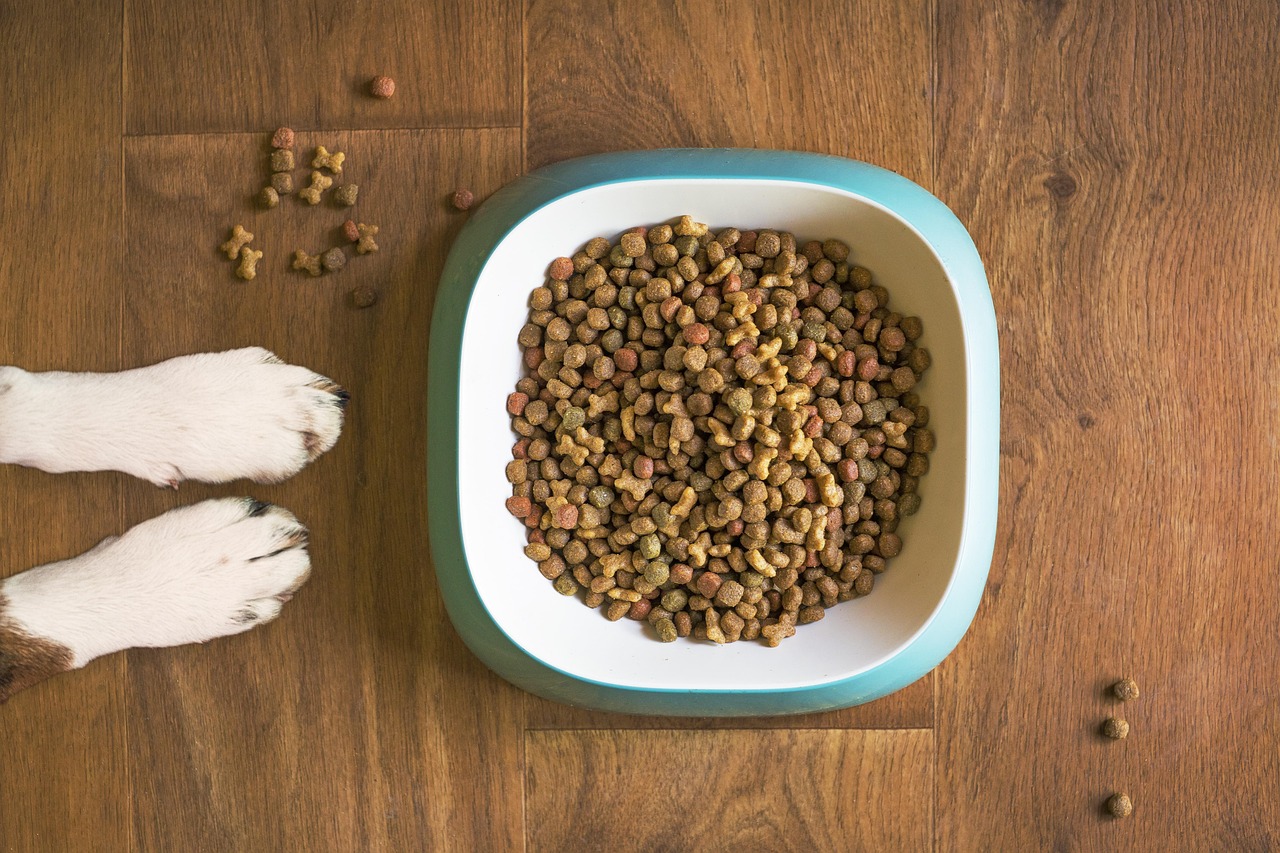

Feeding and Training: Managing Food Allergies and Sensitivities
Training a dog requires not only patience but also an understanding of their dietary needs, especially if they have food allergies or sensitivities. Identifying allergens in your dog’s diet is crucial before beginning any training regimen. Common allergens include wheat, soy, dairy, and certain proteins. It is advisable to consult with a veterinarian to keep your dog’s health in check. Avoiding allergens during training can prevent digestive upset, leading to a more efficient learning experience for your pet. Implementing a restricted diet can help pinpoint specific foods that cause reactions. When you find your dog’s safe foods, strategically use these during training sessions. This encourages positive reinforcement and avoids discomfort. Remember that some dogs might be sensitive to certain textures or flavors, not just ingredients. If your dog has exhibited signs of allergies, such as itching or gastrointestinal distress, take those seriously. Discuss alternatives and food options with a veterinarian. You want your dog to feel good to learn effectively. Adjustments in diet can significantly benefit the training process and strengthen your dog’s focus during sessions, promoting a successful training journey.
Once you’ve identified safe foods for your dog, it’s important to understand how to incorporate these foods into the training process effectively. Timing and organization are key factors in using food as a reward. Training sessions should coincide with your dog’s feeding schedule to optimize his performance. When using treats, make sure to keep them small but enticing, as large treats could be counterproductive by affecting your dog’s appetite for dinner. Use a variety of safe treats to maintain your dog’s interest and enthusiasm during training. High-value treats can often include items like small pieces of cooked chicken, turkey, or specialized training treats. Make sure that the treats chosen do not coincide with allergens. Keeping your dog motivated will help him to focus on learning. You should also observe your dog’s responses to various foods. A positive reaction indicates a successful choice, while an adverse reaction would mean another adjustment is necessary. Remember to observe portion control even with treats; offering too many can lead to obesity. Balancing feeding during training will foster an engaging environment conducive to learning and strengthening your dog’s skills.
Understanding Food Sensitivities
Dog food sensitivities vary significantly among individual animals. Some dogs may exhibit sensitivity to specific ingredients, while others might react to preservatives or fillers found in commercial dog foods. Understanding these sensitivities is a crucial step in managing your dog’s health and training effectiveness. Observing your dog for any allergic reactions is essential. Symptoms can manifest as itching, gastrointestinal issues, or behavioral changes during training sessions. Keeping a journal or log of your dog’s reactions to different foods and treats can help identify problematic items. A gradual introduction of new foods is often a wise approach. Any new treat should only be added one at a time, allowing sufficient time to observe for reactions. Consider implementing a food elimination trial under veterinary guidance to pinpoint the sensitivity’s source. Once identified, you can tailor training treats to fit your dog’s dietary requirements. This attentiveness not only helps your pet feel better physically but also ensures they perform at their best during training sessions. Encourage consistency in your dog’s diet, as this steadiness can foster comfort and confidence, allowing for smoother training interactions.
In training scenarios, the emotional state of your dog is just as important as their physical state. Food allergies and sensitivities can lead to discomfort that affects a dog’s willingness to participate. A dog that feels unwell may be less likely to respond positively to commands or engage fully during training. It’s crucial to monitor their behavior closely throughout the process. Always ensure that any training sessions are set in a positive environment. This may include familiar surroundings and comfortable training times. Using their favorite safe treats can create a more enjoyable experience, positively influencing your dog’s psychology. Positive reinforcement is the best tool for encouraging desired behaviors. Consistency in rewards, both in timing and type, will develop your dog’s habits better. If you notice hesitation or reluctance, reassess the rewards given and even the overall training method being used. Eventually, maintain open communication with your pet. Engaging positively can uphold their emotional stability and strengthen your bond. Each dog is unique, and adjusting strategies to fit their personalities and needs will help ensure effective and stress-free training.
Choosing the Right Training Treats
The selection of appropriate training treats is vital when addressing food allergies or sensitivities in dogs. Many pet owners might overlook the significance of treats, but using the wrong options can lead to adverse reactions and ineffective training. Always check ingredient labels to ensure safety. When selecting treats, prioritize all-natural and hypoallergenic options. There are several dog food brands specializing in allergy-friendly products. These brands focus on high-quality ingredients, minimizing the risk of reactions. Look for single-protein sources or grain-free options to help lower the chance of exposure to allergens. Additionally, homemade treats can be an excellent alternative for controlling what goes into your dog’s diet. Simple recipes that involve safe ingredients can be made easily and allow you to tailor the treats to your pet’s specific needs. Preparing these treats at home ensures you know every component of what your dog consumes during training. Make sure that your training treats are desirable enough to capture your dog’s attention but still healthy. This balance will promote effective training without risking your dog’s health.
Incorporating variety into your dog’s training treats can make a significant difference in maintaining engagement. Monotony can lead to boredom, thus negatively impacting training sessions. Experiment with different safe ingredients to keep your dog interested and responsive. Combine scents, flavors, and textures in different training treats while ensuring they remain allergen-free. Natural options can include meats like chicken or turkey, fruits like apples or blueberries, and veggies like sweet potatoes or carrots. Giving choices during training can empower your dog and increase their focus. Dogs often respond better when they have options and when they know what to expect. Incorporating scent games with food rewards can also be a fun twist that reinforces the skills learned during training. This addition stimulates your dog’s mind and keeps them engaged in fun ways. Always ensure that your dog is eager and responsive to the choices provided. The more invested your dog feels in the training process, the more successful the sessions will be. Enhancing the training process through diverse treat options ultimately promotes a joyful and fulfilling experience for both dog and owner.
Gradual Changes and Monitoring
When addressing food allergies or sensitivities, gradual changes are vital for your dog’s diet and training regimen. Abrupt shifts can lead to discomfort, leading to negative associations during training. Begin by slowly integrating one new treat at a time, giving your dog time to adjust. Gradual changes are equally applicable to adjustments within feeding schedules. Not all dogs adapt swiftly to dietary changes, hence monitoring their reactions in both the short-term and long-term is essential. Consistent observations will allow you to recognize any gastrointestinal distress, skin irritations, or changes in behavior. Having regular veterinary check-ups can help ensure any chronic issues are addressed early. Furthermore, consulting a veterinarian about the training plan can provide additional guidance and peace of mind. Every dog is an individual, and the more attentive you are, the better your approach will be tailored to fit their needs. By creating gradual transitions in diet and monitoring their reactions, you can promote a better training experience tailored to both learning and their well-being. This focus creates a strong foundation for successful training and happier pet ownership.
Ultimately, managing food allergies and sensitivities in combination with training requires a strategic plan and an understanding of your dog’s specific needs. Providing a safe environment during training is paramount for fostering positive behaviors. This includes both nutritional safety and emotional security. Regularly reinforce learning through safe, enjoyable treats. Positive reinforcement should always be the cornerstone of any dog training. Collaboration with your veterinarian throughout this process is critical, as they can provide valuable advice tailored to your dog’s history and needs. Create a feeding and training plan that respects their sensitivities while promoting effective learning. Gradual introductions and constant observation can help in fine-tuning the approach. Remember that each dog has their unique personality, and what works for one may not work for another. Success in dog training comes from commitment, understanding, and adaptability. Remaining flexible as you adjust the training techniques or dietary choices is important. Trust the bond you build with your dog will form a solid foundation upon which effective training and a healthier lifestyle can flourish. Enjoy the rewarding journey of shaping your dog’s behavior while ensuring their happiness and health.