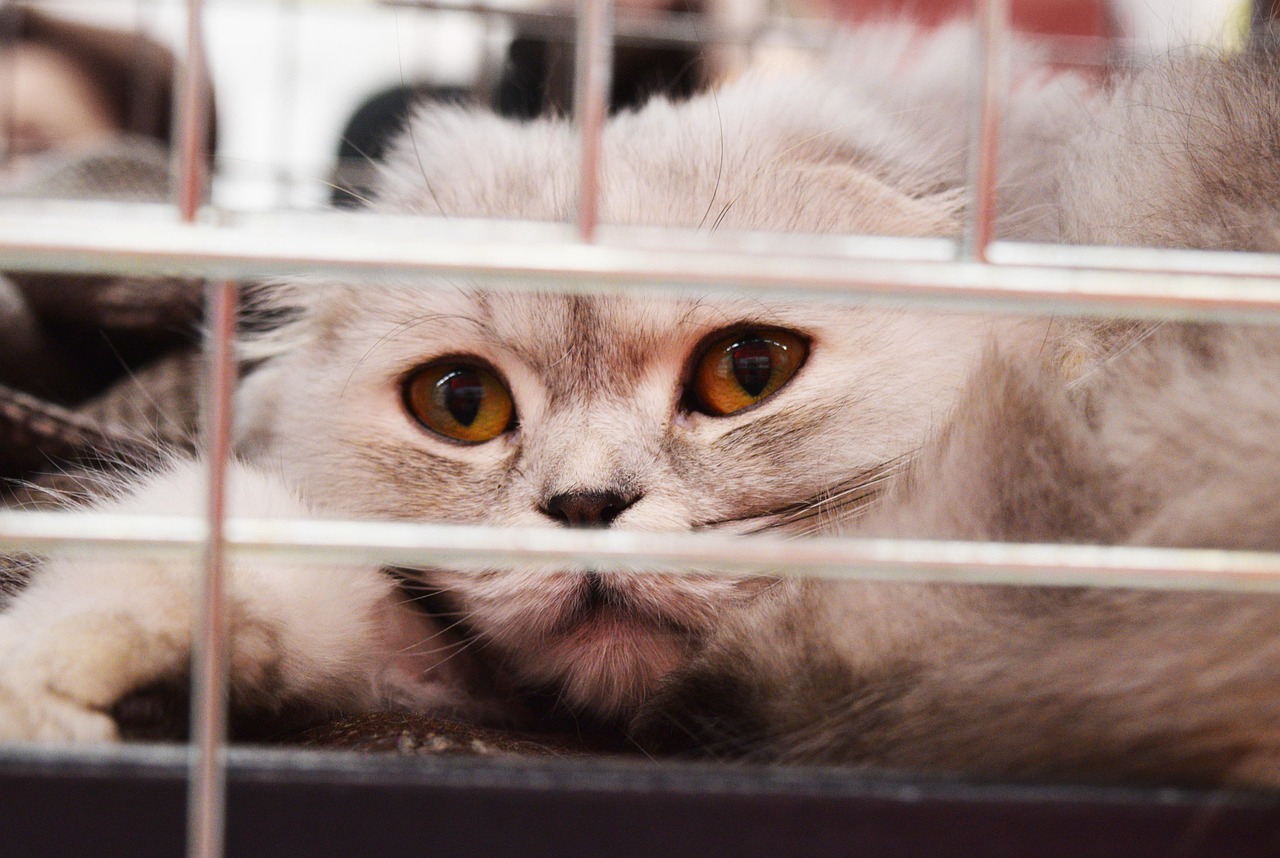

How Shelter Design Influences Cat Socialization Success
Cat socialization is essential for their well-being, especially in shelters. It significantly impacts their ability to interact positively with humans and other animals. A well-designed shelter can facilitate effective socialization, fostering growth in fearful and timid cats. Shelters that incorporate natural light, space, and quiet areas allow cats to acclimate to human interaction steadily. This environment can enhance the opportunity for staff and volunteers to engage the cats, ensuring a positive experience. By promoting a less stressful atmosphere, cats feel safer and more secure, which leads to better socialization outcomes. Additionally, multi-level structures or enriched environments provide exploration opportunities while enabling them to retreat to safe zones when needed. Felines tend to develop trust in humans faster when they have a comfortable nook to observe from. Creating a playful ambiance, including scratching posts and climbing structures, contributes to increased interactions and reduces stress levels. Furthermore, by designing spaces that promote uncertainty reduction, both short and long-term residents can experience improvement in behavior as they wait for their forever homes.
Various factors contribute to a cat’s ability to socialize successfully within a shelter setting. One of the key aspects is the layout of the shelter itself. Shelters must implement open layouts that allow for ease of movement, minimizing barriers that might intimidate shy cats. Spaces designed for cat-to-cat interaction also aid greatly in socialization and help build companionship among the residents. Common areas should encourage positive interactions without forcing them, allowing cats to approach or retreat according to their comfort levels. The strategic placement of enrichment activities can also foster social behavior. More importantly, creating a calm atmosphere where distress from noises is minimized plays a pivotal role in tranquillity within the shelter. For instance, sound-absorbing materials can help reduce stress by muffling external disturbances. Moreover, visual barriers within shared spaces inhibit territorial behaviors, promoting friendly relationships instead. Observing successful groups can aid in defining strategies for others with slow socialization processes. Positive reinforcement training can increase successful interactions, helping shelter caregivers become facilitators in this essential developmental aspect.
Active socialization programs can be a game-changer in improving cat behavior in shelters. Regular interaction with both staff and potential adopters can help ascertain which cats are more adaptable to home environments. Incorporating a standard approach to introducing cats to visitors and other animals can streamline the socialization process. Staff should be trained to read feline body language, understanding when a cat is apprehensive or open to interaction. Creating structured playtimes can also encourage socialization and build trust with humans. Furthermore, community engagement through outreach programs can introduce cats to the broader public. The collective effort fosters interest in adopting, showcasing their personalities while still focusing on positive introductions. Social media can provide a powerful platform to highlight the unique behaviors and characteristics of shelter cats, furthering the goal of evoking interest in adoption. Live virtual meet-and-greets can also serve as avenues to prime potential adopters before visits, increasing familiarity with participating animals. This essential part complements physical space design, allowing for broader socialization success as the cat’s familiarize themselves with various human interactions.
Importance of Enrichment
Providing enriched environments is pivotal for successful socialization in shelter cats. An enriched setting combines physical, mental, and sensory stimuli to boost morale and strengthen behavioral skills. Features such as interactive toys, play areas, and varied climbing surfaces make a significant difference. These resources help alleviate stress while encouraging natural play behavior necessary for socialization. Cats thrive in dynamic environments, which also aids in developing their coping mechanisms. Social engagement through staff-led interactive sessions showcases their playful side and demonstrates their personalities more aptly. Having multiple engagement opportunities correlates with a decline in stress-induced behaviors, leading to healthier interactions with visitors. Furthermore, rotating toys regularly can keep the environment stimulating and alleviate boredom, improving overall moods among residents. Perry groups can be established for communal play, increasing confidence and reducing fear, which can assist in forming positive relationships eventually. Enrichment serves dual purposes by keeping cats engaged while also preparing them for life in a home setting. Such initiatives within shelter designs ultimately result in improved outcomes for cat adoptions as residents become more socially adept and open to human companionship.
Cat shelters must prioritize utilizing sound design strategies to create optimal socialization outcomes. Acoustic design employs various techniques to mitigate environmental stressors. Earmuff-like structures to limit sound levels can help stabilize a cat’s nerves within the shelter’s confines. Sound therapy infused with gentle music could further develop a peaceful ambiance, aiding in stress reduction. Blending these components within the structural design assists cats in navigating potent emotional challenges faced during their stay. A sensory garden with calming sound features promotes a reduced alert state for felines, thus improving the chances of achieving pro-social behaviors efficiently. Shelters can create specialized “quiet zones” where cats can retreat when feeling overwhelmed, thus promoting positive coping strategies. The interaction between sound management and other social elements shapes cats’ adaptability levels. Moreover, lowering noise levels during peak visiting hours can shield sensitive cats from anxiety, allowing them to interact positively with less fear. Adapting the design for acoustics aids greatly in creating an inviting atmosphere conducive to beneficial social experiences between felines and humans, showcasing a deep understanding of their needs.
The role of proper lighting in shelter design plays a crucial role in cat socialization success. Soft, natural lighting can diminish anxiety levels while enhancing visibility for humans and cats alike. Studies have shown that brighter environments foster increased levels of interaction, leading to social engagement and healthier behaviors. Ambient light fixtures that mimic day cycles help regulate circadian rhythms, having a profound impact on mood. Cats require healthy sleep cycles and natural behavior stimulation to thrive in their environment. Designing with color psychology in mind can also create a welcoming atmosphere, as certain colors induce feelings of calm and relaxation. Natural light sources through windows contribute to overall well-being and promote activity, as it influences a cat’s natural tendencies to explore. Consider positioning lounging areas near natural light sources to promote comfort during exploratory endeavors. Proper lighting arrangements encourage more visitors to interact pleasantly with residents, contributing positively to social experiences. This visual appeal serves a dual purpose, a practical need met through comforting aesthetics and dynamic interactions that enrich cat-related experiences during their stay in the shelter.
Conclusion: Towards Better Design
Cat socialization within shelters is an interconnected process interwoven with the physical environment. Each aspect of shelter design holds significant influence over outcomes in terms of adaptability and behavioral improvements. Consideration must be given to layout, enrichment offerings, sound management, and lighting implementations, all contributing positively to fostering healthier feline-human interactions. By actively prioritizing these features, shelters can work towards creating spaces that support all aspects of feline behavior, thereby improving their candidacy for adoption. Future developments in shelter design must aim to enhance empirically-backed methodologies for socialization benefits comprehensively. Each cat is unique, with varied needs and preferences when it comes to socialization. Strategies need to be evaluated, adapted, and iterated as best practices evolve. Collaboration among animal behaviorists, shelter staff, and designers is paramount to making this a reality. Leveraging new technologies could further drive innovations in design and approaches. The profound effect of environmental modification is vital, significantly impacting the longevity of a cat’s stay in a shelter. A well-balanced environment will ultimately translate to successful socialization, showing the power of good design in guiding cats towards their ideal family homes.
The impact of good shelter design on socialization may result in a life-changing opportunity, paving the way for better outcomes for both cats and potential adopters alike. Leveraging collective expertise from various disciplines can create an optimal experience. Community awareness on the importance of shelter design can enhance public sentiment towards cat rescue efforts. Through education, the message surrounding the significance of design for social outcomes can inspire greater advocacy. Additionally, fostering partnerships between designers and animal welfare organizations could innovate approaches to shelter designs that prioritize feline socialization. Building collaborative efforts can lead to comprehensive connections that directly impact the well-being of adoptable cats. Such initiatives can also assist in establishing standards that guide future shelter developments globally. Ultimately, awareness about the necessity of thoughtful design in enhancing cat socialization breakthroughs to create improved physical spaces where felines feel secure, cared for, and loved. The synergy between shelter environments and socialization success fosters an inclusive community that recognizes the value of all life. With these positive developments, shelter cats can look forward to transitioning swiftly into loving families, leading fulfilling lives.