
How to Manage Tartar and Plaque Build-Up in Dogs
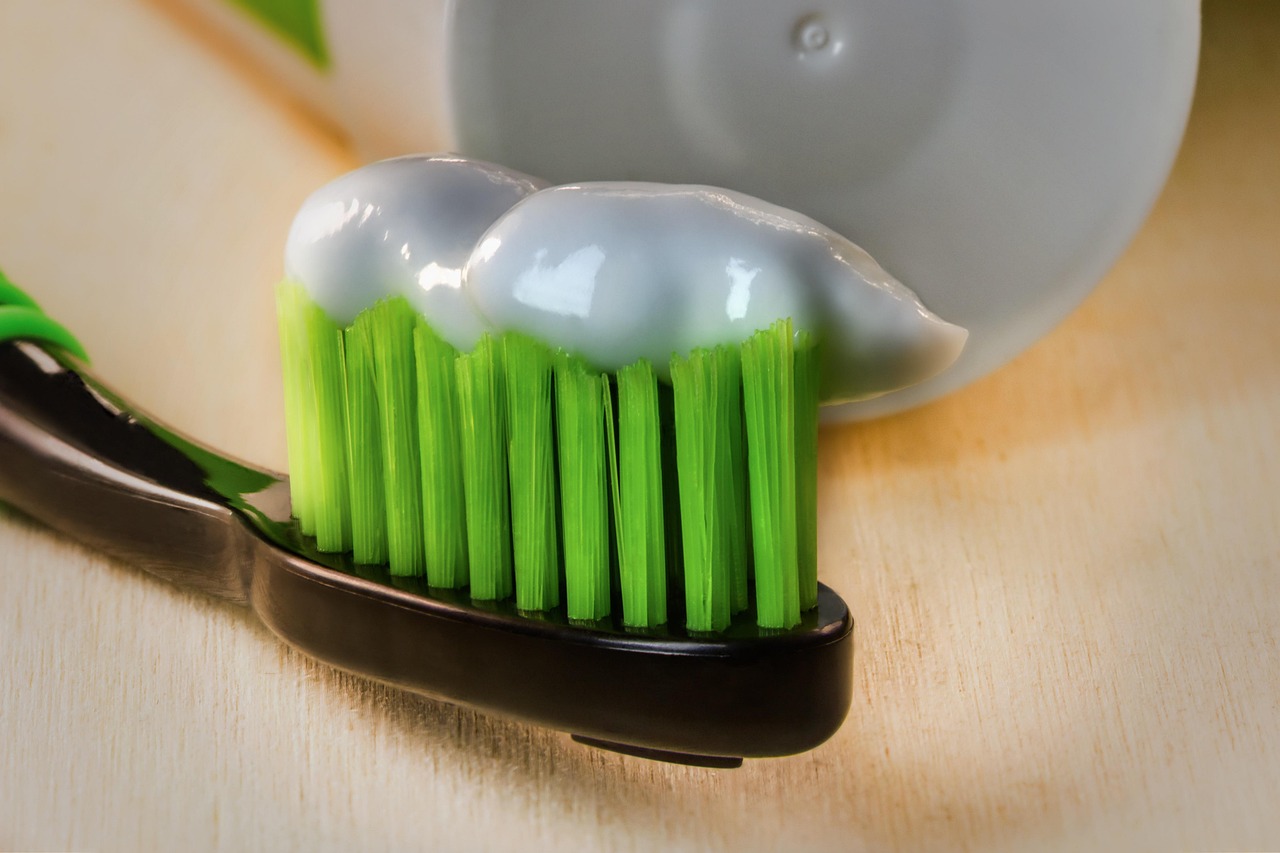
Maintaining proper dental hygiene is essential for the overall health of dogs. Plaque and tartar build-up can lead to severe dental issues, impacting a dog’s well-being. One of the most effective techniques is regular tooth brushing, using toothbrushes specifically designed for pets. Use a toothpaste formulated for dogs; never use human toothpaste, as it can be harmful. Begin by allowing your dog to taste the toothpaste to get accustomed to it. Make brushing a positive experience by giving plenty of praise and rewards during and after the process. Continuing with brushing at least two to three times a week can prevent plaque accumulation. Additionally, consider varying your dental care through dental chews and toys. These can help in mechanically cleaning the teeth, which complements regular brushing. Providing fresh water consistently is vital as well, as it washes away food particles and bacteria, reducing the likelihood of plaque formation. Pay regular attention to your dog’s dental health, as early intervention is crucial in preventing more serious problems in the future. Regular veterinary check-ups that include dental cleanings are highly recommended for optimal oral hygiene.
Signs of Dental Issues in Dogs
Recognizing early signs of dental problems in dogs can help prevent severe health issues. Look for symptoms such as bad breath, which is more than just an unpleasant odor. It signifies bacteria and decay in the mouth. Additionally, check for excessive drooling, loss of appetite, or discomfort when eating. If your dog is pawing at their mouth or exhibits behavioral changes, these may indicate pain or discomfort associated with dental distress. Another key indicator is bleeding or swollen gums. During your dog’s regular oral checks, examine their gums for any abnormalities. Make sure to observe the color should be bright pink. Tartar can cause gum disease, leading to more significant issues over time. As dogs age, they may develop dental problems more frequently, so it’s crucial to maintain regular dental care as they mature. Sessions with a veterinarian for dental health reviews are important as they can assess your pet’s mouth correctly. If you notice anything unusual, seek veterinary advice promptly to address potential issues before they escalate further. Taking swift action can make all the difference in your dog’s dental health.
Apart from routine brushing, incorporating dental treats into your dog’s daily regimen can significantly improve their oral health. There are various options available on the market, including treats specifically designed to fight plaque and tartar. Look for those examined and approved by the Veterinary Oral Health Council (VOHC). These treats not only appeal to your dog but also serve a practical purpose in cleaning their teeth as they chew. Integrating this dental treat into the routine can encourage self-care and serve as an enjoyable activity for your pet. It’s important to balance treats with proper nutrition; examine ingredients to avoid excessive fillers or harmful additives. Regular dental treats can become part of easily established behavioral patterns. If your dog enjoys chewing, you might also consider dental chews or toys, designed to provide abrasion on the teeth while chewing. Proper maintenance of your dog’s oral health actively prevents dental disease. Don’t forget to supervise your pet while they are enjoying these items to prevent any choking hazards. It’s a fun and effective way to support a consistent dental hygiene routine.
Professional Dental Cleanings
Enlisting the help of a veterinarian for professional dental cleanings is an essential step for maintaining oral health in dogs. Even with a consistent at-home dental regimen, tartar can build-up in hard-to-reach areas. This is why regular cleanings become critical, ideally once a year or as advised by your vet. During these sessions, the veterinarian will conduct a thorough examination of the mouth. They will scale the teeth, removing tartar and plaque that may have accumulated. Additionally, the vet will check for signs of gum disease or loosened teeth. Depending on the dog’s overall health, extractions may be necessary to prevent further discomfort. Anesthesia is often used to safeguard the dog’s safety and ensure a comprehensive cleaning. Post-cleaning, it is essential to follow your veterinarian’s advice regarding aftercare and at-home dental maintenance. Adhering to a professional cleaning schedule maximizes your dog’s dental health, helping to prevent serious health problems that may necessitate more intense interventions. Establishing this routine provides peace of mind while investing in your dog’s healthensure their quality of life remains high.
In addition to brushing and professional cleanings, consider using water additives that promote dental hygiene. These products can be mixed with your dog’s water, helping to reduce plaque without requiring an extra step in your routine. They’re an excellent option for dogs that are uneasy about having their teeth brushed. Look for water additives that contain safe and vet-approved ingredients. Regular use of these products can make a noticeable difference in maintaining oral health. They often include enzymes that target bacteria effectively while being harmless to your pet. It’s essential to consult your veterinarian before incorporating any new product into your dog’s regimen to ensure it fits your pet’s specific health needs. Awareness of dissatisfaction may also indicate the need for potential alternative methods in the future. Further, keeping your dog’s diet focused on nutrient-rich ingredients supports structural health in teeth and gums. Avoid overly processed foods to decrease the buildup of plaque. A healthy balanced diet acts as a foundation for overall wellness, encouraging both strong teeth and vigorous health across the board. Evaluating your dog’s diet allows additional fine-tuning, promoting maximum oral health.
Keeping Oral Bacteria at Bay
Managing the bacteria that naturally dwell in your dog’s mouth is vital for preventing dental disease. Some bacteria are naturally occurring and essential for digestive health, but when they proliferate unchecked, they may lead to issues. Feeding your dog a diet rich in antioxidants can help counterbalance harmful bacteria in their mouth. Furthermore, ensure your dog stays hydrated; dehydration can contribute to bacterial growth. Change your dog’s water daily, keeping it fresh to encourage him to drink more. Encouraging chewing behavior can help naturally control oral bacteria; dental toys can be effective in this regard. It is also important to limit sugary treats as they can feed harmful bacteria. Regular interactions during these activities can create a bonding experience, reinforcing positive behaviors. Also, be mindful of your surrounding environment; cleanliness of dog bowls and toys also reduces bacteria. Dishware needs to be adequately clean to avoid potential health hazards. Sterilizing materials periodically helps control bacterial growth and ensures a safe environment for your pet. All these measures contribute collectively toward managing and reducing harmful bacteria in your dog’s mouth.
In conclusion, managing tartar and plaque build-up in dogs is an ongoing effort that requires consistency and care. A multitude of strategies exists, from regular tooth brushing to professional cleanings and the use of dental treats. Each method plays a part in ensuring that your dog maintains a healthy, clean mouth while reducing the risk of serious dental diseases. Early intervention is pivotal when monitoring your dog’s dental health, so recognizing signs and symptoms is equally important. Moreover, regular discussions with your veterinarian about oral care can help tailor a specific program to fit your dog’s individual needs. With a dedicated dental care routine, you can transform dental hygiene into an enjoyable activity that benefits both you and your dog. The bond you share while caring for their health can enhance your relationship. By remaining vigilant and committed to this important aspect of dog care, you contribute not only to your dog’s dental health but to their overall happiness. The effort truly pays off as your dog continues to live a healthy and joyful life, free from the discomfort of dental issues.