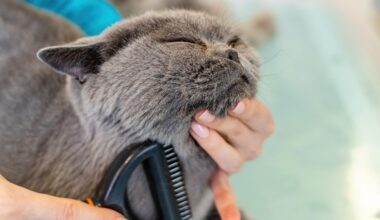

The Future of Cat Insurance Markets in Emerging Economies
As economies evolve, the demand for pet insurance, particularly cat insurance, grows significantly. In various emerging markets, changing lifestyles and increased disposable incomes contribute to this trend. Cat owners are increasingly recognizing the need for financial protection against unexpected veterinary expenses. Veterinary costs can be high, making insurance a viable option for many. Cat insurance offers peace of mind for owners, as it covers everything from routine care to emergencies. However, the availability and acceptance of such insurance vary widely across countries. Different cultural attitudes towards pets heavily influence insurance adoption rates. For instance, countries with a historical affinity towards pets generally see higher penetration of pet insurance. On the other hand, nations that view pets primarily as utilitarian animals exhibit lower market engagement. Education and awareness about cat insurance are pivotal in these regions, encouraging potential buyers. Consequently, marketing strategies must be tailored to local sensibilities to effectively promote such insurance products. Increasingly, insurance companies are exploring innovative offerings to cater to this emerging segment, ensuring pet owners receive comprehensive coverage tailored to their unique needs.
Rising Trends in Cat Insurance Globally
Globally, there is a notable shift towards recognizing pets as family members, particularly among millennials and Gen Z. This creates a fertile ground for cat insurance markets to thrive. The increasing number of cat adoptions during the pandemic has led to a surge in demand for pet insurance. Owners seek coverage ranging from basic health care to extensive policies that cover advanced treatments and procedures. The trend is evident in countries like Brazil and India, where rapidly expanding middle classes are more inclined to invest in pet health. Marketing strategies that focus on educating pet owners about the benefits of insurance are becoming essential. This involves direct engagements like community outreach, online webinars, and pet events to raise awareness. Insurance providers are now incorporating technology-driven solutions to simplify processes, such as online claim submissions and instant policy issuance. These innovations improve customer experiences and streamline service delivery. Moreover, insurers are adopting flexible payment plans tailored to various budgetary constraints. Coupled with these developments, regulatory environments are evolving to support and protect consumers, making the insurance landscape more reliable for pet owners.
In contrast, some regions experience hurdles hindering the growth of the cat insurance market. Economic instability and underdeveloped healthcare systems can limit the viability of pet insurance offerings. In many developing nations, basic veterinary care remains inaccessible for a substantial part of the population. Therefore, pet insurance is often perceived as a luxury rather than a necessity. Additionally, there is a lack of trust in financial products, stemming from inadequate regulations and previous experiences with other insurance types. To succeed, companies must address these challenges head-on by establishing credibility and adaptive models. They should prioritize transparency in policy terms and conditions, ensuring customers fully understand their rights and responsibilities. Community-related initiatives to promote responsible pet ownership and public health may bolster acceptance and demand for cat insurance. Collaborating with local veterinarians can help build trust and legitimacy in these communities as well. Mitigating risks through education will foster a more favorable perception of pet insurance. Emphasizing the role of insurance products in safeguarding pets from unforeseen health events can improve overall perceptions, making it a relatable concept for potential customers.
Innovative Solutions in Cat Insurance
As pet insurance markets evolve, companies are increasingly leveraging technology to provide innovative solutions for cat owners. This includes digital platforms that allow for seamless communication between pet owners and insurers. Mobile applications are now commonplace, enabling customers to manage their policies more conveniently. These apps often feature veterinary clinics, making it easier for users to find local providers that accept their insurance. Furthermore, insurers are introducing personalized plans tailored to the specifics of each cat’s health history, age, and breed, increasing policy relevance and appeal. Telemedicine services also play a significant role, offering consultations without a physical visit, thereby reducing costs and enhancing convenience for pet owners. Such features are crucial in emerging markets with limited veterinary services. Additionally, tracking technology using smart collars provides real-time data regarding a pet’s health and behavior, offering preventative insights that insurance can capitalize on. Gamifying health management by rewarding responsible pet care through discounts promotes customer engagement. By offering these innovative approaches, cat insurance providers cater to tech-savvy generations while improving overall pet welfare in the long run.
Moreover, regulatory changes are influencing the cat insurance landscape in emerging markets, leading to increased competition among providers. Governments are starting to recognize the economic benefits of a robust insurance sector and are developing regulations to enhance market transparency. These regulatory frameworks encourage businesses to innovate while protecting consumer rights. The rise of insurtech—technology-driven insurance companies—is reshaping traditional models, allowing localized startups to emerge. These companies offer niche products tailored to specific demographics or regions, enhancing market diversity. In addition, innovative partnerships with e-commerce platforms expand reach, providing customers with easy access to cat insurance products. As these partnerships become more common, they serve to introduce pet insurance to a broader audience. Ensuring that the terms are simple and transparent remains critical in establishing consumer confidence. Informative advertisements targeting first-time pet owners can further increase market penetration. By leveraging digital mediums, insurers can create campaigns that resonate with potential clients. As we progress, these developments are expected to refine the landscape for cat insurance, shifting dynamics toward greater inclusion and accessibility.
Challenges and Opportunities Ahead
Despite the growing interest in cat insurance, several challenges remain to be addressed for these markets to thrive. The lack of comprehensive data on pet demographics complicates targeting and product development. Insurers must work closely with local veterinary associations to gather valuable insights, establishing more tailored offerings that appeal to pet owners. Furthermore, the diversity of consumer preferences across different cultures necessitates a nuanced approach to messaging and service features. Some regions may prefer simpler packages while others may look for comprehensive coverage. Addressing misconceptions surrounding insurance products also poses a significant challenge. Many potential customers remain skeptical about whether policies truly provide value in times of need. Building trust through customer reviews, testimonials, and showcasing real-world impacts of insurance claims can significantly affect buyer behavior. Overcoming these challenges will require a collaborative effort involving insurers, veterinarians, and local communities. By creating educational resources that highlight the benefits of coverage, these stakeholders can facilitate informed decision-making among pet owners. Although the landscape is competitive, the increasing awareness of pet health and well-being presents ample opportunities for growth.
Ultimately, the future of cat insurance in emerging economies appears promising, driven by changing consumer attitudes and technological advancements. The convergence of these factors creates a unique dynamic that can lead to wider adoption and greater awareness of pet insurance products. As more cat owners recognize the significance of administering best care practices, insurers are poised to benefit by offering tailored solutions. Maintaining a focus on customer experience, from the initial engagement through claims processing, will be vital for establishing long-term relationships. Additionally, as competition intensifies, differentiation through value-added services will be paramount. Companies that invest in maintaining up-to-date medical expertise within their offerings will be ahead of the curve. Furthermore, aligning their corporate social responsibility initiatives with community interests can create positive reputational impacts. Supporting local animal welfare initiatives can resonate with consumers, allowing insurers to feel more connected to their audiences. Overall, securing a robust future in cat insurance requires a multifaceted approach that builds credibility, embraces technology, and respects the varied cultural landscapes present in emerging economies.
Envisioning the global landscape of cat insurance indicates a future marked by expansion, innovation, and enhanced accessibility. It is imperative for companies to stay attuned to evolving consumer preferences and technological shifts to leverage potential opportunities. Enhancing customer education and awareness efforts remains fundamental to overcoming skepticism surrounding insurance policies. Every step taken towards fostering transparent, trustworthy environments can transform circumstances for many cat owners around the world. As these markets continue to mature, they will likely serve not only as vital components in the financial ecosystem but also as essential services promoting overall pet welfare. Establishing responsible pet ownership and leveraging technology in claims processing will set the stage for positive changes that benefit all stakeholders. Aptly demonstrating the benefits of cat insurance in practical scenarios can encourage uptake, ensuring pets receive the care they need when faced with health adversities. Moreover, increasing collaboration between governments, insurers, and veterinary professions will provide frameworks essential for creating sustainable growth. Overall, the unfolding narrative regarding cat insurance showcases both the challenges ahead and the many pathways towards success, hinting at a brighter future for pets and their owners.