
Balancing Camera and Tripod Weight for Comfortable Cat Photo Sessions
When it comes to cat photography, achieving stability while capturing those fleeting moments is crucial. One effective way to achieve this stability is by using a tripod. However, balancing the weight of your camera and tripod can significantly impact your photography sessions. A tripod that’s overly heavy can become cumbersome, making it difficult to capture spontaneous shots of your cat. On the other hand, a lightweight tripod might not offer the stability needed, resulting in blurry images. Therefore, selecting the right tripod involves careful consideration of both weight and functionality. Look for tripods designed for lightweight DSLRs or mirrorless cameras. Their design usually reflects a balance that caters to mobility without sacrificing stability. Additionally, incorporating features like adjustable legs and quick-release plates can enhance the overall experience. It allows you to maintain a comfortable shooting position while your feline friend plays. A well-balanced setup also reduces fatigue during long sessions, making it easier to focus on capturing your cat’s unique personality. Each photograph taken will reflect not only the moment but also your careful planning in equipment choice.
Understanding your equipment can elevate your cat photography. The lightweight tripod you choose should support your camera’s weight efficiently. Before any session, ensure that your tripod can handle your camera’s weight, which prevents tipping or swaying. This can be done by checking the weight capacity of the tripod and comparing it with your camera’s specifications. A simple calculation reveals whether your chosen tripod is a suitable match. Sometimes, the materials used in tripods can also play a huge role in weight and stability. For example, carbon fiber tripods are known for their strength-to-weight ratio, making them ideal for travel and on-the-go photography. It’s important to consider factors such as height and leg lock mechanisms in addition to the weight. A tripod that extends to the proper height ensures you won’t have to crouch excessively, which can lead to discomfort. Also, ensure the leg locks are easy to operate, permitting quick adjustments when your cat changes positions unexpectedly. Ultimately, familiarity with your setup can maximize both comfort and efficiency during your photography sessions, allowing you to focus solely on your subject—your adorable cat.
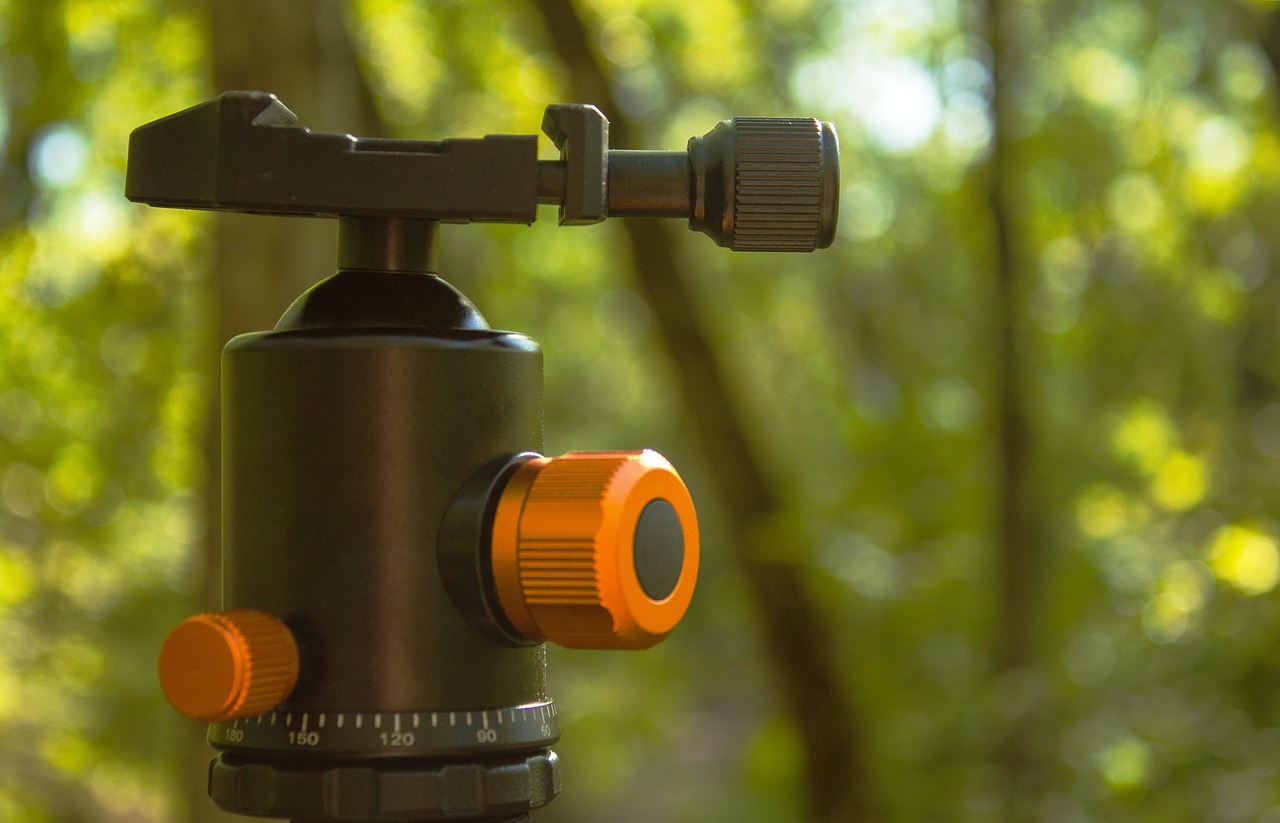
Achieving a comfortable stance while photographing cats is essential. When using a tripod, the way you position yourself can significantly influence your shooting technique and the resulting images. Rather than feeling constrained or awkward, aim for a natural, relaxed position that allows easy movement around your subject. One option is to use a tripod with adjustable legs, which can be set to various heights based on both your height and the location of your cat. This also allows for optimal angles and can even assist with macro shots if your cat becomes interested in something small. Also, using a tripod with a ball head can enable easy angle adjustments with minimal effort. This flexibility allows you to quickly adapt to your cat’s behavior, potentially leading to more captivating photographs. Remember, too, that experimenting with different angles can yield diverse results. Sometimes lower or raised heights can produce unexpected creativity. Encouraging natural behavior from your cat is also facilitated by comfortable positioning. Try to maintain a position that feels relaxed, so you can interact with your cat rather than being overly focused on the gear.
Adapting to Different Situations
Every cat photographer will encounter varying situations that may influence their gear choices and adaptability. For example, if you’re shooting indoors, the lighting conditions will often dictate your choice of equipment. This might include utilizing a larger, heavier tripod to stabilize for lower light conditions. However, outdoors might require a lighter setup for transport. By assessing your environment carefully, you can adjust your equipment accordingly. Experimenting with types of tripods, ranging from compact travel varieties to heavier, studio-grade ones, can be beneficial. Remember to think about convenience and flexibility during each shoot. During a photo session, if your cat is particularly active, consider a tripod that allows for rapid setup and adjustment features. Additionally, remember that certain lightweight camera models can be combined with versatile, heavier tripods to achieve perfect stability and comfort. The adjustments you make might also depend on the types of shots you want; candid shots may require more mobility while posed shots could benefit from a grounded tripod setup. Overall, flexibility is key when balancing camera with tripod weight and adapting to various photography scenarios.
Maintaining balance is crucial for effective cat photography. When using a tripod, distributing weight evenly across both the camera and tripod can enhance stability significantly. This can help prevent tilt or collapse during a shoot. Adding counterweights can provide additional stability, particularly when shooting in windy environments. This means attaching small weights to the center column of your tripod, helping to keep it grounded effectively. However, consider opting for tripod models that offer robustness while weighing less. Many photographers recommend products designed specifically for animal photography, which usually incorporate lightweight but durable materials. If adjustable features are available, make full use of them to find the optimal balance for your setup. Ultimately, ensuring that the weight is evenly distributed between the camera and tripod will contribute to sharper images. A properly balanced system can also help in quick setups and adjustments when your cat decides to explore. Learn what adjustments work best for you and your equipment to foster a smooth shooting experience that results in captivating images of your furry friend.
Investing in high-quality tripods specifically designed for photography is essential. While there are many budget options available, they often compromise on essential features such as durability and flexibility. Research is key before selecting a model that suits your needs best. You may want to read reviews of various tripods to gain insights regarding performance and usability. Quality tripods might have features such as quick setup legs, multiple adjustment points, and lightweight construction. These details can make a world of difference during long shooting sessions. Additionally, prioritize tripod brands renowned in the photography community for their commitment to quality. This way, you can benefit from long-term performance and outstanding comfort during photo sessions with your cat. It’s beneficial to consider your personal style while selecting your equipment. Make sure the tripod complements your workflow and allows you to experiment without any restrictions. An ideal tripod will enhance your experience and help in capturing stunning photographs of your cat in action. Achieving this requires careful research but can elevate your photography significantly and provide satisfaction in every shot made.
Final Thoughts
In conclusion, balancing camera and tripod weight effectively enhances your overall photography experience. It transforms what may seem challenging into an engaging and enjoyable process, allowing you to focus on your cat’s antics. Prioritizing both stability and mobility will lead to capturing those spontaneous moments that define your cat’s personality. Carefully choose a tripod that aligns with your vision and preferences. Quick adaptability can save time and enhance creativity, ensuring you don’t miss those important moments. Follow the tips outlined in this article to develop a sense of comfort that encourages creativity while photographing your beloved pet. Comfort in your setup will not only reduce fatigue but also foster a stronger connection with your feline companion through photography. Finally, reflecting on your learnings during each session will also help you improve skills and adapt to new environments, leading to breathtaking photographs. Embracing this journey maintains passion and excitement for captivating images filled with emotion and movement. With a little preparation and the right equipment, your cat photography sessions can be both enjoyable and rewarding.
This final paragraph encapsulates your journey into balancing the camera and tripod weight while engaging in cat photography. It emphasizes the importance of understanding your gear and how to minimize discomfort during sessions. This exploration should not be viewed merely as technicalities, but rather as a creative endeavor. Many photographers encounter hurdles along the way, hoping for tricks to ease their workflow. By investing time and effort into mastering the balance between the weight of your setup, you can transform overwhelming moments into memorable experiences. Focus on creating an enjoyable atmosphere for both you and your cat. Playfulness during your sessions will lead to joyful photographs showcasing your cat’s character. Emphasize on continuous learning, capturing unique moments that truly resonate. A well-balanced photographic experience ultimately fosters storytelling through each image taken. Moreover, notice that every photographer has a unique approach influencing how they capture their pets. It’s crucial to develop a method of balance that resonates with your style, ensuring an easier process. Remember, photography is about capturing emotion, and finding that perfect tripod balance enables you to tell your cat’s story effectively.