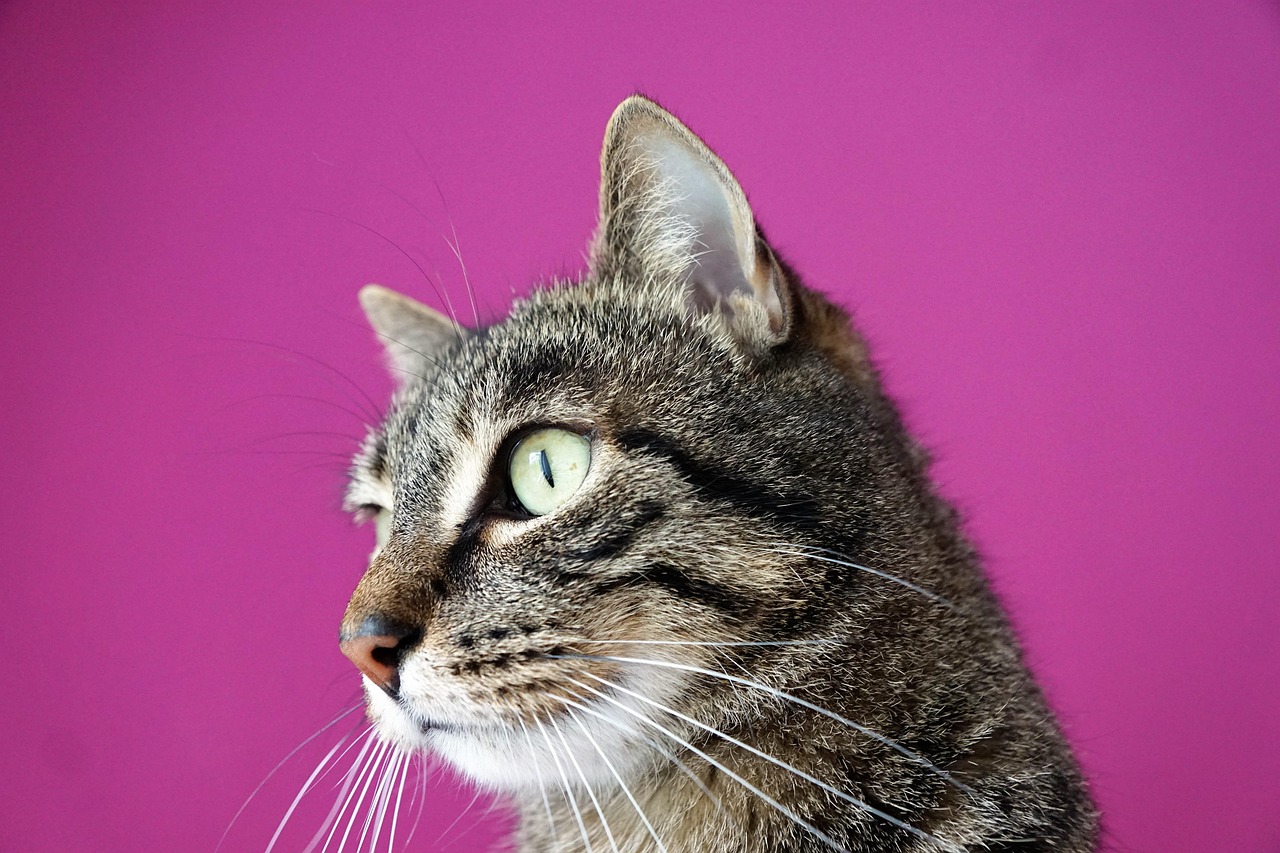

Behavioral Signs That Your Cat is Stressed
Understanding your cat’s behavior is essential to determine if they are experiencing stress. Cats exhibit various signs when they are anxious or uncomfortable. Observing these signs can help you respond appropriately to their needs. One common sign is changes in their eating habits. A stressed cat may eat less or overeat significantly. Ensure you monitor their food intake closely. Another indication is litter box avoidance, as a stressed cat may refuse to use their box properly. Assess your cat’s environment for stressors, including loud noises or the presence of unfamiliar pets. Vocalizations are also important; increased or unusual vocal sounds might suggest discomfort. Additionally, watch for excessive grooming, which can lead to hair loss or skin issues. On the other hand, a lack of grooming may also indicate stress. Cats are creatures of habit; changes in their routine can lead to anxiety. Lastly, changes in social behavior towards you or other pets can also indicate stress; sudden withdrawal or aggression may arise. Always provide a safe and comforting environment to reduce their anxiety levels and seek professional help when necessary for behavioral issues.
Another behavioral sign of stress in cats is when they start hiding or seeking solitude. Cats often retreat to safe spaces when they feel anxious, which can be alarming for cat owners. Observe if your cat is spending more time under furniture or in their designated hiding spots. This avoidance behavior often indicates they are trying to escape what they perceive as a threat. Additionally, pay attention to their body language. A stressed cat may display a lowered body posture, rounded back, and flattened ears. These physical signals are strong indicators of discomfort and fear. Tail movements also convey their mood; if your cat’s tail is puffed up, it suggests they are feeling threatened. If they are swishing or flicking their tail, they may be agitated. Furthermore, sudden outbursts of aggression can also signify that your cat is feeling provoked. As guardians, understanding these signals allows you to create a more supportive atmosphere. Using calming products, such as pheromones or stress relief treats, might help alleviate their anxiety. In severe cases, consult a veterinarian or an animal behaviorist for tailored advice on managing their stress effectively.
Physical Symptoms of Stress
Besides behavioral signs, cats often exhibit physical symptoms when they are stressed. Cats are skilled at masking discomfort, making it crucial for owners to recognize these subtle signs. One notable physical symptom is excessive grooming, which can lead to bald spots or skin irritation. When your cat grooms excessively, it is a sign they are trying to self-soothe. Conversely, some cats might stop grooming altogether, leading to a scruffy, unkempt appearance. This behavior can exacerbate stress levels if left unaddressed. Moreover, changes in litter box habits often manifest as urinating or defecating outside of the box. This behavioral shift might indicate that your cat feels unsafe or unwell. Chronic stress can also lead to digestive issues like vomiting or diarrhea. These health issues can create additional concern, requiring prompt veterinary attention. Remember that every cat responds differently to stress, and some may develop unique reactions not listed here. Observe your feline friend closely and keep track of any noticeable changes. Regular veterinary checkups can help ensure your cat remains healthy and stress-free, allowing for timely interventions when issues arise.
Another physical symptom to be aware of is fluctuations in weight. A stressed cat might either gain or lose weight unexpectedly. Changes in their weight should always prompt a visit to the veterinarian for evaluation. Moreover, respiratory issues may arise due to stress; cats may exhibit rapid breathing or an increased heart rate. Such symptoms can be particularly concerning and warrant medical attention. Cats may also express their anxiety through their eyes, appearing wide and dilated when they feel threatened. Some owners might notice panic or fear in their cat’s gaze, which can be distressing. In addition, your feline may exhibit tremors or shaking when anxiety escalates, adding to your concern. Furthermore, a stressed cat can develop destructive behaviors, such as scratching furniture or knocking things over, to express their frustration. These destructive actions can be a cry for help, indicating they need more stimulation or relief from stressors. By remaining observant and proactive in identifying these signs, you will be better equipped to provide your cat with a secure environment during difficult times.
Environmental Factors Contributing to Cat Stress
The environment plays a significant role in the stress levels of cats. Changes in their surroundings, such as moving to a new home, can be particularly stressful for them. Cats thrive on routine and familiarity, so disruption can lead to anxiety. For instance, if you’ve recently introduced a new pet or baby into the household, your cat may feel threatened. In such situations, it is vital to give your cat access to safe spaces where they can retreat and feel secure. Environmental stressors also include loud noises from construction, fireworks, or other disturbances. These external sounds can cause fear and stress in sensitive cats. You can minimize their exposure to these triggers by creating a quiet space. Moreover, the presence of unfamiliar people or animals can also impact their stress levels, leading to aggressive or fearful behavior. Spend time observing your cat in these situations to better understand their reactions. Often, providing enrichment activities, such as toys or scratching posts, can help alleviate stress. Ensuring a peaceful environment is key to promoting your cat’s overall well-being.
Fostering a harmonious environment for your cat requires understanding their specific needs and preferences. Cats naturally prefer vertical spaces; therefore, providing shelves or cat trees allows them to feel secure while surveying their territory. Incorporating hiding spots using boxes or tunnels can also empower your cat to retreat whenever they desire. Additionally, if you have multiple cats, consider creating separate spaces for each to reduce territorial disputes and stress. Observing each cat’s unique personalities will guide you in understanding how to better suit their environment. Adequate enrichment and stimulation, such as interactive toys or puzzle feeders, can also help reduce stress levels and prevent boredom. Structure is essential, so try to maintain consistent feeding schedules and playtimes. Cats often respond well to predictability, creating a sense of safety. Furthermore, ensure that they have access to clean litter boxes and fresh water, as these essentials can directly impact their well-being. Remember that kindness and patience are vital when introducing changes to their environment. By thoughtfully assessing your living space and your cat’s behavior, you can create a peaceful atmosphere that keeps stress levels low.
Conclusion and Seeking Help
Recognizing and addressing stress in your cat is crucial for their mental and emotional health. As a responsible pet owner, understanding these behavioral and physical signs can facilitate proactive interventions. Throughout this article, we covered multiple indicators of stress, including changes in eating habits, hiding behavior, and body language signals. It’s essential to observe your cat regularly so you can catch any changes early. If you determine that your cat is experiencing stress, some strategies can help, such as creating safe spaces and employing calming products. However, if your cat’s stress levels are persistent or escalating, it may be time to consult a veterinarian or a cat behaviorist. They can provide additional tools to manage your cat’s stress effectively. Always remember that every cat is unique, and sometimes it requires a tailored approach to help them cope with their anxiety. By maintaining open communication with your veterinary team and observing your cat’s reactions, you can help ensure they lead a happy, healthy life free from excessive stress.
Creating a supportive atmosphere for your cat means considering all aspects of their life. Prioritizing their physical and emotional wellness is essential. With patience and love, you can help your stressed cat adjust to their environment positively. Use your observations to identify specific stressors and work collaboratively with professionals to create the best plan for alleviating anxiety. You are not alone in this journey; many cat owners face similar challenges. Don’t hesitate to reach out for guidance to better navigate your cat’s emotional landscape. Managing stress is a continuous process, requiring adaptation and understanding. Through diligent efforts, you can contribute to your cat’s overall happiness and quality of life, turning a stressful experience into an opportunity for bonding and growth. Celebrate small victories alongside your feline friend as they adjust to a calmer state of being. The journey of managing your cat’s stress will foster a deeper connection between you and your pet, allowing for a more relaxed, enjoyable companionship.