
How to Motivate Your Cat During Target Stick Training
Training your cat using target sticks can be an enriching experience for both you and your feline companion. It stimulates their mind, promotes physical activity, and strengthens your bond. The first step is to understand what motivates your cat. Each cat can have different preferences: some may respond well to treats, while others may prefer playtime or praise. Discovering which reward your cat values most is crucial for successful training. Using treats is a popular method, but ensure they are healthy and appropriate for your cat’s diet. Also, limit treat size to prevent excessive calorie intake. If your cat enjoys play, incorporating toys during training sessions can help maintain their interest and engagement. Using a clicker alongside the target stick can reinforce positive behaviors by rewarding them immediately when they perform the desired action. Remember that patience is key; some cats may take longer to learn than others. It’s essential to have short, consistent training sessions, a few minutes several times a day, rather than one lengthy session, which can lead to frustration for both you and your cat.
Visual cues are essential when training cats, and the target stick serves as an excellent visual aid. As cats are natural hunters, the pointer of the stick captures their attention, while the end of the stick can direct their movement. To maximize your cat’s learning, start by getting them comfortable with the stick without any pressure. Let them investigate it, swat it, and even play with it. Once they seem familiar, initiate the training by guiding them to touch the target with their nose or paw. Remember to use the clicker or a verbal marker to reward them immediately following this action. Consistency is crucial; use the same target stick during each training to avoid confusion. Keep the pace of learning slow and enjoyable for your cat, as stress can be counterproductive. If your cat grows frustrated or disinterested, it’s time to take a break. Ultimately, reinforcing positive behaviors with a gentle approach fosters a nurturing environment. This method allows your cat to thrive and enjoy the process, ensuring successful outcomes in their target stick training sessions.
Creating the Right Environment for Training
Creating an ideal training environment plays a significant role in your cat’s ability to focus and learn effectively. Choose a quiet space free from distractions such as loud noises or rushing family members. A peaceful atmosphere can help your cat to feel relaxed and open to learning. The training area should be familiar to your cat, so they are comfortable being there. Additionally, consider the surface where you train; a non-slippery space can help them confidently engage with the target stick. Prepare the environment by removing any items that might cause distractions or set off their natural hunting instincts, such as toys or birds outside the window. Ensure that your cat associates the location with positive experiences—training sessions should be enjoyable rather than stressful. Using comfortable bedding or mats can also enhance their comfort during training. Keep the target stick visible and accessible in this space and make it part of the routine. Each time they see it, they will begin to associate it with fun and positive interactions, ensuring a successful training process.
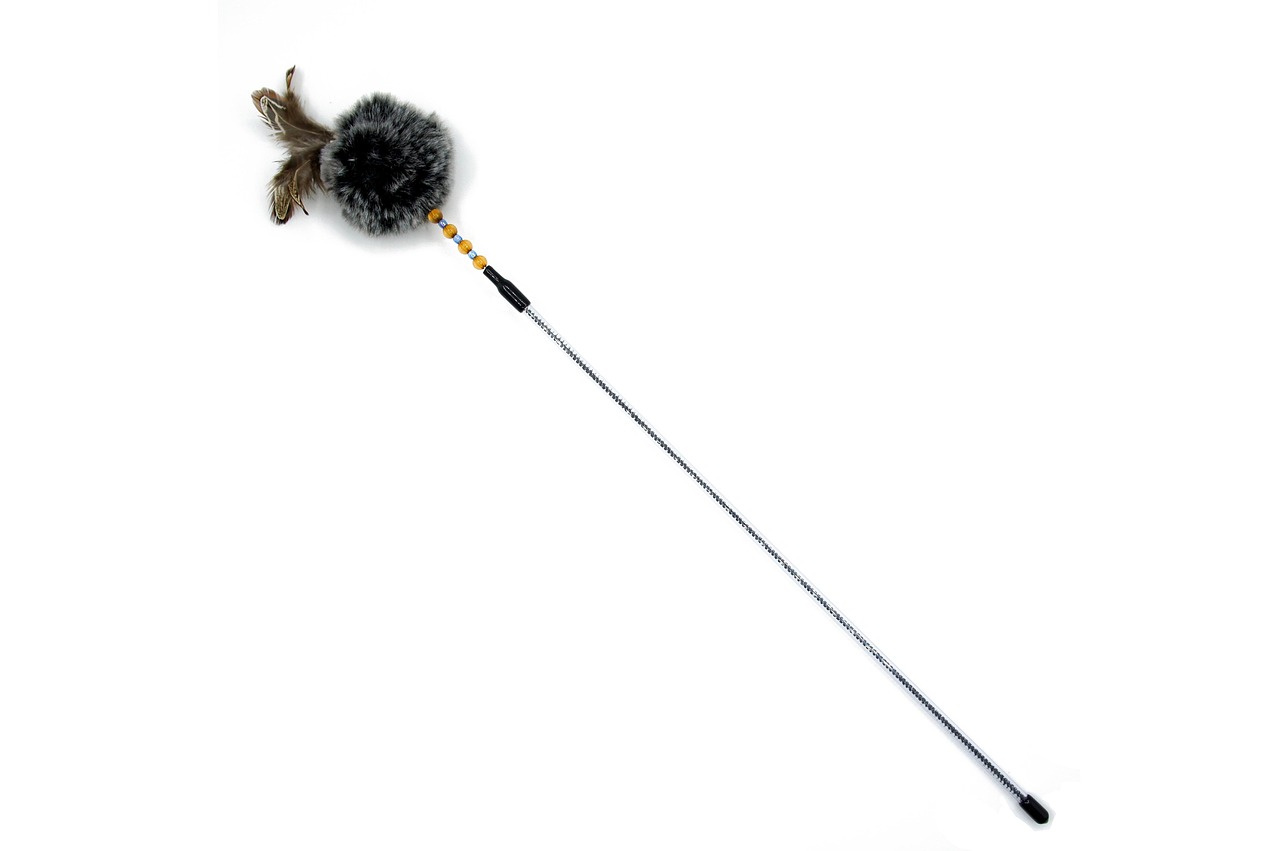
Another effective way to motivate your cat during training is to incorporate playtime strategically into your sessions. Cats are playful creatures, and incorporating their favorite toys can engage them during target stick training. Before beginning, whip out a feather wand or a laser pointer to pique their interest. After guiding them through some exercises with the target stick, reward their efforts by allowing them to play freely with their favorite toys. This attentiveness helps build anticipation for the upcoming training sessions, reinforcing a sense of achievement and enjoyment. Playful interactions during training can increase their excitement to engage with the target stick. Offering both mental and physical stimulation by alternating between training and play can prevent boredom and foster better learning. Maintain a light-hearted attitude throughout the training to cultivate a positive experience for both of you. The more fun your cat has while training, the more motivated they will be to participate in future sessions. By incorporating play, you amplify the rewarding aspects of training, encouraging your cat to embrace new challenges.
Understanding Your Cat’s Body Language
Being attuned to your cat’s body language during target stick training is vital for success. Cats communicate through subtle signals, and recognizing their cues will help you adjust your methods accordingly. When you observe your cat showing interest in the target stick—such as leaning in, approaching, or even vocalizing—you know it’s time to proceed. On the other hand, if your cat exhibits signs of stress, such as flattened ears, an arched back, or hiding, it may indicate they are feeling overwhelmed. Acknowledge these signals and adjust your training plan to create a more comfortable environment. Ultimately, a patient, gentle approach to understanding your cat’s emotional responses can foster a positive training atmosphere. Reward them with praise or treats when they engage positively with the target stick. Cats may also appreciate moments of rest between training exercises; allow them to take breaks when they seem tired, encouraging them to return to training with renewed energy. This sensible observation makes it easier to build a trusting relationship, leading to improved cooperation and successful outcomes in target stick training.
Incorporating an element of variety is essential for keeping your cat motivated throughout target stick training. Repetition can sometimes lead to boredom, so it’s crucial to introduce new techniques periodically. One way to do this is by changing the target stick’s location or using different types of target sticks with varying colors or shapes. You can alternate between the traditional target stick and alternative methods like a cue mat for additional engagement. These changes keep training fresh and exciting for your cat while reinforcing their learning abilities. Additionally, exploring new behaviors or tricks can expand the horizon of what your cat can achieve using the target stick. For instance, after mastering the basic touch, introduce maneuvers like “paw” or “jump.” This variety encourages better cognitive processing and increases your cat’s overall enthusiasm for training sessions. Emphasize that training is meant to be enjoyable; a playful twist to established routines will promote curiosity and eagerness. Ultimately, by continually infusing variety into their training, you help maintain your cat’s motivation and engagement, yielding fruitful results.
When it comes to reinforcing progress, consistency is key in target stick training. Regularly practice the learned behaviors, ensuring your cat understands what’s expected. Each session should be structured, with a beginning, middle, and end, making it clear when training starts and stops. Utilize a reward system to reinforce positive behavior. After your cat performs the desired action with the target stick, reward them swiftly. It is critical for your cat to associate the action with the reward. If they are consistently rewarded, they are more likely to repeat the action. Remember to adjust the frequency of reinforcements as your cat becomes more advanced in their training. Initially, reward them for every success, but fade to intermittent rewards over time. This strategic transition helps maintain motivation while encouraging your cat to try their best without expecting rewards every time. Pairing these rewards with verbal praises or gentle petting can help further reinforce their good behavior. Ultimately, consistency and patience go hand in hand, leading to effective target stick training and deeper bonds based on trust and understanding with your cat.
Finally, always celebrate the small victories during your target stick training journey. Each milestone—no matter how minor—deserves recognition to boost your cat’s confidence and maintain their interest. Celebrate their progress through verbal encouragement, light affection, and offering extra playtime after sessions. Positive reinforcement ensures your cat feels successful, validating their efforts and fostering a sense of accomplishment. Remember, every cat learns at their own pace; some may grasp concepts quickly, while others may need additional time. Your supportive attitude and patience can make a significant difference during training sessions. Show grace and avoid frustration if your cat doesn’t seem to understand a command immediately; a gentle approach yields better long-term results. Additionally, maintain realistic expectations, focusing on fun rather than perfection. The ultimate aim of target stick training is to strengthen the bond between you and your cat while fostering their ability to engage with you positively. With time, effort, and an appreciation for their progress, your cat will thrive in target stick training, leading to a fulfilling partnership and enjoyable training experiences for years to come.