
Lyme Disease in Dogs: Causes and Management
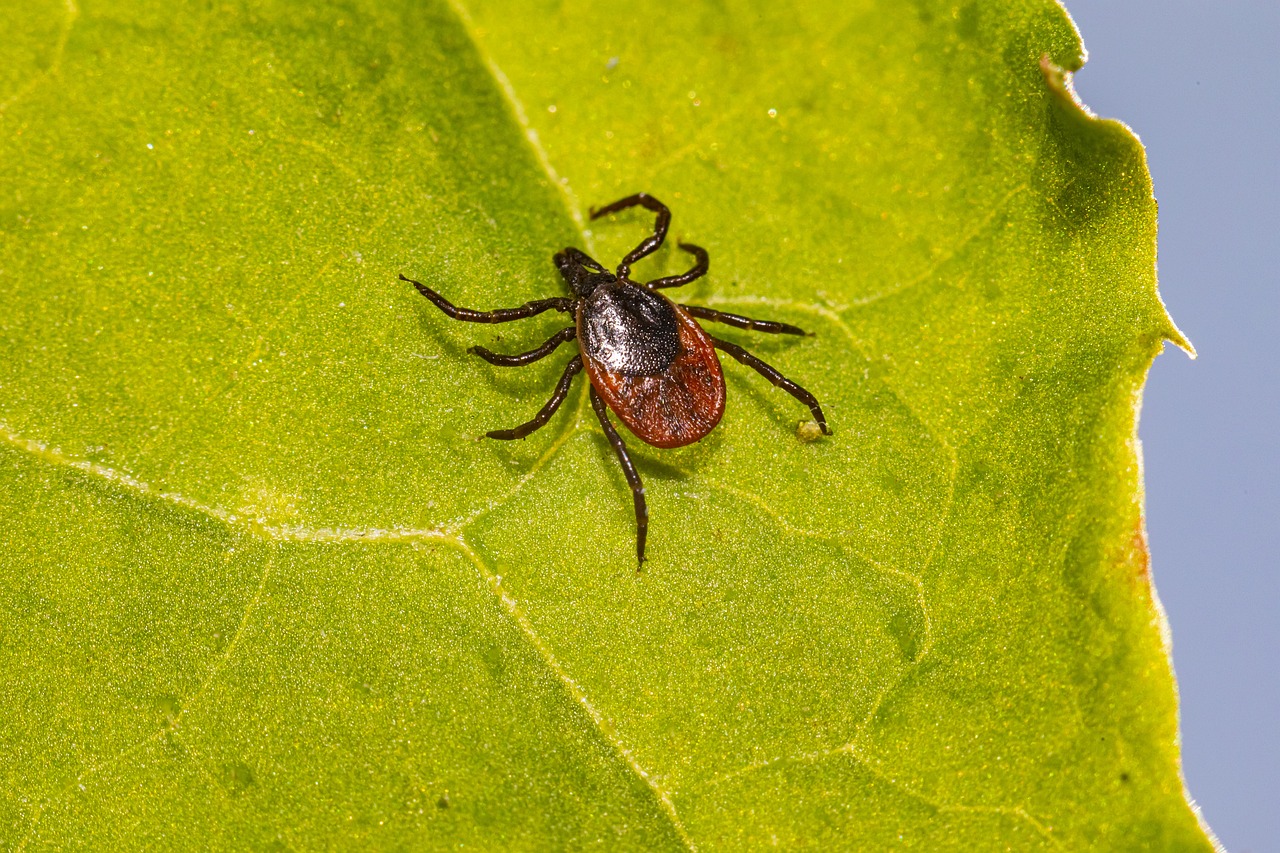
Lyme disease is a prevalent tick-borne illness impacting dogs, resulting from the bacterium Borrelia burgdorferi. This disease is primarily transmitted through the bite of infected black-legged ticks, also known as deer ticks. The symptoms of Lyme disease may vary, but common indicators include fever, lethargy, swollen joints, and a loss of appetite. If left untreated, the disease can lead to severe complications, making early detection crucial. Environmental factors also play a significant role in the spread of Lyme disease within canine populations. Areas with high grass, shrub, or wooded conditions are prime habitats for ticks. Dog owners should particularly take care during warmer months when ticks are more active. Maintaining a clean yard and minimizing brush can reduce tick exposure for pets. Additionally, veterinarians recommend regular tick prevention treatments. Speaking with your veterinarian about the best preventive measures suitable for your dog is essential. Ensuring your dog is vaccinated against Lyme disease is another way of additional protection. Understanding this disease equips pet owners to better protect their dogs and manage potential exposure.
Symptoms of Lyme Disease in Dogs
The symptoms of Lyme disease in dogs can manifest in various ways depending on the stage of the infection. Common signs are often subtle initially, making it challenging for owners to recognize the disease immediately. Dogs might experience a sudden onset of fever, loss of energy, and reluctance to engage in physical activity. As the disease progresses, they may show swelling, particularly in joints, which is often painful. Furthermore, a noticeable decrease in appetite can be observed, leading to weight loss over time. In some cases, dogs may develop lameness that appears to shift between legs day by day. More severe complications, although less common, can occur if the disease goes untreated, including kidney failure, which may lead to further serious health issues. Therefore, if any of these signs appear, consulting a veterinarian is critical. Blood tests can confirm the presence of Lyme disease in dogs. Along with clinical signs, the veterinarian may recommend preventive measures. Prompt treatment significantly increases the chances of quick recovery, so proactive monitoring is essential.
Diagnosing Lyme disease in dogs involves several steps to accurately establish the presence of the illness. Initially, veterinarians will conduct a thorough physical examination and will inquire about the dog’s history of recent outdoor activities. Given the commonality of ticks in certain areas, further assessments will likely include blood tests specifically designed to detect antibodies against the Lyme bacterium. It is important to note that positive test results alone do not confirm an active infection, as some dogs may have been exposed previously without exhibiting symptoms. As a result, a second test may be necessary to understand the infection’s impact. Treatment primarily entails antibiotics, usually for a duration of about four weeks, to eradicate the bacteria. Most dogs respond well and show improvement within days of starting medication. Additionally, supportive care may be administered to manage pain or discomfort associated with joint inflammation. If left untreated, Lyme disease can lead to chronic health issues, emphasizing the importance of early intervention. Regular veterinary check-ups and consultations become crucial for long-term wellbeing.
Preventing Lyme Disease in Dogs
Prevention is always better than dealing with health complications, especially concerning diseases like Lyme disease. One of the most effective ways to protect your dog is through the implementation of a comprehensive tick prevention program. There are several products available, including topical treatments, oral medications, and tick collars that can deter ticks from attaching to your dog. Consistent use during peak tick season, which generally ranges from early spring through late fall, is vital. Furthermore, regular grooming practices, such as checking your dog for ticks after outdoor activities, can help identify and remove ticks before they transmit diseases. It is advisable for dog owners to maintain a clean yard by mowing the lawn frequently and removing leaf litter and tall grasses, which can harbor ticks. Moreover, creating gravel or wood chip pathways can discourage tick infestations. Vaccines against Lyme disease are available and can provide an additional layer of defense. Consult with your veterinarian regarding the best preventive measures suited for your dog’s lifestyle and the specific risks in your area.
If a dog is diagnosed with Lyme disease, timely and effective treatment is crucial for a full recovery. Veterinarians will typically prescribe antibiotics such as doxycycline or amoxicillin, which have shown high efficacy in treating this illness. Treatment usually requires a course lasting several weeks, during which close monitoring of the dog’s health is essential. Some dogs may continue to show symptoms even after completing antibiotic treatment. Such cases may require additional courses of therapy. Pain relief medications may also be necessary to manage inflammation or discomfort resulting from the infection. While most dogs respond favorably to treatment, it is important for owners to monitor their pet’s behavior and seek follow-up veterinary visits. Furthermore, regular check-ins with your veterinarian help assess the dog’s overall health, ensuring no lingering effects. Supportive care, including joint supplements, can assist in improving the dog’s quality of life during recovery. Understanding how Lyme disease can affect your dog’s long-term health is essential for responsible pet ownership. Awareness promotes better practices for prevention and management, ensuring a happier, healthier life for pets.
Conclusion: Managing Lyme Disease in Dogs
Managing Lyme disease in dogs necessitates a proactive approach, starting with prevention and leading to prompt treatment. As pet owners, understanding the risks and symptoms associated with this disease empowers you to take appropriate action. Regular veterinary check-ups and discussions about tick prevention strategies play a significant role in your dog’s wellbeing. It cannot be stressed enough how vital early detection is in safeguarding a pet’s health against Lyme disease. By implementing effective tick prevention measures and ensuring the timely administration of antibiotics during an infection, you can significantly improve your dog’s chances of recovery. Building a routine around checking for ticks is essential, especially after outdoor adventures. Awareness of the signs and symptoms can lead to swift action, making a notable difference in treatment outcomes. Furthermore, vaccinations that offer additional protection against Lyme disease are worth considering. Ultimately, prioritizing your dog’s health and preventing exposure to risks contribute to a fulfilling and healthy life for your furry friend. Informed decisions and consistent care lead to successful management of Lyme disease and other potential canine health issues.
In conclusion, Lyme disease remains a significant health concern for dogs. As responsible pet owners, staying informed about this illness and its management is crucial. Taking preventive steps, such as effective tick control measures and regular veterinary visits, ensures that dogs remain healthy and happy. By recognizing symptoms early and taking timely action, you can protect your beloved pet from the adverse effects of Lyme disease. Additional attention to your dog’s environment can further enhance their safety by limiting their exposure to ticks in grassy or wooded areas. Keeping your dog on a well-maintained leash during walks in such areas can be beneficial. Sharing knowledge with other pet owners and promoting awareness about Lyme disease can help protect the wider dog community. It is also advisable to educate family members, especially children, about the dangers of ticks and the importance of protecting pets. Additionally, some regions may experience varying tick activity levels; understanding local trends allows owners to tailor their prevention strategies effectively. In summary, an active involvement in your dog’s health, paired with awareness about Lyme disease, is vital.