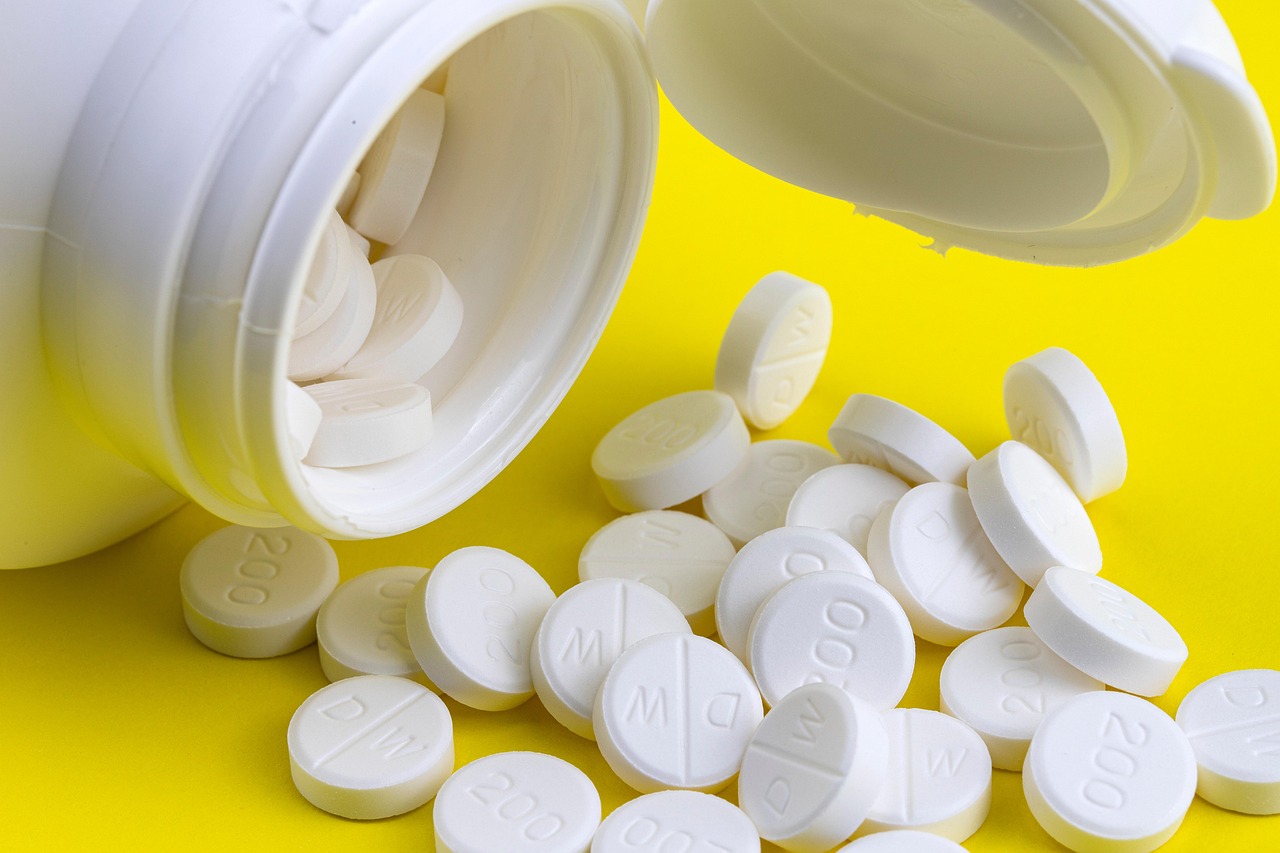

Potential Risks of Combining Dog Vitamins with Medications
The increasing trend of dog owners incorporating vitamins into their pets’ diets raises concerns regarding possible interactions between these vitamins and prescribed medications. Just like in humans, a dog’s nutritional supplements can influence how medications work, which might lead to unexpected side effects. Certain vitamins can enhance or impair the efficacy of medications, leading to altered dosages of drugs. For example, excessive doses of vitamin K may counteract anticoagulants, posing risks of blood clots. Moreover, owners often underestimate the potency of certain vitamins. It is crucial for owners to consult with veterinarians about potential risks and benefits to ensure a proper balance. Regular veterinary check-ups can help monitor the effects of both vitamins and medications on a dog’s health. Therefore, pet owners should maintain an open conversation with their veterinarians regarding their dog’s specific health conditions and any supplements they are providing. Understanding these interactions can significantly enhance the overall health and well-being of dogs, maintaining their energy levels and longevity, while also preventing any hazardous complications stemming from unforeseen reactions between administration of drugs or vitamins.
Besides the action of vitamins on medications, pet owners need to recognize that not all supplements are made equally. Quality control in the production of vitamins can vary significantly, leading to potential issues regarding potency and safety. The presence of harmful additives or incorrect dosages may not only affect the desired outcomes but could result in hazardous situations for your canine companions. For instance, certain dog vitamins may contain excessive minerals that could harm your pet, particularly in conjunction with prescribed medication usage. Dogs with pre-existing health concerns should also be carefully monitored when receiving any new vitamin regimen, as specific conditions could exacerbate the adverse effects of certain supplements. The holistic health landscape encourages integrative approaches, yet caution must be exercised. Engaging with a veterinary professional specializing in nutrients can provide valuable insights. These experts may recommend specific brands or formulations that align better with your dog’s healthcare plan. Furthermore, it is essential to observe any changes in your dog’s behavior or health after introducing new vitamins, helping identify any problematic interactions early on, thus safeguarding their health and ensuring they receive the necessary support for their overall wellness.
Common Dog Vitamins and Their Effects
Dog vitamins come in a variety of forms, including multivitamins, fatty acids, probiotics, and more specialized supplements designed for specific health issues. Each type has unique benefits, but understanding their interactions with medications is vital. For example, omega-3 fatty acids are often recommended to enhance coat health, but these can also have a blood-thinning effect. When combined with medications such as aspirin or other anticoagulants, the risk of bleeding increases significantly. Another commonly used vitamin, vitamin E, while beneficial for immune support, can similarly impact anticoagulant medication efficacy. Moreover, B vitamins, which are crucial for metabolic processes, may interact with certain antibiotics, affecting their absorption. Owners must be cautious about combining these vitamins with any prescribed medicines to avoid complicating their effectiveness. Keeping an open line of communication with your veterinarian about all supplements your dog is taking, including vitamins, helps tailor their health management plan effectively while minimizing risk. By maintaining transparency about your dog’s vitamin intake, you can create a safer environment for their health and well-being, aiding in their happiness and longevity.
Another critical factor in understanding vitamin and medication interactions is the timing of administration. Just like human patients, dogs might require specific schedules for administering both vitamins and medications to maximize their benefits while minimizing adverse effects. For instance, some medications should be given with food, while others work best on an empty stomach. Consequently, the presence of vitamins can either positively or negatively affect drug absorption and metabolism. Owners should establish a clearly defined schedule that allows adequate time between administering vitamins and medications, ensuring that neither affects the absorption of the other. Keeping track of your dog’s response to medications and supplemental vitamins can also help optimize their treatment regimen. Furthermore, using pill organizers and having alerts set on your schedule can help foster compliance in following through with dietary and medicinal guidelines. This holistic approach is essential in managing both medication effectiveness and vitamin supplementation in dogs, creating an organized routine that benefits their wellness. Hence, it’s advisable to document their intake, allowing for easier discussions with veterinarians during appointments. This simple practice can make a significant difference in overall health management.
Monitoring and Reporting Changes
Monitoring your dog’s health when introducing new vitamins or medications can help catch any potential adverse effects early on. Owners should actively keep an eye out for changes in behavior, energy levels, or physical symptoms that can indicate troubling interactions. Symptoms may include increased lethargy, changes in appetite, gastrointestinal distress, or even excessive drinking and urination. Any of these signs might necessitate immediate veterinary consultation for evaluation. It’s also wise to report these changes to your veterinarian during routine check-ups or when discussing your dog’s health. Keeping a detailed log of your dog’s reactions to specific vitamins, medications, and their administered doses can provide valuable insights for veterinarians. Relying on historical data can refine health strategies and uncover patterns related to adverse reactions to either medications or supplements. Involving your veterinarian in decision-making about your dog’s dietary guidelines and medication regimen will ultimately lead to a more successful health strategy. Furthermore, maintaining a relationship with a veterinary professional specializing in canine nutrition can help streamline preventative care efforts. This fosters a productive dialogue between you and your pet’s healthcare team.
It’s essential to acknowledge that individual differences among dog breeds and their unique metabolic profiles can impact how they respond to vitamins and medications. Dogs are not all created equal; larger breeds metabolize certain substances differently when compared to smaller breeds. For example, a vitamin that might benefit a Labrador may not have the same effect on a Chihuahua. Moreover, mixing vitamins into a dog’s regular diet may require a nuanced understanding of their dietary requirements based on activity level and existing medical conditions. This complexity makes it crucial to consult a veterinary professional for tailored advice. Customized health recommendations ensure that your dog receives appropriate doses aligned with their breed, size, and health needs. Always consider any breed-specific tendencies that might contribute to varying responses to both vitamins and medicines. A specialized approach also increases the likelihood that your pet will benefit from the supplements offered. Subsequently, paying attention to their unique responses can significantly boost general health outcomes, providing peace of mind for owners in knowing they are doing what’s best for their furry companions.
Conclusion: Prioritizing Dog Health
In conclusion, the interaction between dog vitamins and medications presents a vital issue that requires careful consideration by pet owners. As dogs rely on both proper nutrition and prescribed medications, understanding these interactions is crucial for their health. Consulting with a veterinarian, maintaining consistent monitoring, and prioritizing open communication will lead to more effective management strategies for your pet’s health. Developing a comprehensive understanding of the risks enhances the potential for better health and happier lives for our canine friends. Always prioritize your dog’s needs by being informed and proactive in your approach to supplements and medications. This effort ensures a well-balanced regimen that supports their overall wellness. By creating an individualized health plan, taking note of observations, and regularly visiting a veterinarian specialized in canine care, owners will foster healthier dogs. Lastly, as responsible pet owners, embracing a partnership with veterinary professionals will help tailor the best comprehensive care plans available for our companions. Balancing the intricate relationships among diet, supplementation, and medication will fortify their health goals in the long run, enhancing the quality of life for our beloved pets everywhere.
Your dog’s health is in your hands; hence, responsible pet ownership includes not just love but also informed decision-making.