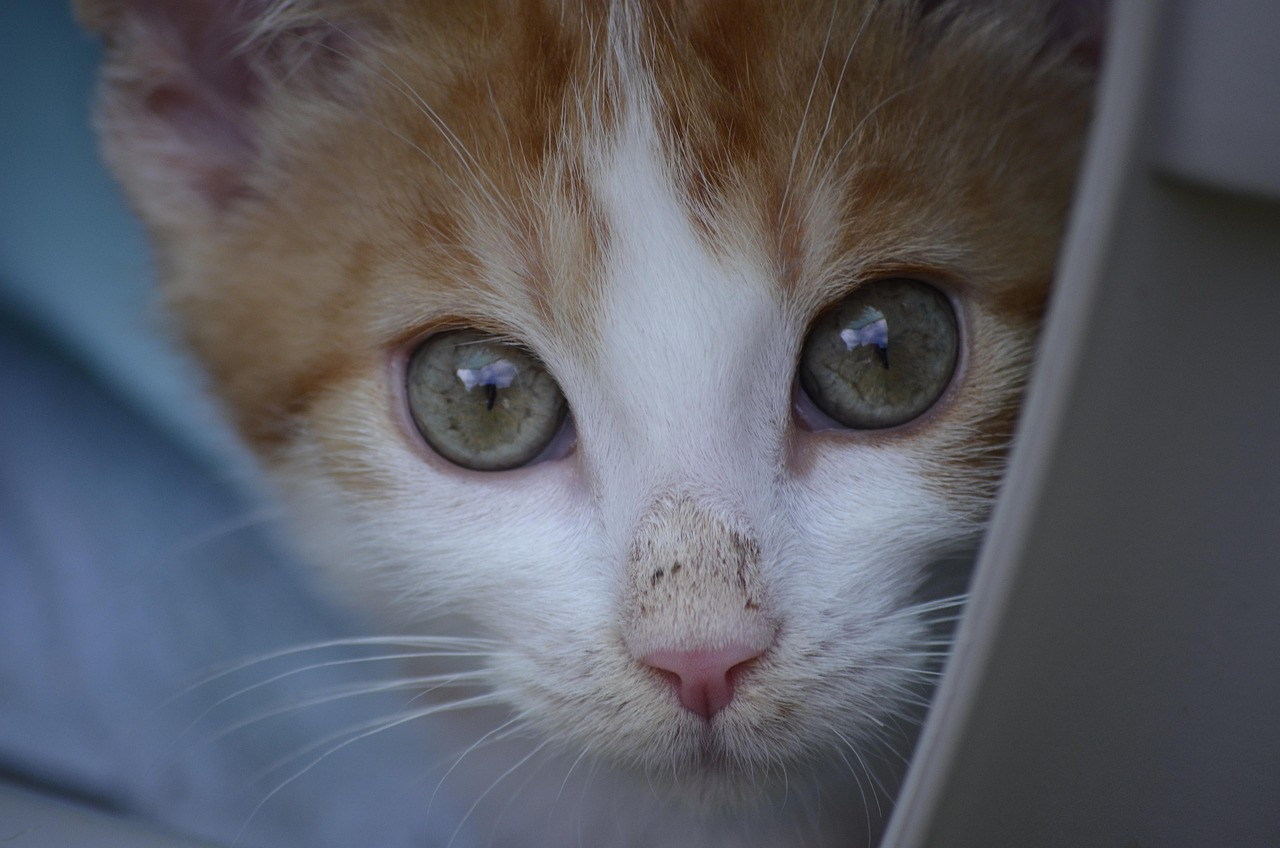

The Importance of Spaying and Neutering in Rescue Efforts
Spaying and neutering are critical components in the world of cat rescue. Every year, millions of cats and kittens enter shelters, often overwhelmed by the sheer volume of animals needing care. When volunteers and organizations understand the significance of these procedures, they can effectively control the cat population. The goal should be to ensure that every rescued feline finds a loving forever home without further contributing to the crisis. Additionally, spayed and neutered cats typically exhibit fewer behavioral issues, making them more adoptable. Health benefits also play a strong role, as sterilization reduces risks of certain cancers and infections. Overall, communities can greatly benefit from promoting spaying and neutering through educational outreach. Many local veterinarians and rescue groups offer low-cost or even free services to encourage participation. Programs targeting feral and stray cats are earmarked for significant improvement through these initiatives, as reducing their population is vital. By integrating spaying and neutering into rescue efforts, communities can help balance the ecosystem where these animals thrive. Educating the public ensures a more compassionate environment for cats and fosters longer, happier lives for both rescues and pets.
While some still grapple with the logistics of spaying and neutering, many misconceptions persist. Some individuals believe that sterilization alters a cat’s personality or makes them lazy. In reality, these procedures can improve behavior and promote a healthier lifestyle. They also prevent unwanted litters contributing to overpopulation. Scheduling a spay or neuter appointment with a trusted veterinarian should be a priority for any cat owner or rescuer. Truly, these surgeries can be done at a young age, ensuring that kittens do not contribute to the problem. Additionally, many organizations provide support to caretakers of community cats through return-to-field programs. These approaches focus on reducing the cat population humanely while allowing feral cats to live out their lives in safe environments. The lasting impact is transformative, as it alleviates pressure on shelters, reduces euthanasia rates, and promotes community awareness. Moreover, having a healthier feline population leads to decreased disease transmission. By creating programs to address these concerns, communities can foster a strong, healthy bond between cats and residents. Therefore, spaying and neutering must be embraced as essential practices amidst cat rescue efforts.
Engaging the community through educational initiatives is vital to the success of spaying and neutering programs. Rescue organizations often succeed in reaching volunteers and potential adopters through workshops, community events, and social media campaigns. By encouraging discussions about the importance of these procedures, groups can raise awareness about the needs of local cat populations. Furthermore, sharing personal stories from satisfied adopters can inspire others to get involved and act. Many individuals may not understand the impact their involvement can have on the lives of animals in their area. Educating the public about local resources that offer affordable spaying and neutering options encourages proactive participation. An informed community can be instrumental in spreading positive messages and mobilizing support for rescue organizations. Alongside education, emphasizing the consequences of feline overpopulation can propel change. By leveraging visual aids like statistics and images, organizations can convey their messages effectively. As more individuals become informed, the collective effort to promote spaying and neutering will grow. This focus ultimately contributes to the progress of cat rescue initiatives while fostering responsible pet ownership principles across neighborhoods. Investing in these programs strengthens the foundation of a loving community for all cats.
Collaborations with Local Businesses
Building relationships with local businesses can play a vital role in ensuring successful spaying and neutering efforts. Many veterinarians, pet supply stores, and cafés are open to supporting charities, providing valuable resources for cat rescues. Collaborations may include fundraising events, donation drives, or discounted spay/neuter services. By creating partnerships within the community, organizations can benefit from greater visibility and engagement with the public. In return, these businesses will attract more clients and showcase their commitment to responsible pet care practices. Community-focused initiatives help empower volunteers and ensure their hard work translates into tangible results. Regularly hosted events, like adoption days or educational seminars, create opportunities to engage with the community while promoting these crucial surgeries. Many people may be unaware of how easy and accessible spaying and neutering services can be. Alongside these arrangements, it is essential to foster relationships with animal welfare organizations and government programs. These collaborations can secure extra funding for discounted or free spaying and neutering. By utilizing local resources and fostering community connections, cat rescues can drive successful spaying and neutering initiatives for a healthier feline population.
Advocating for spaying and neutering policies can further enhance efforts in cat rescue. Local governments can adopt regulations that promote responsible pet ownership and sterilization. Enacting policies requiring spaying and neutering for adopted pets can dramatically reduce overpopulation in communities. Additionally, it creates an environment where only responsible pet owners are encouraged to adopt. By collaborating with local officials and animal control agencies, rescue organizations can advocate for substantial policy changes benefitting feline populations. Educators and volunteers can also work together to promote humane trapping initiatives for feral cats, ensuring they receive necessary vaccinations and surgeries. These strategies create sustainable change while improving the overall health of community cats. Public campaigns can elevate awareness regarding regulations governing cat ownership and obligations that come with it. Incorporating spaying and neutering information into local laws ensures focus on these crucial procedures for current and future cat owners. This commitment enhances the welfare of cats and strengthens community ties. As more people recognize their responsibility to care for their pets, the future of cat rescue becomes more hopeful and resilient for generations to come.
In summary, spaying and neutering are essential practices in the realm of cat rescue. The importance of these procedures cannot be overstated—their impact reaches every corner of a community. From decreasing the unwanted cat population to yielding healthier, happier animals, spaying and neutering objectives align closely with the goals of rescue organizations. As people become better educated on this topic, it fosters a culture of responsible pet ownership. Moreover, promoting these practices through collaboration, community engagement, and advocacy can instigate significant improvements in feline welfare. Therefore, organizations and community members alike must prioritize outreach initiatives that highlight the importance of spaying and neutering. The journey toward a world with less feline suffering relies heavily on these procedures. By encouraging spaying and neutering as common practices, communities can create a brighter future for all cats. Ultimately, the concerted effort of individuals committed to rescue and welfare leads to lasting change. Solidifying these practices ensures fewer cats experience the harsh realities of life in shelters. Together, we can foster a compassionate community, ultimately leading to fewer stray cats on the street and healthier cat populations overall.
Cat rescue efforts genuinely depend on community involvement and awareness regarding spaying and neutering. While it may seem daunting, proactive measures can lead the way toward meaningful change. Supporting one another through educational outreach, communal initiatives, and local partnerships creates a ripple effect throughout neighborhoods. Using social media platforms to share resources, partnerships, and successes can motivate more people to join the cause. Moreover, showcasing the direct impact of spaying and neutering on individual cats can inspire future adopters. This helps establish a culture that values every cat’s life and welfare, essential in reducing both abandonment and overpopulation. People shine light on how negative perceptions can be overcome through compassion and engagement. Creating an inviting environment for community members interested in getting involved paves the way for inspiring action and participation. As populations of undesired cats dwindle, the result is evident: more lives saved, less suffering, and a stronger commitment to animal welfare. So, let’s work together to enact real change. With commitment, compassion, and consistency, spaying and neutering initiatives will transform our communities for the better, ensuring happier outcomes for cats everywhere.
}]}