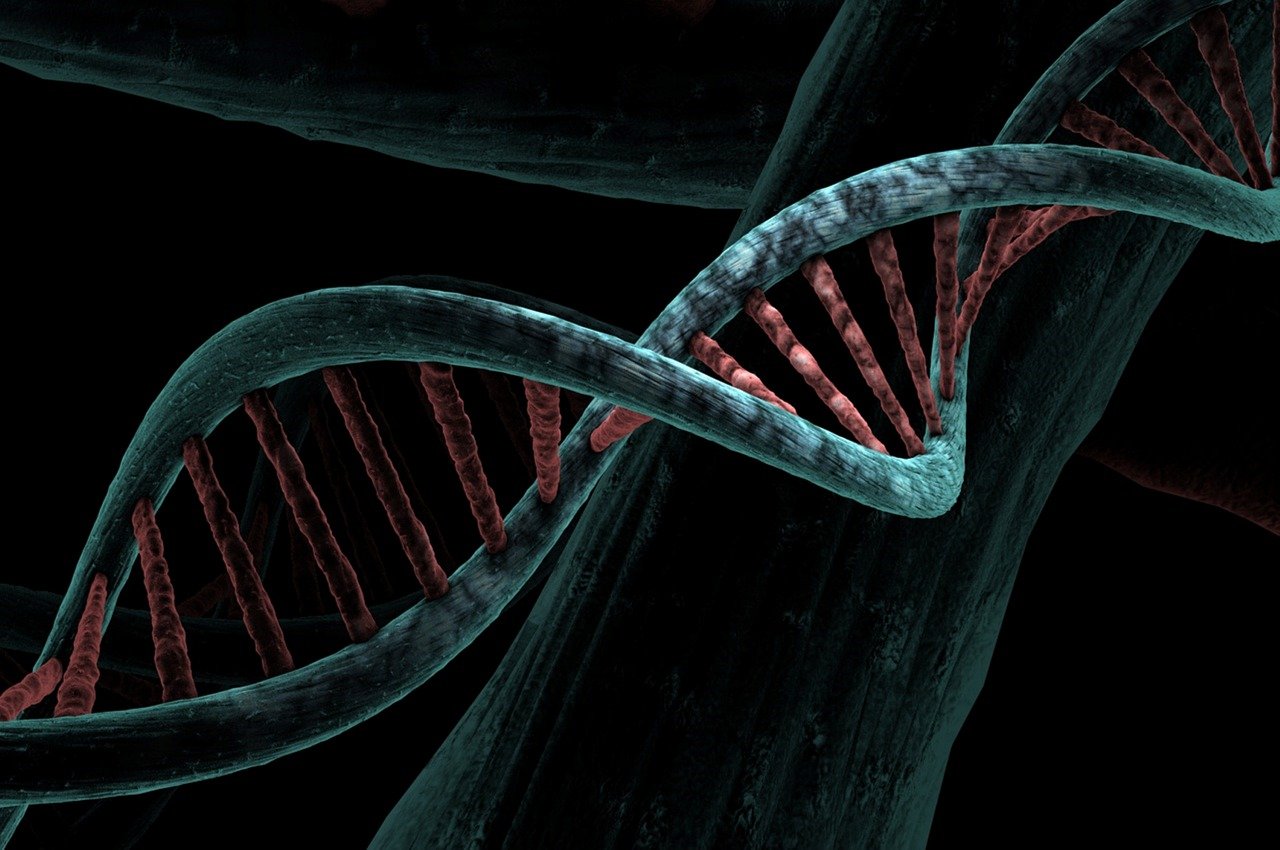

The Influence of Genetics on Canine Immune Systems
Genetics plays a vital role in shaping the immune systems of dogs, influencing their susceptibility to various diseases. Breeding practices often prioritize desirable traits like appearance and temperament, sometimes neglecting health. This neglect can lead to inherited conditions that compromise immune function. Genetic diversity is essential for a robust immune response, as it enhances the ability to combat pathogens. Therefore, breeders should focus on preserving genetic diversity to enhance health, including immune resilience. Moreover, genetic testing helps assess potential health risks in breeding lines. Understanding the genetic markers linked to immune function can assist breeders in making informed decisions. By selecting breeding pairs based on sound genetic principles, they can produce healthier offspring with stronger immune systems. Additionally, responsible breeding practices can help eliminate hereditary diseases from bloodlines, fostering long-term health benefits. For owners, knowing the genetic background of their dogs is crucial; it provides insights into potential health issues. Ultimately, genetics significantly shapes canine health, specifically immune systems, and responsible breeders can guide this process for a healthier canine population.
The genetic predisposition of various breeds significantly impacts their immune system capabilities. Some dog breeds are more prone to auto-immune diseases or allergies due to their genetic makeup. For instance, breeds such as Golden Retrievers and Dachshunds often face higher instances of skin allergies, while some terriers might be prone to autoimmune disorders. These inherited conditions can result in compromised immune systems that make these dogs more susceptible to infections and other health issues. Furthermore, certain breeds exhibit unique immune profiles that affect how they respond to vaccinations and environmental pathogens. Understanding these breed-specific vulnerabilities is essential for tailored healthcare approaches. Dog owners should engage with veterinarians familiar with their breed’s genetic traits, ensuring proper preventative care. Regular health screenings and vaccinations are crucial for monitoring immune function, especially in breeds known for genetic health risks. Moreover, breed clubs and associations often provide valuable resources regarding genetic tests that prospective owners should consider. By being proactive about genetics, breeders and owners can enhance the wellness and longevity of their canine companions. A strong genetic foundation fosters a healthier breed, ultimately leading to a robust population of pet dogs.
Importance of Genetic Testing
Genetic testing has become a powerful tool in dog breeding, allowing breeders to make informed decisions regarding their breeding programs. This process helps identify inherited traits and hereditary potential risks associated with specific breeds. By pinpointing genetic predispositions, breeders can create breeding strategies that promote healthier immune systems in their dogs. Genetic tests assess a range of health indicators, including immune function, which is crucial for preventing common diseases. Breeders may use results to select breeding pairs that maximize site-specific immune strength while minimizing health risks. This progressive approach helps improve the overall health of future generations. Additionally, educating puppy buyers about genetic testing enables them to make informed decisions when selecting their canine companions. It empowers owners to understand their dog’s health background, facilitating timely veterinary interventions when needed. In essence, genetic testing can profoundly impact canine health, offering hope for eradicating hereditary diseases associated with compromised immune systems. This approach not only benefits the breed but also enhances the dog-owner relationship by ensuring a healthier and happier life for their pets. Investing in genetic testing today can lead to a promising future for dog breeds.
The environment also plays a crucial role in how genetics affect a dog’s immune system. Environmental factors such as nutrition, exposure to pathogens, and living conditions interact with genetic predispositions. A well-balanced diet rich in essential nutrients is vital for maintaining a healthy immune system, regardless of genetic background. For instance, omega-3 fatty acids are known to enhance immune function and decrease the severity of inflammatory responses. Thus, responsible dog owners must prioritize nutrition alongside understanding genetics. Moreover, exposure to different viruses and bacteria in the environment can help strengthen a dog’s immune defenses. Early socialization and exposure to diverse conditions can train a young dog’s immune system to respond effectively to various pathogens. Conversely, a lack of proper environmental stimuli might lead to an underdeveloped immune response, especially in breeds prone to immune deficiencies. Furthermore, living in clean, comfortable, and stress-free environments is essential in promoting immune health. A holistic approach that considers both genetic factors and environmental influences will ensure healthier dogs, allowing them to thrive while maintaining their immune systems.
Role of Diet in Genetic Expression
Diet plays a significant role in how genetics express themselves in canine health, particularly concerning immune function. Nutritional choices can either ameliorate or exacerbate inherited health issues, affecting dogs at various genetic risk levels. Some breeds may inherit sensitivity to specific allergens; feeding them a balanced, hypoallergenic diet can help mitigate these risks. The role of antioxidants, vitamins, and minerals in canine diets is integral to supporting immune health. Incorporating fresh fruits and vegetables can bolster a dog’s natural defenses, particularly in breeds with compromised immune systems. Moreover, probiotics and prebiotics foster gut health, which is closely linked to immunity. Formulating diets to meet a dog’s genetic needs allows breeders and owners to counteract potential drawbacks. It is crucial that breeders inform potential dog owners about dietary requirements tailored to their dog’s genetic predispositions, assisting them in making educated choices. This awareness enables dog owners to better serve their furry companions, facilitating optimal health through balanced nutrition. A powerful connection exists between diet and genetics, enabling owners to harness this relationship to promote lasting health in their canine companions.
In addition to diet and genetics, understanding the role of stress in dog’s immune health is vital. Elevated stress levels can compromise immune function, making dogs more susceptible to disease. Certain breeds may be inherently more sensitive to stress, and successful breeding involves selecting for temperament alongside health. Socialization and training play essential roles in helping dogs manage stress. Positive reinforcement techniques can effectively enhance their coping mechanisms, allowing them to thrive in varying environments. Furthermore, creating a safe, nurturing home environment reduces anxiety and stress levels while promoting general well-being. Regular exercise is also crucial for ensuring dogs experience optimal mental and physical health, which subsequently supports immune function. Providing stimulating activities and opportunities for play can prevent behavioral issues tied to stress, which adversely affects immune systems. As dog owners and breeders gain a better understanding of these factors, they can create individualized care plans tailored to their dog’s needs. By emphasizing stress management in conjunction with genetics, dog lovers can significantly improve their pets’ overall health, allowing them to lead happier, healthier lives in the process.
Conclusion
Ultimately, genetics remain a foundational element influencing canine immune systems, with long-lasting implications for dog health. Understanding the interplay between genetics and immune function opens doors for better breeding practices and responsible ownership. By adopting a comprehensive approach that incorporates genetic knowledge, diet, and environment, breeders can promote healthier, more resilient dog populations. Genetic testing, in particular, enables breeders to enhance health outcomes, making informed decisions for future generations. For puppy owners, awareness of genetic predispositions ensures that they can provide the best care for their canine companions. Moreover, considering factors like diet and stress management alongside genetics equips dog lovers with the tools needed to support their pets’ health holistically. Advocacy for research in canine genetics is essential, as continued development in this field is critical for ensuring a healthier future for dog breeds worldwide. A meticulous approach to breeding and care can lead to significant advancements in canine health, ultimately contributing to stronger immune systems. By fostering responsible breeding practices and ongoing education, a brighter future awaits dogs and their dedicated owners.
Understanding the genetic makeup of dog breeds helps in managing canine health effectively. This awareness enables breeders and owners to address potential health issues proactively. In this dynamic field, collaboration among breeders, veterinarians, and researchers plays a crucial role. By sharing contemporary research and practices, they can promote health in existing breeds, maintaining genetic diversity. Ensuring the wellbeing of our canine companions requires a continuous commitment to education and adaptation based on scientific discoveries. An ongoing dialogue within the dog breeding community strengthens collective understanding and implementation of best practices. Together they can nurture breed characteristics while safeguarding against genetic diseases. In fostering a culture of cooperation focused on genetics and health, the future of dog breeding holds great promise. As dedicated caretakers, ensuring that knowledge about genetics informs breeding and care decisions can lead to remarkable improvements in canine health. A multifaceted approach that integrates genetics, nutrition, and environment will enhance the quality of life for our beloved dogs. As the science progresses, future generations will benefit immensely, leading to happier and healthier dogs, embodying the best traits and health standards.