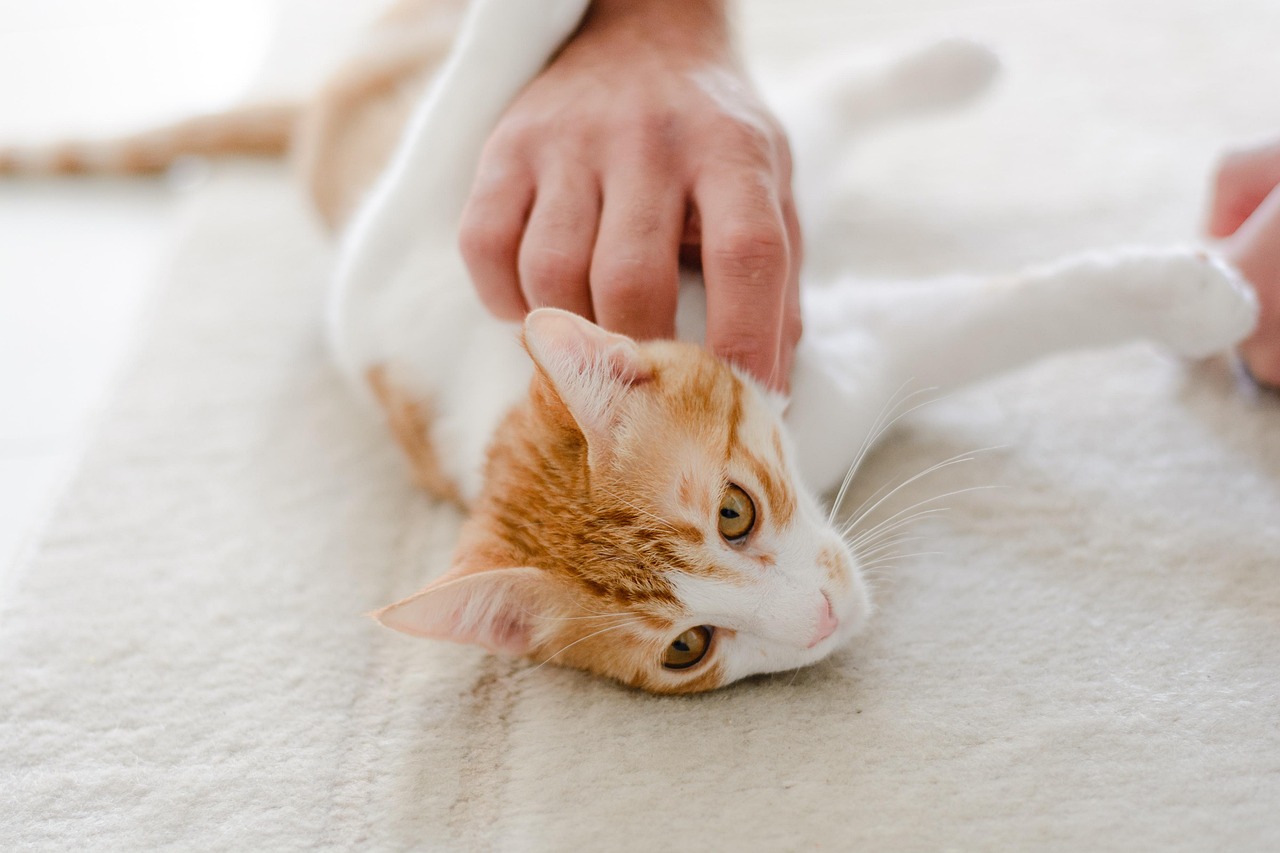

The Role of Cat Communication in Multi-Cat Households and Human Interaction
Effective communication plays a pivotal role in the dynamics of multi-cat households. When you have several cats, understanding their unique signals and behaviors becomes fundamental. Each cat possesses its own way of expressing needs and feelings, whether it’s through vocalizations, body language, or behavioral cues. For example, a cat may meow to get your attention or purr when feeling comfortable. Recognizing these nuances helps reduce misunderstandings not only between the cats but also between humans and their feline companions. Pay attention to changes in behavior to understand if your cats are stressed, bored, or content. Fostering healthy communication not only enhances feline relationships but strengthens the bond between cats and their human caregivers. Humans can observe their cats closely and spend time interpreting their behaviors; being attentive to these cues helps in creating a harmonious environment. This can lead to less territorial disputes, improved playtime, and better overall well-being for everyone involved. It takes time and patience, but the effort pays off significantly, resulting in a peaceful multi-cat home. For tips, consult experts or feline behaviorists who can provide additional guidance in this area.
Understanding cat communication also includes recognizing the social structure among multiple cats. Cats exhibit a hierarchy based on their personalities, experiences, and interactions with one another. In a multi-cat household, some may take on dominant roles, while others become more submissive. This dynamic impacts not only how they communicate but also how they interact with their human companions. For instance, dominant cats might engage humans assertively, seeking their attention often. On the contrary, submissive cats may hesitate, observing before making any moves toward interactions. It’s essential to nurture a respectful atmosphere where all cats feel safe and secure. Work on positive reinforcement strategies for good behavior, rewarding them with treats or praises when they demonstrate healthy interactions with other cats and humans. By promoting positive behaviors, you’ll foster stronger communication among the cats themselves. Observing each cat’s daily routines and individual personalities helps adjust your approach appropriately, ensuring every cat has the opportunity to thrive. By embracing these diverse communication aspects, you create a balanced environment, reinforcing and enhancing the bonds amongst all cats in your home.
Humans play a significant role in facilitating and interpreting cat communication. Recognizing when a cat is feeling anxious, playful, or territorial can help mitigate potential conflicts. Each type of vocalization serves specific purposes. For example, hissing or growling often indicates displeasure or fear, while chirping may signal excitement or eagerness to explore. Being observant towards these vocalizations allows humans to respond appropriately to various situations. Moreover, understanding body language adds another layer of clarity to cat communication. Cats may exhibit relaxed body postures when comfortable, while an arched back could signify distress or aggression. Interpreting these visual cues helps deepen your understanding of their emotional states. Creating a safe, enriching environment for your cats, with adequate space and resources, enables them to express themselves naturally. Encouraging interaction can involve engaging them with toys or creating vertical space, like cat trees, where they feel secure. When humans foster these environments alongside understanding communicative behaviors, it leads to a much happier household, resulting in fewer conflicts and more harmonious relationships. This can be particularly beneficial when you have multiple cats under the same roof, promoting peaceful coexistence between all felines.
The Importance of Play in Cat Communication
Playtime is a crucial aspect of cat communication, especially in multi-cat households. Engaging in play offers an opportunity for cats to interact positively, develop social bonds, and express their predatory behaviors. When cats chase and pounce on toys, they’re not only practicing their hunting skills but also communicating excitement and enjoyment to each other and humans. Structured play sessions create a shared experience, helping to alleviate tension and build trust among cats. Additionally, varying the types of toys can stimulate engagement, allowing each cat’s personality to shine through during these interactions. Toys like feather wands or laser pointers encourage the cats to chase and interact with each other, fostering more dynamic bonds. Observing how different cats play can give insights into their communication styles and preferences. Playtime serves as a mutual language that strengthens relationships among felines and offers humans insight into the dynamics at play. Ensure all felines receive individual attention during play, preventing jealousy or competitiveness. By understanding the diverse ways cats use play to express themselves, you foster a nurturing environment that enhances all relationships within your multi-cat household.
Non-verbal cues are integral to cat communication within multi-cat households, allowing cats to express emotions and intents without vocalizations. For instance, tail positions signify a cat’s mood; an upright tail usually indicates curiosity or happiness while a low tail may suggest fear or anxiety. Moreover, ear positions, such as forward ears signaling interest or alertness, communicate a cat’s feelings regarding its environment. Observing these non-verbal signals leads to a clearer understanding of interactions between cats and their human owners. In multi-cat households, territorial behaviors often emerge; here, knowing the subtle signs can help you navigate potential conflicts efficiently. Provide separate zones and resources, like litter boxes and food bowls, to reduce competition. Encourage mutual grooming as an intimate display of trust and affection among cats. The more informed you are about these non-verbal cues, the better equipped you’ll be to respond to different situations that arise among the cats. This attentiveness reinforces your bond with your pets, fostering trust and creating a harmonious living environment that encourages communication. Through attentiveness, you cultivate a space where your cats feel understood and secure.
Additionally, fostering effective communication also empowers humans to recognize changes in their cats’ behavior that could indicate stress or health issues. Cats are masters at disguising discomfort, and sudden shifts in communication patterns may be their only signal of distress. An increase in hiding, decreased appetite, or withdrawal from social interactions warrant immediate attention. By noting these changes, humans can take appropriate measures, such as consulting veterinarians or behaviorists. Regularly observing your cats’ behavior can greatly improve your understanding of their wellbeing. Creating an environment that prioritizes comfort—like cozy resting spots or safe hiding places—reduces stress levels among multiple cats and enhances overall well-being. Adequate environmental enrichment will result in fewer behavioral issues as cats feel mentally stimulated and physically active. Incorporating interactive elements, such as scratching posts or climbing shelves, can reduce boredom and encourage positive communication. Moreover, nature-based solutions, like outdoor cat enclosures, enhance the living experience. Understanding these aspects of cat communication and behavior leads to a fulfilling and enriched life for all household members, highlighting the essential balance between human-feline interactions in multi-cat homes.
Conclusion: Building a Harmonious Multi-Cat Household
In conclusion, supporting effective communication between cats and humans is vital for creating harmony in multi-cat households. By nurturing understanding through non-verbal and vocal communication, as well as engaging play and routine observations, humans can cultivate a peaceful environment where all cats thrive. Promote positive interactions and offer enrichment opportunities to foster healthy bonds between cats. Additionally, being aware of each cat’s needs and personality traits enables tailored approaches that prevent conflict and encourage mutual respect. Communication is an ongoing process requiring patience, attention, and care for all involved. As you work towards building a harmonious multi-cat household, remember to continuously observe and adjust your methods to suit the unique dynamics present. This will enhance your bonds with your feline friends, turning your home into a sanctuary of joy and mutual affection. Through understanding the subtle and complex ways in which cats communicate, we can all become better caregivers and companions. Effectively addressing these aspects not only ensures a peaceful coexistence but enriches the lives of our beloved feline companions.
In the realm of cat communication, each behavior holds significance. These interactions shape the relationships between cats and their human companions, offering a glimpse into their emotional world. The importance of fostering and understanding communication cannot be overstated. Observing, interpreting, and responding to these signals deepens the trust and affection shared, paving the way for healthier, happier multi-cat households. By investing time in learning about your cats’ behaviors and preferences, you create a space that honors their individuality while nurturing their connections with one another. The journey to achieving effective communication with your felines is a rewarding endeavor, filled with moments of joy, discovery, and growth. Together, both humans and cats can flourish in an environment that celebrates understanding and empathy.