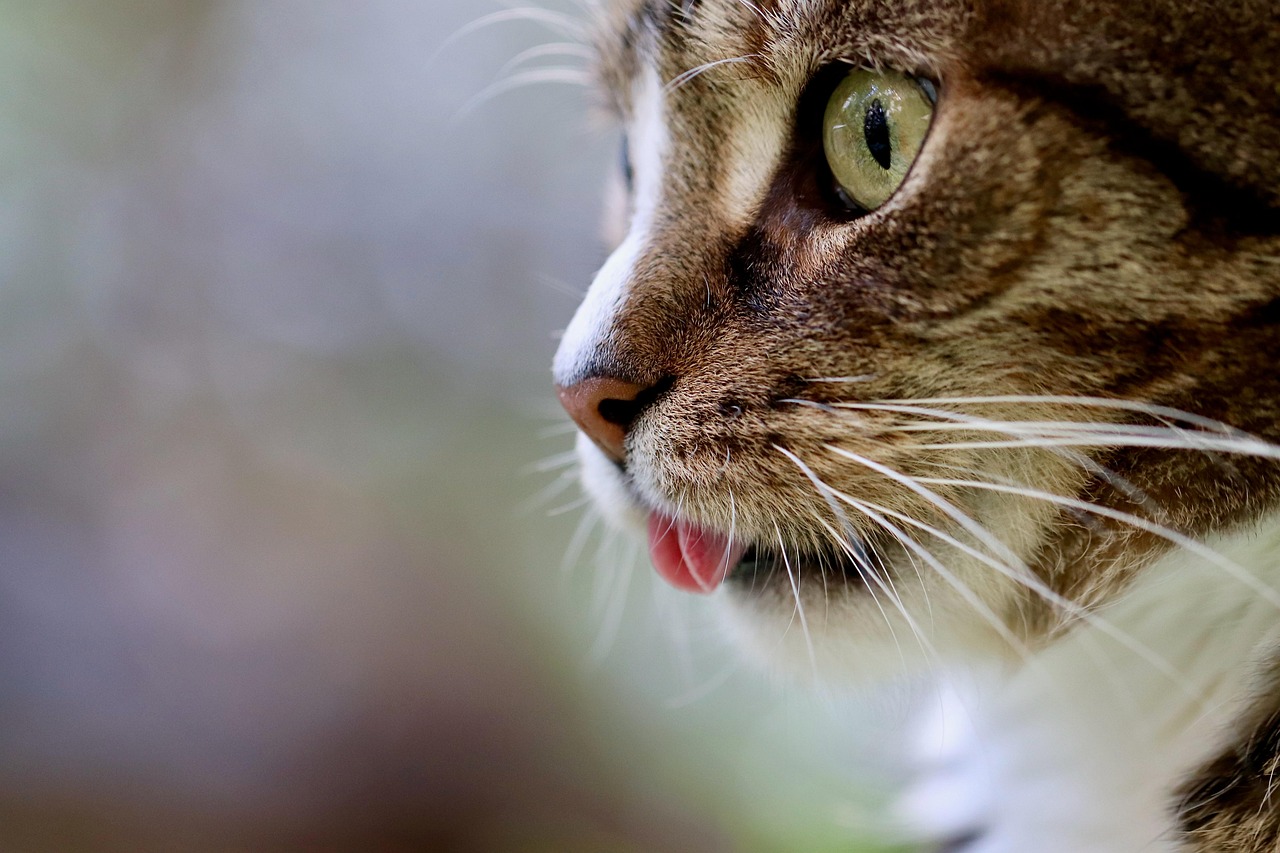

Veterinary Advances in Parasite Control for Aging Cats
As cats age, their immune systems become less efficient, making them more susceptible to parasites. Understanding the unique needs of senior cats is crucial for effective parasite management. Recent advancements in veterinary medicine have led to more effective treatments tailored specifically to older felines. The nature of these parasites can vary, including fleas, ticks, and intestinal worms, each presenting different challenges. Flea and tick treatments have become safer and more effective, featuring topical and oral medications that are easy to administer. Some of these formulations work through sustained-release systems, providing longer-lasting protection. Additionally, increased awareness of the risks associated with each type of parasite helps inform treatment decisions. Regular veterinary visits are essential for senior cats, ensuring that any potential infestations are caught early. Owners should ask their veterinarians about the latest medications available, as many are designed with older cats in mind. The aim is to maintain the quality of life for these cherished companions, allowing them to enjoy their golden years free from uncomfortable parasite infestations. Effective parasite control not only protects cats but also helps to safeguard human health by reducing zoonotic risks.
Understanding Parasite Risks for Senior Cats
Parasites can pose significant health risks to older cats, leading to various health complications. Senior cats often face challenges like decreased mobility and lethargy, which can exacerbate the impact of parasitic infections. Fleas are not just a nuisance; they can lead to anemia in older cats due to blood loss. Furthermore, intestinal worms may cause severe malnutrition as they absorb nutrients, complicating an already weakened state. Understanding the symptoms of parasitic infections is vital for early detection and treatment. Watch for signs such as weight loss, vomiting, diarrhea, or changes in behavior. Regular fecal exams are recommended for senior cats to monitor their health status. Moreover, the use of preventative medications should be consistent, as it is easier to prevent infestations than to treat them once they occur. It is crucial to educate cat owners about the importance of environmental control, including vacuuming and washing bedding regularly to eliminate potential flea habitats. Overall, a proactive approach will enhance the health and vitality of senior cats, ensuring they remain protected. Consultation with a veterinarian ensures both effective and appropriate treatment tailored to the individual cat’s health status.
Oral and topical treatments have evolved, providing effective solutions for controlling parasites. Innovations in veterinary pharmacology have led to a range of options that work on different parasite life cycles. For instance, some new formulations target flea eggs and larvae, breaking the cycle before they become problematic. Regular administration of prophylactic medications is vital. Moreover, veterinarians can recommend combination therapies to cover multiple types of parasites simultaneously, which is especially useful for aging cats that may be dealing with various infestations. This poly-pharmaceutical approach reduces the overall burden on the cat’s health. Additionally, ongoing research is focusing on the use of natural products and holistic approaches in parasite control, which may appeal to cat owners seeking alternatives to synthetic medications. While these options can complement traditional treatments, they should be used with caution and under veterinary guidance. Ensuring that senior cats receive regular veterinary check-ups allows for timely assessments of their treatment plans. This way, any necessary adjustments can be made to optimize parasite management effectively. Such an integrated approach not only improves the efficacy of treatments but also enhances the overall well-being of aging cats, making them comfortable in their senior years.
The Importance of Regular Health Check-ups
Routine veterinary check-ups are critical for seniors, as they help monitor parasite control effectiveness. Evaluating a senior cat’s overall health ensures that parasite treatments remain appropriate for their age and condition. These check-ups also allow for adjustments to be made to the treatment regimen as necessary. In addition, check-ups provide opportunities to discuss preventive measures, including nutritional support, to strengthen the immune system. Nutrition is crucial because older cats might not absorb nutrients as well as younger ones. Veterinary professionals can provide guidance on diet formulations with high-quality protein and essential fatty acids that promote good health and vitality. Furthermore, regular examinations can identify underlying health issues that may worsen the impact of parasites, such as kidney disease or diabetes. Early detection and treatment of these diseases are key strategies in managing a senior cat’s health. Close monitoring ensures the best possible health outcomes, especially when dealing with the complications arising from parasitic infections. It’s essential to maintain a health record that tracks treatments and responses over time, which helps in making informed decisions. Owners can work closely with their vet, ensuring their senior cat’s health is prioritized during regular visits.
Environmental control plays a crucial role in reducing parasite infestation in senior cats. As parasites can thrive in homes, it’s important to implement proactive measures to create a parasite-free environment. Regular cleaning routines involving vacuuming and washing pet bedding are essential. Additionally, treating the home with veterinary-approved insecticides or flea preventatives helps reduce the likelihood of infestations. Caution must be exercised when using chemicals near senior cats, as they might have adverse reactions. Providing a safe space that limits outdoor exposure can also minimize contact with wild animals that may be carriers of parasites. Discussing outdoor access with your veterinarian can help assess the risk profile for your aging pet. Moreover, managing multi-pet households necessitates special considerations to prevent cross-contaminations from parasite infestations. Isolating new pets for health checks before integration into the home can prevent the spread of parasites. Also, consider monitoring outdoor times, particularly during peak flea seasons. Regular grooming and bathing, combined with preventive medications, further support an effective environmental control strategy. By addressing both health and environmental factors, owners can significantly enhance their aging cats’ comfort and quality of life.
Behavioral Changes Indicating Parasite Infestation
Sometimes, behavioral changes in senior cats can signal an underlying parasite issue. Common signs can include increased grooming, irritability, or changes in appetite. It is essential for cat owners to be observant and attentive to these behavioral shifts, as they can indicate discomfort caused by parasites. Increased grooming might be a sign of itching due to fleas or allergies, leading to hair loss and skin irritation. Observing these signs early on provides a significant advantage for timely intervention and treatment. Additionally, changes in litter box habits may indicate intestinal parasites affecting the cat’s well-being. Weight loss, lethargy, or even vomiting can manifest as behavioral issues resulting from parasite infestation. Keeping a journal of these changes can aid vets in making an accurate diagnosis. Another essential factor involves understanding the natural instincts of cats; some may hide their pain or discomfort. As a result, a proactive approach to healthcare, including regular consultations with a veterinarian, promotes good health practices. Regular wellness checks and keeping up-to-date with treatments help catch issues early, enabling aging cats to live more comfortably, ensuring their happiness and well-being is prioritized.
Finally, educating cat owners about parasite prevention and the importance of maintaining health is paramount for aging cats. It is essential to encourage a strong partnership between pet owners and veterinarians to ensure the best outcomes for senior felines. Sharing reliable sources of information where cat owners can learn about new treatments and advancements can empower them to make informed health decisions. Also, promoting awareness of potential health risks associated with parasites helps reinforce the need for early detection strategies. Building a support network of fellow cat owners and understanding community resources creates an ecosystem supporting responsible ownership. With advancements in veterinary medicine, many effective options exist for preventing and treating parasites in older cats. By taking their cat’s unique needs into consideration, owners can tailor their strategies for better health outcomes. Comprehensive training sessions or informational workshops can also help equip pet owners with the knowledge they need. Healthy aging for cats is achievable through awareness, consistent veterinary care, and responsible pet ownership practices. This commitment ensures senior cats maintain comfort in their later years while remaining happy, healthy companions.