
Why Does My Dog Growl When Eating?
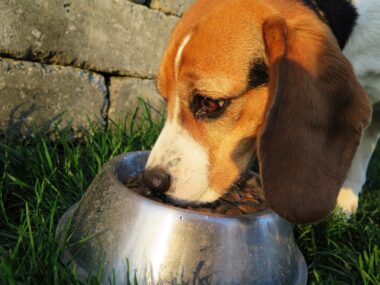
Many dog owners find themselves puzzled when their furry companions exhibit growling behavior during meal times. This phenomenon can lead to concern about potential aggression or behavioral issues. Understanding why dogs growl while eating is essential for effective training and ensuring a harmonious environment. The growling can serve as a warning, signifying a desire for space around their food. Dogs, much like their wild ancestors, often have a natural instinct to guard resources. By allowing growling to occur, owners may inadvertently facilitate this behavior through inadequate intervention.
Resource guarding is a significant factor in canine growling behavior. When dogs perceive their food as a valuable resource, they may feel threatened by the presence of humans or other animals nearby. This protective instinct can manifest as growling, serving as a communication method to signal their discomfort. By recognizing this instinctual behavior, pet owners can assess their dog’s body language and overall temperament. In many cases, behavior modification techniques can alleviate this issue and create a more relaxed dining atmosphere. Positive reinforcement techniques may play a vital role in altering resource guarding behaviors.
Training Strategies for Growling Behavior
Implementing effective training strategies can help reduce growling during mealtime. One way to encourage a positive eating environment is by creating a designated space where the dog feels safe to eat without disturbance. Feeding them in a quiet area may significantly decrease their anxiety levels, leading to reduced growling. Gradually introducing family members or other pets to the feeding area during events can help desensitize the dog to their presence. This proactive approach aids your dog in developing trust and security while consuming their meals.
Incorporating positive reinforcement training is another essential step in addressing growling. When your dog demonstrates calm and non-aggressive behavior during feeding times, rewarding them with praise or treats will reinforce that behavior. Consistency is key, and ensuring that every member of the household is on board with these training methods is critical for success. Familiarity with surroundings during meal times will create a less stressful experience for the dog, ultimately helping to eliminate aggressive tendencies over time. This training will require patience and time.
Managing Feeding Zones
Managing the feeding zones of multiple pets can further assist with growling issues. Ensure that each dog has its own designated feeding area, thereby minimizing competition and potential conflicts during meal times. Keeping to a schedule ensures that dogs know when to expect meals, promoting calmness and trust. By implementing structured feeding times, you can help dogs associate food with positive outcomes. This control over their environment allows dogs to develop a more subdued demeanor while eating, reducing the likelihood of aggressive behavior.
Understanding the underlying causes behind your dog’s growling can be beneficial for both the owner and the pet. It’s important to remember that growling is a form of communication. This vocalization shouldn’t be dismissed or punished without comprehending its context. Ignoring or penalizing the growling may lead to further behavioral problems down the road. Instead, focusing on the root of the issue and addressing it with care, patience, and appropriate techniques fosters a healthy relationship between you and your dog.
Seeking Professional Help
In cases where growling persists despite your best efforts, consulting a professional dog trainer or behaviorist may become necessary. Professional help can provide valuable insights into your dog’s behavior and offer targeted training plans tailored to your dog’s needs. Many trainers utilize humane methods to encourage positive behaviors while discouraging aggression. Since every dog is unique, working with an expert can yield personalized strategies, ensuring effective solutions are applied. This collaboration is beneficial in addressing aggressive behaviors for long-term success.
Ultimately, a dog’s growling behavior during feeding time is often rooted in instinctual responses rather than outright aggression. By providing a safe, structured environment, alongside careful observation of your dog’s needs and reactions, owners can promote a peaceful dining experience for their dogs. Maintaining awareness of your dog’s body language can help distinguish between playful growling and potential signs of stress or discomfort. With the right approach, pet owners can foster a loving relationship while minimizing problematic behaviors at mealtime.