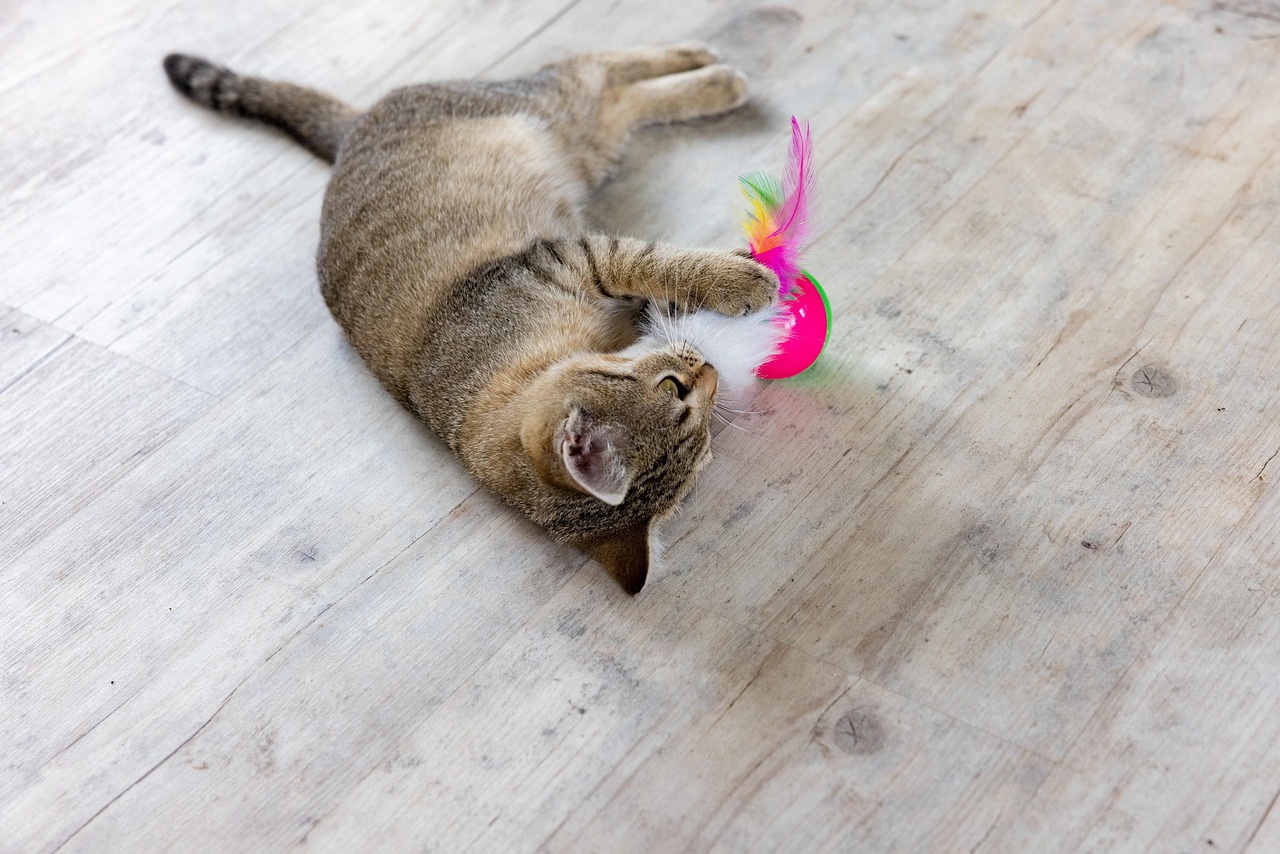

Why Playtime is Essential for Indoor Cats
Indoor cats require consistent engagement to maintain their physical and mental well-being. Playtime is crucial as it stimulates their natural instincts. Engaging in regular play fosters an active lifestyle. Cats are natural hunters. Initially, they might explore a toy delicately before pouncing with fierce energy. Moreover, interactive play helps build bonds between cats and their owners. A relationship based on trust and stimulation is vital for a happy feline. Furthermore, outdoor access is limited for many indoor cats, making play a substitute for hunting. It’s essential to provide various toys to keep them engaged. Some engaging options include feather wands, laser pointers, and various catnip-filled toys. Establishing a daily play routine can enhance a cat’s life significantly. It prevents obesity, loneliness, and boredom. Additionally, play reduces the potential for destructive behaviors that arise from pent-up energy. This habit can lead to your cat becoming more relaxed and social. Play isn’t merely a pastime; it’s a critical aspect of feline welfare that enhances both physical and emotional quality of life.
Understanding the types of play enhances how cats engage during their exercise. Play can be categorized as social or solitary, with each offering unique benefits. Social play typically involves interaction between the cat and a human or another pet, which reinforces social bonds. Activities like chasing a string or feather encourage bonds and communication between pets and humans. Solitary play allows cats to engage independently. Cats can also show creative ways to entertain themselves with minimal supervision. A box can be the ultimate haven for fascinating exploration, letting their imaginations roam. Additionally, enticing toys that mimic prey encourage physical movement, stimulating their predatory instincts. Owners should observe their cats’ preferences to incorporate the right kind of play into their routine. It’s essential to change toys regularly to prevent boredom. Switching out toys can keep playtime exciting and engaging, helping them adapt to varying levels of complexity. Ultimately, mixing social and solitary play will yield the best results in keeping indoor cats physically fit and mentally alert. An adaptive play strategy will foster a well-rounded cat, ensuring lasting benefits for its health.
The Role of Toy Selection in Playtime
Choosing appropriate toys is critical for enjoyable and safe playtime. Quality toys should be stimulating, safe, and suited to the cat’s age. When selecting toys, consider materials; some pets can be sensitive to certain fabrics or plastics. Toys should be sturdy enough to withstand extended play without breaking apart. Soft toys encourage gentle play, while hard toys can withstand a more vigorous approach. Additionally, toys that mimic prey’s movement can trigger a cat’s hunting instincts naturally. Balls, springs, and feathered toys are exemplary choices that simulate these motions, creating an engaging experience. Moreover, interactive toys such as puzzle feeders offer mental stimulation. They challenge the cat to think and strategize to access hidden treats. This can reduce boredom and its associated behaviors effectively. Observation can help determine which toys your cat favors. Notice how they interact with various options. Variety ensures novelty, preventing fatigue for both the owner and the cat. Rotate new toys regularly to maintain interest. In conclusion, toy selection is essential to facilitate a stimulating play environment that benefits both play and cat behavior.
Daily playtime can significantly impact your cat’s health and happiness. Engaging in consistent activity helps improve muscle tone, joint flexibility, and overall fitness. Cats can be prone to obesity, and without regular exercise, their weight can spiral out of control. Incorporating play helps combat these issues. Furthermore, mental stimulation from play can ward off behavioral problems. Indoor cats might become frustrated due to confinement, leading to destructive behaviors like scratching or excessive meowing. Regular engagement through play mitigates these issues effectively. Playtime has also been beneficial in alleviating stress in both cats and their owners. Watching a cat actively engage in play can be a joyful and calming experience for cat parents. This quality time strengthens the cat-owner bond, creating a sense of security for the pet. Additionally, play helps to normalize behavioral patterns, making interaction easier and more enjoyable for both sides. It’s also vital for younger kittens. Early experiences shape their development, enhancing social skills and confidence when they engage with adult cats. Prioritizing playtime contributes to a well-adjusted kitty and a more harmonious household.
Health Benefits of Regular Play
Engaging in play offers numerous health benefits for indoor cats. Regular physical activity helps maintain healthy weight, enhancing heart and lung function while preventing arthritis. Importantly, maintaining a healthy lifestyle reduces the risk of diabetes, heart disease, and other weight-related health issues affecting felines. Additionally, mental stimulation boosts cognitive abilities and minimizes the onset of anxiety or depression. Just as humans require exercise for mental clarity, so too do cats. Playing also helps release pent-up energy, allowing for calmness after a vigorous session. Regularly engaging playtime can dramatically improve a cat’s emotional state. During play, they release endorphins, contributing to overall happiness and satisfaction. Healthier cats exhibit fewer behavioral issues, enhancing both the cat’s and the owner’s enjoyment of the companionship. Furthermore, observed playtime can signal when a cat shows signs of illness. If a once-active cat becomes disinterested, it may indicate health problems, emphasizing the importance of attentive play. Overall, regular playtime fosters not just physical benefits but crucial psychological rewards, establishing a foundation for a better life. It’s crucial for longevity and satisfaction throughout a cat’s life.
Introducing new activities or toys into your cat’s play routine can rejuvenate interests and behaviors. Cats thrive on novelty, and introducing fresh play options at intervals can keep their environment stimulating. Changing up play styles can also enhance engagement. For instance, incorporating climbing structures and ramps offer both physical activity and mental challenges. These features incorporate varied heights, appealing to natural climbing instincts, and offering exploration opportunity—fostering curiosity. Furthermore, organizing play dates with other friendly cats provides social opportunities to stimulate interaction. A change in environment during these playdates can be equally beneficial, offering exposure to new scents and experiences. Observe your cats in a group. Their interactions can reveal personality traits, drive social instincts, and inform you about their preferences. Don’t hesitate to try various combinations of toys and play styles. Watching their reactions can be gratifying and can help fine-tune your approach. Emphasize relaxed and fun moments. Maintain patience and empathy; cats can sense your mood and respond positively to an engaging and enthusiastic atmosphere. Ultimately, embracing novelty will ensure your cat enjoys a full life filled with exploration and joy through play.
Conclusion: Prioritizing Play for a Happy Cat
In conclusion, acknowledging the significance of play in your cat’s life is essential for overall well-being and happiness. Providing regular opportunities for engagement through various interactive toys leads to improved physical fitness, emotional health, and a loving human-feline bond. Building a harmonious environment conducive to play is crucial. Ensuring toys are safe and stimulating caters to your cat’s natural instincts effectively. Rearranging play styles intentionally re-engages interest, keeping your indoor cat entertained. Regular interaction also helps prevent behavioral issues, fostering emotional connections while providing critical mental challenges. Make playtime a priority in your daily routine; it strengthens relationships as much as it builds health and wellness. As a responsible cat owner, investing time in play nurtures trust, affection, and joy for you and your cat. Incorporate these suggestions into daily life and observe the changes in your cat’s behavior and happiness. Ultimately, a playful environment not only contributes to a fulfilling life for indoor cats but also deepens the bond between you and your furry companion. Prioritizing play is fundamental; it encourages thriving and excitement for a fulfilling feline existence.
This is another paragraph with exactly 190 words…