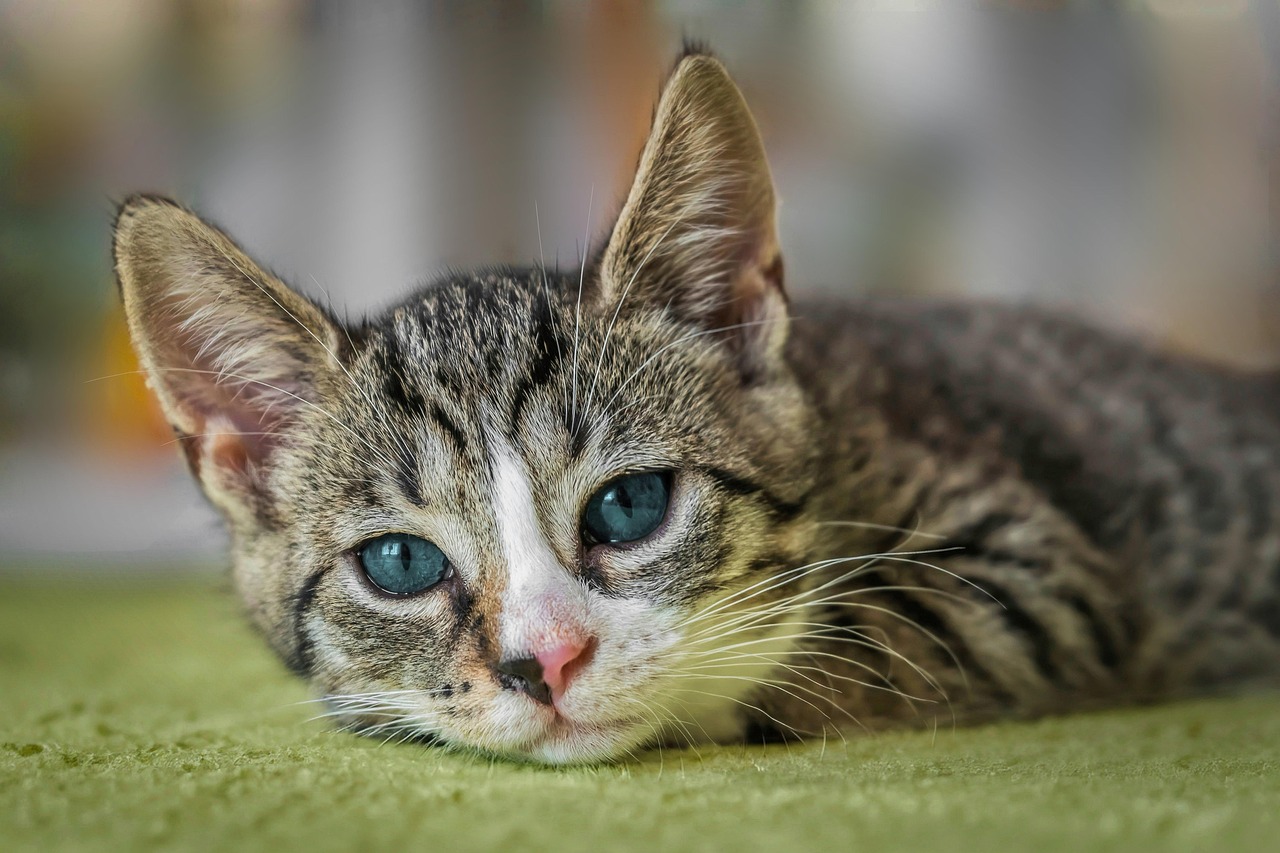

Avoiding Puppy Mills: Ethical Sale Tips for Kittens
The sale of kittens should be approached with a focus on ethics, ensuring that breeders prioritize the health and well-being of the animals. One primary aspect of ethical kitten sales is avoiding support for puppy mills. These mills are notorious for producing kittens under inhumane conditions, prioritizing profit over animal welfare. When looking for a new feline companion, it is essential to choose a responsible breeder who adheres to ethical standards. This means checking for transparency regarding their breeding practices, ensuring the kittens are raised in a nurturing environment, and that they receive proper veterinary care. Take your time to research breeders. Visit their facilities if possible, as this allows you to witness the living conditions of the kittens firsthand. Ethical breeders will be happy to answer any questions about their practices and the kitten’s lineage. They should also provide evidence of the health of both the parents and the kittens being sold. By supporting reputable breeders, you are contributing to a culture that values animal welfare while ensuring that your future pet has the best start in life.
Understanding Puppy Mills
Puppy mills are commercial breeding operations that prioritize profit over animal welfare, often resulting in serious health and behavioral issues in pets. These places typically operate without regard to the conditions in which the animals are raised, leading to overcrowding, lack of veterinary care, and poor nutrition. Kittens raised in these environments may experience trauma and other long-term health effects. Understanding what constitutes a puppy mill is crucial for potential cat owners. Such facilities usually sell animals through online ads, pet stores, or at flea markets, all aimed at maximizing sales. It’s incredibly important to educate yourself about the defining characteristics of puppy mills so that you can avoid them at all costs when seeking a new kitten. When searching for a kitten, be vigilant. If the seller seems more interested in making a sale than answering questions about their breeding practices or providing health clearances, consider this a red flag. The goal is to ensure that you choose a source that values ethical practices, like health screening for both parent cats and their offspring, leading to a healthier animal for your family.
Ethical breeders work diligently to ensure the health and emotional well-being of their kittens. This includes socializing them early, exposing them to various stimuli, and providing a clean, loving environment. When seeking out a kitten, consider asking breeders about their socialization practices. Responsible breeders will have a structured approach to early interactions, which helps kittens develop into well-adjusted pets. In addition to socializing, ethical breeders also engage in responsible breeding practices that consider genetic health risks. They perform health testing on breeding cats and are selective about who they breed with, aiming to lower the risk of hereditary diseases. By prioritizing genetics, these breeders contribute to producing healthier kittens with fewer health issues over their lifetimes. Moreover, an ethical breeder often provides a written contract with each kitten sold, ensuring that you know what to expect in terms of health guarantees and return policies if the situation arises. Always read through any contracts carefully and do not hesitate to ask questions. Remember, an ethical purchase is not just a transaction; it is a commitment to caring for a new pet and ensuring their well-being.
Questions to Ask Breeders
Before purchasing a kitten, asking the right questions can help verify if a breeder is ethical and responsible. Start by asking about the expected lifespan of their kittens’ breeds, as this can reveal the breeder’s knowledge and commitment. Inquire about health tests conducted on the parent cats—this usually guarantees that genetic diseases are not passed down to kittens. Furthermore, do not hesitate to ask for references from previous customers. A reputable breeder will gladly provide this information. References can give you insight into the experiences of others who have purchased kittens from them, ensuring awareness of what to expect. It is also essential to inquire about the kittens’ early life, including how they are socialized and exposed to various environments. This will inform you about the kitten’s temperament and adaptability. Additionally, ask what support the breeder offers after the sale, such as guidance on transition and care, which indicates their ongoing commitment to the animals they breed. Each of these questions contributes to your understanding of the breeder’s approach and dedication to ethical practices.
When you adopt a kitten, one crucial aspect is ensuring that you have everything necessary to create a loving environment. Begin by preparing your home for your new pet. This means setting up a safe space with essentials such as a litter box, food and water dishes, comfortable bedding, and appropriate toys. Cats are naturally curious, and kittens often explore their surroundings. Providing a safe, stimulating environment can help ease their transition. Ensure to cat-proof your space by removing potentially harmful items like toxic plants or small objects they could swallow. As for diet, consult with your breeder or veterinarian for recommendations on the right food for your kitten’s age and breed. Nutrition plays a significant role in a kitten’s growth and health. In addition to basic supplies, consider investing in scratching posts to satisfy their natural instinct to claw. This not only encourages healthy behavior but also protects your furniture. Being well-prepared facilitates a smoother adjustment for your new friend. Ultimately, a little preparation goes a long way in ensuring your kitten feels secure and comfortable in their new home.
The Importance of Spaying and Neutering
Spaying and neutering are vital steps in responsible cat ownership and can have a profound impact on your kitten’s health and behavior. When you adopt, it is crucial to discuss spaying or neutering options with your veterinarian if not already performed by the breeder. These procedures prevent various health issues such as certain cancers, uterine infections, and behavioral problems like territorial marking. Additionally, spaying and neutering contribute to controlling the pet population, which is crucial in preventing shelters from becoming overcrowded. By ensuring your pet is spayed or neutered, you’re actively participating in the effort to reduce the number of homeless animals. Make sure to schedule the procedure at the appropriate age, as vets generally recommend it around five to six months. After the surgery, it is essential to provide your kitten with a calm environment for recovery, monitoring them for any signs of distress or complications. By following proper post-operative care, you are setting your kitten up for a healthy and happy life. Remember that responsible pet ownership involves making sound decisions for the well-being of your furry companion.
Ultimately, when seeking to ethically purchase a kitten, education plays a vital role in ensuring the well-being of your future pet. Start by researching various breeds to identify which one suits your lifestyle best. Understanding the unique characteristics and needs of different breeds helps you make informed decisions. Responsible breeders can provide valuable insights into specific breeds, further guiding your choice. Make a list of questions to ask during your initial conversation with breeders; this ensures you cover all necessary topics. Additionally, attending cat shows or breed-specific events can offer you firsthand experiences with different breeds, allowing you to meet kittens in person. Such opportunities can help inform your decision about which kitten feels right for you. Consider talking to fellow cat owners; their experiences and insights can be invaluable. Also, local animal shelters or rescue groups might have kittens available for adoption, providing another avenue for purchasing a kitten ethically. Whether you opt for a breeder or a rescue, remember that being a responsible owner means committing to your kitten’s health and happiness throughout their life.
As you embark on the journey of finding an ethical source for your kitten, embracing the responsibility that comes with pet ownership is essential to provide a fulfilling and loving experience. Consider adopting a kitten from a shelter or rescue organization, as this helps combat the issue of overpopulation and gives another animal a chance for a loving home. Research local shelters, as many have various kittens awaiting adoption and are operated by individuals who prioritize animal welfare. Adopting can be an immensely rewarding experience, as it not only saves a life but also adds joy to your household. Keep in mind that adopting doesn’t mean you are compromising on quality; many shelter kittens are well-socialized and come with health checks. Additionally, shelters typically provide post-adoption support, answering any questions you may have as your new friend settles into their environment. Whether purchasing from a responsible breeder or choosing to adopt, your focus should remain on ethical practices that prioritize the health and happiness of kittens, creating a loving home for your new companion and contributing positively to animal welfare.