
Combining Diet and Exercise for Senior Dogs’ Wellbeing
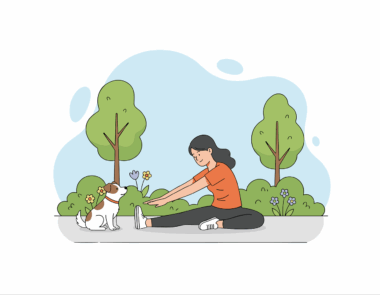
As dogs age, maintaining their health becomes a top priority for owners. Regular exercise plays a significant role in ensuring that senior dogs stay mobile and energetic. Several low-impact exercises cater specifically to their needs, avoiding unnecessary strain. Pet owners should focus on gentle activities that stimulate their dogs physically and mentally. Walking, for instance, is an excellent low-impact exercise that promotes cardiovascular health. It’s also essential to incorporate stretching exercises to maintain flexibility. Additionally, engaging in swimming can offer a fun way for senior dogs to get their exercise without stressing their joints. Owners must also pay close attention to their dog’s responsiveness, ensuring it is appropriate for their health condition. Encouraging socialization through playdates or group walks can encourage motivation. It’s crucial to adapt the duration of these activities, taking into account the dog’s stamina. Regular behavioral training during exercise can keep their minds sharp. Lastly, consulting with a veterinary professional can provide insights tailored to your dog’s specific health status, ensuring they receive safe, enjoyable care as they age.
Effective and Safe Exercises for Senior Dogs
When considering the best exercises for senior dogs, owners have numerous options to keep them physically active while ensuring they are safe. Walking on level surfaces ensures the dog can maintain balance without overstretching their muscles. Owners can also incorporate short sprints or gentle jogs into their walks, promoting cardiovascular fitness. Low-impact activities such as fetch can be modified by using soft toys that are easy on the dog’s mouth. Additionally, puzzle toys can stimulate the mind, making exercise both fun and engaging. Gradually introducing these activities is essential; warm-ups can help prepare aging joints and muscles for physical activity. Physiotherapy exercises, tailored for senior dogs, focus on specific needs, enhancing mobility and flexibility. Using balance cushions can improve coordination and strength, essential for preventing injuries. Combining stretches before and after exercise can enhance flexibility. Swimming not only provides a full-body workout but also promotes joint health while offering a fun experience for dogs who enjoy water. Finally, creating a consistent routine can help in maintaining their enthusiasm as they engage with exercise, ensuring a happy and healthy lifestyle.
A proper diet goes hand-in-hand with exercise for senior dogs. Ensuring they consume a balanced diet rich in essential nutrients is crucial for their physical health. Specialized dog food for seniors often contains lower calories and fewer fats, essential for maintaining a healthy weight. Integrating omega fatty acids can improve joint health, while antioxidants support overall well-being. Owners should consult with a veterinarian to determine the best dietary plan, addressing any specific health concerns or conditions the dog may have. Hydration is equally important; ensuring access to fresh water is vital, especially after exercise. Treats can play a role in training; however, they should be healthy and portion-controlled to avoid overfeeding. Moreover, introducing vegetables as snacks can provide essential vitamins and minerals. Monitoring your dog’s weight and physical condition is important; any sudden changes may require adjustments to their meals or exercise routines. Additionally, mixing meals with wet food can make mealtime more enjoyable, especially for dogs that find it difficult to chew. Engaging them in meal preparation can keep them mentally stimulated, aligning both diet and exercise in promoting their overall health.
Cognitive health is an essential aspect of a senior dog’s well-being. Engaging their minds through interactive play or training can have a significant positive effect. Puzzle toys can keep senior dogs occupied while they work to retrieve treats. Mental stimulation alongside physical exercise combats the effects of aging and maintains alertness. Activities such as scent games require dogs to use their noses to find hidden treats, fostering cognitive function. Consistent training sessions, focusing on basic commands or tricks, can also keep their minds sharp. Additionally, social interaction with other dogs or people can provide valuable mental engagement. It’s beneficial to vary their routine occasionally, introducing new commands or activities. A change in environment, such as exploring different parks during walks, can stimulate their senses effectively. Owners should consider using positive reinforcement to encourage good behavior, enhancing the bond between dog and owner. Put simply, mental health is just as vital as physical health. Engaging the brain can significantly improve quality of life, making senior dogs feel more active and engaged, leading to happier, healthier aging.
Monitoring your senior dog’s health during exercise is crucial for preventing injuries. Regular vet check-ups can provide owners with insights into their dog’s overall health, making any necessary adjustments to their exercise routine advisable. Signs such as limping, excessive panting, or reluctance to exercise should never be ignored. If your dog exhibits any discomfort, it’s essential to consult with a veterinarian before continuing with the exercise regimen. Along with consulting a vet, attention to their weight is important; maintaining a healthy weight can prevent conditions like arthritis or diabetes, both common in senior dogs. Gradual warm-ups before physical activity can condition their bodies, reducing the risk of muscle and joint strain. To protect their joints, consider using supportive harnesses or even doggie boots for walks in harsh conditions. Furthermore, incorporating rest days into their schedule is essential for recovery. Monitoring their activity level at home can help ensure they remain within their limits without feeling overworked. Ultimately, ensuring their health is a priority can guarantee that they enjoy their daily exercise alongside their beloved owners.
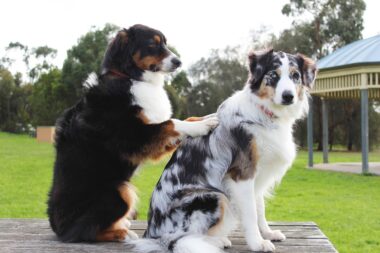
The role of companionship in a senior dog’s life cannot be overstated. Dogs are social animals, and they thrive on interaction with their families. This companionship can significantly reduce anxiety, ensuring that seniors feel safe and supported throughout their exercise routine. Engaging your dog in different physical activities alongside family members can motivate them, making exercise feel less like a chore. Additionally, having another dog can provide a sense of purpose, inspiring seniors to stay active and sociable. However, if adopting another pet isn’t feasible, increasing interaction through family members can create an enriching environment. Sharing meals, playtime, or simple moments of affection fosters an emotional bond. Positive interactions can encourage mental and physical engagement, ensuring your senior dog feels loved and cared for. Furthermore, with an increased sense of belonging through companionship, dogs tend to exhibit happier behaviors. Regular group walks not only provide physical stimulation but create social bonds for both pets and owners. Ultimately, companionship provides benefits beyond exercise, enhancing the quality of life for senior dogs.
Finally, combining both dietary adjustments and regular, low-impact exercises can lead to a better quality of life for senior dogs. Recognizing the significance of each element allows for a holistic approach to canine health. Owners can keep their senior dogs active and healthy while nourishing them with wholesome food and mental stimulation. Be proactive in seeking expert advice for personalized routines that best suit your dog’s needs. Setting realistic expectations enables a more manageable approach to sustainable health practices, allowing for gradual progress in both diet and exercise. Consistency is key, as both activity and nutritional habits will significantly impact their overall wellbeing. These small changes can lead to significant improvements in your senior dog’s life, ensuring they enjoy their golden years comfortably and happily. Building a routine combining regular vet visits, tailored diet plans, and consistent exercise will surely create a sense of stability for your dog. Investing time in understanding their needs ultimately leads to a happier, healthier life for your cherished pet. Commit to their health today, ensuring your senior dog thrives through their golden years with joy and vitality.