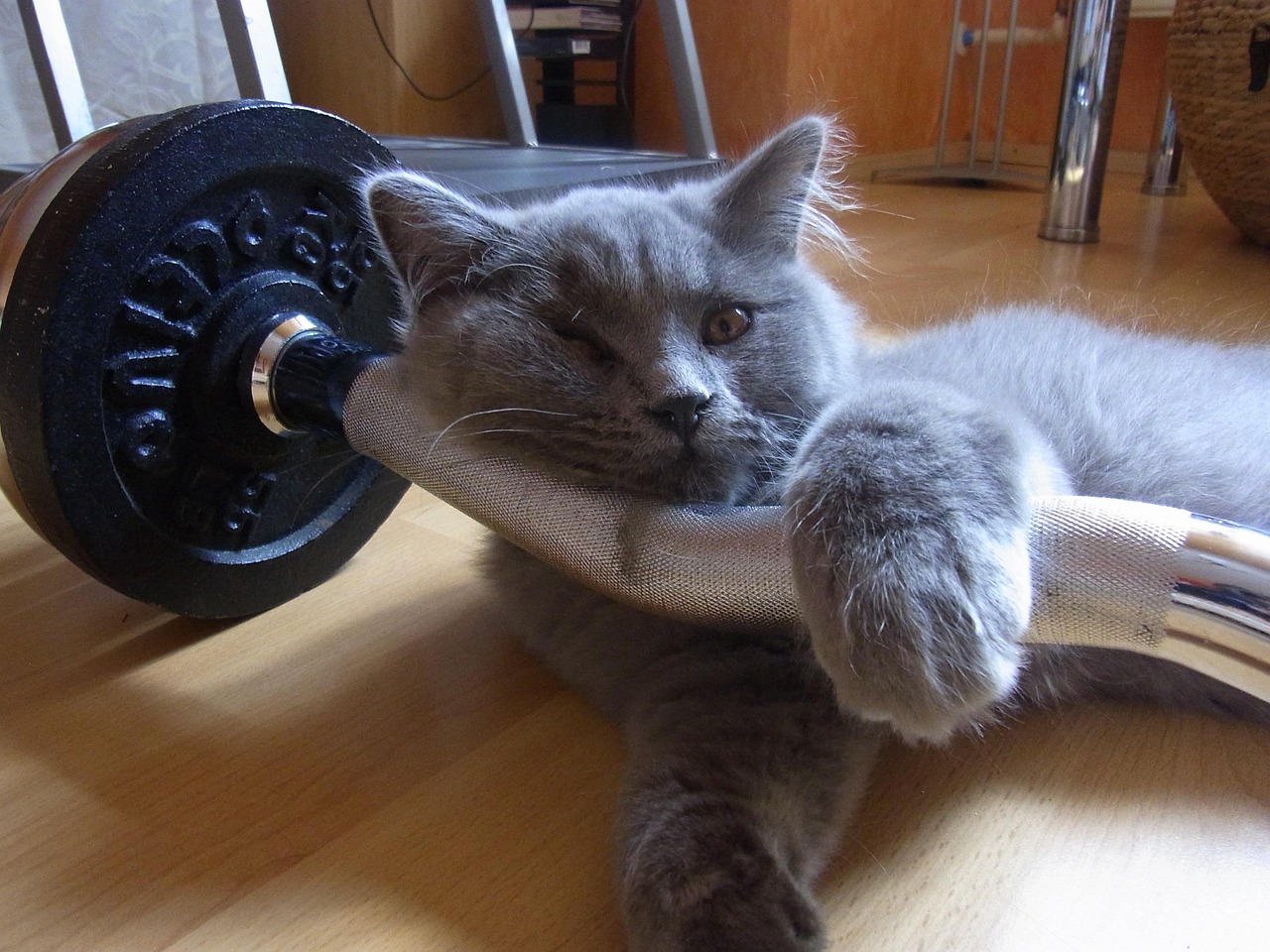

How to Maintain Consistency Using Cat Training Tools
Training your cat can be a rewarding experience, and using the right training tools is essential for success. Positive reinforcement tools, such as clickers or treats, can significantly improve your cat’s learning process. Consistency is key to effective training. To maintain this consistency, ensure that all family members understand and use the same commands and rewards. This creates a more predictable environment for your cat, aiding in their overall learning. For instance, if one person uses a verbal cue, others should do the same to prevent confusion. Maintaining a structured training schedule that aligns with your cat’s typical behavior patterns is also crucial. Just like humans, cats thrive on routine, which helps them anticipate training sessions. Using a daily log can help track your cat’s progress while you consistently apply the same techniques. This log can include notes on what rewards worked best or how your cat responded to specific commands. Always remember, patience is vital. Training takes time, so celebrate small victories to encourage both you and your feline friend during this journey.
Another essential aspect of maintaining consistency in cat training is choosing the right environment. Select a quiet space free from distractions so your cat can focus. When introducing new training tools, ensure that they are appealing to your cat. Items such as feather wands, laser pointers, and clickers can make training more engaging. Additionally, integrating play into training sessions can create a positive atmosphere, making your cat more eager to learn. Positive reinforcement emphasizes the rewards over corrections, so treat any mistakes as opportunities for further teaching. Reward your cat immediately when they perform the desired behavior. This helps your feline associate the behavior with positive feedback. When utilizing clickers, make sure to click just as the cat performs the action correctly, followed by a treat. Consistency in rewards is also important. Use the same types of treats each time so that your cat develops an understanding of what behaviors earn them. Moreover, consider using verbal markers and body language along with tools to enhance communication. This might involve a specific tone of voice or hand signals combined with your chosen tools.
Understanding Your Cat’s Behavior
Understanding your cat’s unique personality traits and behavior patterns is an important part of the training journey. This knowledge allows you to tailor your approach to their needs, ensuring effective training practices. Observing your cat’s reactions helps in selecting the right tools that resonate with them. For example, some cats respond better to food rewards, while others may prefer play as a reinforcer. This observation helps you to adapt and modify your training methods accordingly. Additionally, consider your cat’s age and energy levels. Younger cats might have more energy and require shorter, more frequent training sessions, while older cats may prefer longer sessions with fewer repetitions. Regularly assess whether your chosen tools and activities align with your cat’s current interests. If a training method seems ineffective, be flexible in your approach. Using positive reinforcement is also a fantastic way to build trust. This approach leads to a strong bond between you and your cat, making training sessions more enjoyable and productive. Your cat will then associate training tools with positive experiences, which encourages their willingness to engage in future training.
Incorporating variety into your training can also greatly help maintain consistency while preventing monotony. Cats, much like humans, may lose interest if training feels repetitive. Rotating different tools and exercises will keep your cat mentally stimulated. For instance, switch between clicker training and utilizing treats, or introduce novel toys to maintain your cat’s interest. Similarly, varying the locations within your home where training takes place can break the routine without compromising the consistency aspect. Ensure that any variation is gradual to avoid overwhelming your cat. Offer mini-breaks during training sessions to keep your cat engaged without over-exerting them. Lastly, always remember to communicate positively with your cat during these sessions. Offering verbal praise alongside physical rewards reinforces their understanding. This can include happy tones or gentle strokes, which provide comfort. Make your training environment pleasant and fun. Ending each session on a positive note will encourage your cat to look forward to future training sessions. The goal is to promote a positive learning curve that fosters trust, helping your cat become more receptive to using training tools effectively.
Tracking and Assessing Progress
Regular assessment of your cat’s training progress is vital for maintaining consistency in their learning journey. Keep a detailed record of their behaviors, responses, and the effectiveness of different training tools. This log will help you gauge which techniques were successful. Celebrate small successes, as they motivate both you and your feline companion to keep moving forward. Identifying patterns in your cat’s reactions helps in adjusting your training strategy continually. If you notice certain tools work better than others, prioritize using those in your training sessions. These assessments will also provide insights into your cat’s learning style, allowing for greater customization in your training. Sharing this information with family members can further enhance consistency across all interactions with your cat. Furthermore, consistency in your expectations is equally important. Sometimes, a slight change in your cat’s behavior may signal a need for revisiting previously learned commands or skills. Being open to modifying your training methods based on assessments will facilitate ongoing progress. Enhancement of training sessions through newly learned techniques or refreshers can serve to maintain engagement and motivation while continuing the learning experience.
Always remember that training is an ongoing process, not a one-time affair. Consistency relies heavily on continued engagement and practice, as well as regularly updating your training techniques. As your cat grows and changes, so should your training methods adapt to reflect their growth. For example, older cats may require different approaches compared to younger ones. Keeping training and play blended helps to ensure your cat stays excited about learning and is eager to participate. Incorporating new tricks or tasks every few weeks can maintain their interest. This can include challenging them with puzzle toys or teaching them advanced tasks, which promotes mental stimulation. Using different settings encourages them to transfer learned behaviors to various environments. When you go to a new location, maintain the same commands and rewards, so they understand the message remains consistent. Using training tools effectively will make learning feel less like a chore and more like a fun game for your cat. This mindset shift fosters positive associations, enhances your bond, and strengthens the learning process for both you and your furry friend.
In conclusion, successful cat training heavily relies on positive reinforcement tools combined with a committed approach to consistency. Each cat is unique, and understanding that individuality is crucial. The use of varied training sessions keeps engagement levels high, ensuring your cat remains enthusiastic about learning. Observations and assessments of your cat’s progress are essential for ongoing refinement of your methods. Family participation in the training process reinforces the consistency needed across various interactions, as everyone contributes to the overall learning experience. Patience is necessary; changing behaviors takes time. Celebrate progress, no matter how small, and adjust training techniques based on your cat’s responses. By maintaining an enriching and supportive training environment, you’re creating lasting habits that improve not only your cat’s behavior but also strengthen your bond. Don’t forget that consistency doesn’t imply rigidity; feel free to adapt while remaining aligned with the training goals you’ve set for your cat. Use the tools available to you, but prioritize communication, love, and fun. With time and effort, you can be proud of the positive results in your cat’s behavior!