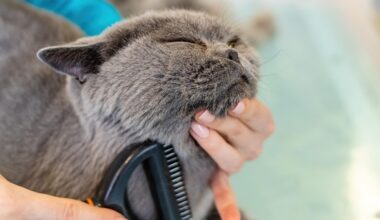

How to Use Muzzles and Restraints to Administer Medication Safely
When it comes to administering medication to cats, ensuring their safety and comfort is paramount. Using muzzles and restraints can be an effective solution when treating a fearful or aggressive cat. Muzzles, when used appropriately, can prevent bites while keeping the cat calm. However, it’s essential to select the right type of muzzle. Consider a soft muzzle for short procedures where minimal restraint is needed, as it provides comfort along with security. Additionally, keep in mind that some muzzles may make it difficult for cats to breathe. Always practice with the muzzle off to acclimate your cat to its presence. Restraints can include gentle holds or specialized pouches, allowing easier access for medication administration. When restraining a cat, whether with a muzzle or using your hands, make sure they feel secure. Techniques can include wrapping the cat in a towel to limit movement and prevent stress. Ensure that you have all medication ready and within easy reach. Prepare yourself mentally, and approach the situation calmly, which will help in keeping the cat calm and cooperative during the process.
Proper training techniques for using a muzzle are vital for safety. Before attempting to place a muzzle on your cat, it’s crucial to introduce it in a low-pressure situation. Allow the cat to explore the muzzle at their own pace. Reward them with treats to create a positive association. When the cat seems comfortable, gradually place the muzzle on for short intervals. Do so while providing treats, fostering relaxation. Monitoring your feline’s response will help determine when it’s time to secure the muzzle. Secure it loosely to avoid stress, and ensure the cat can still pant if necessary. Additionally, consider the correct muzzle type—basket muzzles can be beneficial as they allow for panting and drinking. Reinforcing good behavior through treats and praise throughout this process is essential for long-term success. It’s also beneficial to practice the procedures when the cat is calm and not under the stress of illness. Restraining a cat during a vet visit requires knowledge and practice. Always prioritize safety for both you and your cat when using muzzles and restraints, ensuring a stress-free experience.
Choosing the Right Restraint Method
There are multiple methods available for restraining cats when administering medication. Understanding which restraining technique is suitable for your specific circumstance is key. For instance, when the goal is merely to administer oral medication, gentle scruffing might be all that’s needed for a small duration. For more complex procedures like injections, using a combination of a muzzle and body restraint may be required. Options may include a cat pouch, which holds them securely while providing a separate space. Always practice these methods beforehand, so you feel confident and can handle any situation calmly. Cats are incredibly sensitive to stress, so preventing anxiety is essential. Remember to take breaks and allow your cat to relax if they become agitated. If necessary, consult a vet for guidance on the best approach for your specific situation. Sometimes, medications are available that can help sedate the cat if they are particularly anxious. These options should always be discussed with a veterinarian first. Understanding each method’s pros and cons will help you make informed decisions during the medication administration process.
Medication administration requires precision and care. Prior to any attempt, gather all necessary supplies, ensuring the environment is calm. Locate a well-lit area where your cat feels comfortable, such as their favorite resting spot. A calm atmosphere will enhance the experience for both of you. Always have someone assist if needed, especially with squirmy or anxious cats. One effective method is to have the helper gently hold the cat while you administer the medication. Always reassure your cat with a soothing voice, letting them know everything is okay. If giving a pill, having a pill popper can ease the process. Using treats to equate the process with something enjoyable helps create positive feelings around medication. Remember, if your techniques are unsuccessful, patiently take a step back. You might need to explore alternative methods or seek professional help from a veterinarian. Safety should be prioritized; never rush the process, as it may create trauma. Consistently using positive reinforcement during the medication process increases the chances of your cat cooperating in the future.
Post-Administration Care
After administering medication, it’s important to monitor your cat’s behavior closely. Observing how they react will give you insights into their comfort level and health. Allow the cat some time to adjust, and ensure they are in a familiar environment where they feel secure. Check for any adverse reactions, particularly if they’ve received a medication for the first time. Providing a safe hideaway like a cozy blanket or bed will help your cat de-stress. They should be allowed to retreat and rest. Offer treats or some soothing petting to reinforce comfort. If any sign of distress is noted after administration, consult your veterinarian immediately for guidance. Cats thrive on routine; returning to normal activities quickly after medication will help your cat feel at ease. Patience is critical during this time. Every cat is unique; reactions may vary significantly based on their personality and past experiences. If frustrations arise, it’s essential to remain calm and supportive, reestablishing trust for future medication routines. Remember, positive associations lead to smoother experiences overall.
Ultimately, using muzzles and restraints appropriately plays a crucial role in successfully administering medication to cats. Understanding how to utilize these tools provides both safety and efficiency during critical care. Practicing multiple techniques will allow you to explore the most effective method for each specific cat. As your bond strengthens through positive reinforcement with treats and gentle handling, your cat will likely become more accepting of these necessary procedures. Safety precautions must always be your top priority; aim to minimize anxiety. Remember, patience is key. Take your time when trying new methods, as each cat exhibits different behaviors during stressful times, allowing you to identify what works best. Communicating and consulting your veterinarian regarding any concerns will ensure you can provide the best possible care for your feline friend. Keep improving your skills through continuous learning and practice, ensuring you remain calm and focused in challenging situations. Every successful medication administration strengthens the trust between you and your pet, reinforcing your role as a responsible caregiver.
Conclusion
In conclusion, the effective use of muzzles and restraints is vital in ensuring the health and safety of your cat. Developing strategies for administering medication can seem daunting, but with practice, it becomes manageable. Remember the preparation steps outlined earlier, focusing on creating a positive environment for your cat. Always remain observant and flexible to the needs of your feline companion. Establishing trustworthiness during these moments will help foster a reliable routine for future administrations. Monitor your cat’s progress and adjust your methods as necessary, maintaining an open line of communication with your veterinarian is crucial. Their expertise provides additional insights tailored to your cat’s individual needs. Keep in mind that the goal is to make each experience as stress-free as possible, reinforcing a loving bond between you and your pet. With time, your cat can learn to accept medications more willingly, making each session smoother. Be patient, and remain encouraging through every step. Recognizing each small victory will benefit both you and your cat significantly in the long run.
In the world of cat care, understanding how to use muzzles and restraints offers invaluable skills for every cat owner. By following the strategies and guidelines discussed here, you will be equipped to handle even the most challenging situations. Moreover, these practices illustrate the importance of respecting your cat’s comfort while achieving vital care objectives. Investing time and effort in learning about safe restraint methods contributes to a more positive experience for your pet during stressful healthcare scenarios. Remember, your approach significantly influences how your cat perceives these experiences. The more positive you can make it, the better your cat will respond in the future. Creating an atmosphere of trust enables you to administer essential medicines effectively, enhancing your cat’s overall well-being. Always ensure to prioritize your cat’s health needs while making the process as pleasant as possible. Muzzles and restraints, when utilized correctly, can assist in reducing potential injury and promote a smoother administrative procedure. Embrace these techniques confidently and approach each situation with care, knowing you’re fostering a healthy and supportive relationship with your beloved feline.