
Recognizing Skin Issues When Grooming Multiple Cats
When managing a household with multiple cats, understanding skin issues during grooming is vital. Each cat is different and can show unique signs of skin problems. Grooming not only helps keep fur looking good but also allows you to monitor their skin closely. Regular checks can reveal issues like redness, flakiness, or unusual bumps that indicate underlying conditions. By observing habits and grooming behaviors, you gather important insights about their health. It might be worthwhile to establish a grooming routine to make it easier to identify issues early. Pay attention to your cats’ reactions while brushing; discomfort may suggest skin problems. Identify areas that seem more sensitive or unusual. Check for irritation, and maintain a calm environment to make grooming a positive experience for them. Consult a veterinarian if you notice significant changes in their skin condition. Proper grooming tools must match their fur length, and special skin treatments may be needed. Always be gentle, as cats can be sensitive. This attentive approach can lead to healthy cats and a happy home. Remember that prevention and early detection are the keys to keeping skin issues at bay.
In multi-cat households, observing and comparing each cat’s skin health is crucial. Different breeds have varying skin sensitivities and fur characteristics. For example, long-haired breeds might suffer from matting, causing skin irritation below the fur. While grooming, it’s essential to pay attention to each cat’s unique attributes. Regular inspections should be part of your routine to identify any changes swiftly. Keep an eye out for unusual scratching, biting, or dragging behaviors, as these can indicate irritation or discomfort. A cat’s diet may also impact skin health; ensure they receive a balanced diet full of essential nutrients. Omega fatty acids, for instance, can enhance skin conditions, making it healthy and vibrant. You can also use specialized shampoos during bath time that cater to skin types. Incorporating a few tools can make grooming manageable; a good brush, comb, or pet wipes can effectively help maintain hygiene. Frequent, thorough grooming helps eliminate debris, mitigating potential skin issues. Consider consulting a groomer for professional advice tailored to your household’s specific dynamics, keeping interactions as stress-free as possible.
Common Skin Issues in Cats
Several common skin problems may occur in cats living together. Allergies can manifest in irritation and discomfort. Pay attention to changes in grooming patterns; excessive grooming can lead to bald spots. Fleas or ticks can also trigger scratching and skin infections. Regularly check for signs of parasites, especially during grooming. Redness or inflammation often indicates an allergic reaction or infection. Some cats may also show signs of fungal infections, such as ringworm, which can spread among felines. In such cases, it’s essential to isolate affected cats and consult with a veterinarian promptly. Maintenance of cleanliness within your shared living environment is critical. Cat litter, bedding, and toys should be kept clean as allergens may thrive in dirty surfaces. Regular vacuuming and washing can help minimize allergens. Sometimes, pets can be sensitive to fragrances or harsh cleaning materials; opt for pet-safe products. Be proactive about skin issues, as early intervention can prevent more severe conditions. Identifying problems early on is key to ensuring your cats remain healthy and comfortable.
Stress can also contribute to skin problems in multi-cat households. Conflict among cats may result in behavioral issues, leading to excessive grooming. If you observe one cat being targeted by others, provide additional resources such as litter boxes, food stations, and cozy resting spots to minimize stress. Creating vertical space can also help, allowing cats to escape if they feel threatened. Implement engaging activities and interactive toys to keep them entertained. Stress relief can alleviate many symptoms associated with skin irritation and general discomfort. Veterinary consultation can provide additional resources such as sprays or pheromones that ease tensions among cats. Being attentive to each cat’s emotional well-being might mitigate grooming issues. To ensure your cats are thriving, consider behavioral assessments or modifications to their environment if aggressive behaviors arise. Never hesitate to reach out to experts for help in fostering a peaceful household. Assessing the emotional landscape can resolve behavioral concerns and lead to improved physical health over time. Remember that you want all your cats to feel safe and comfortable in their shared living environment.
Choosing the Right Grooming Tools
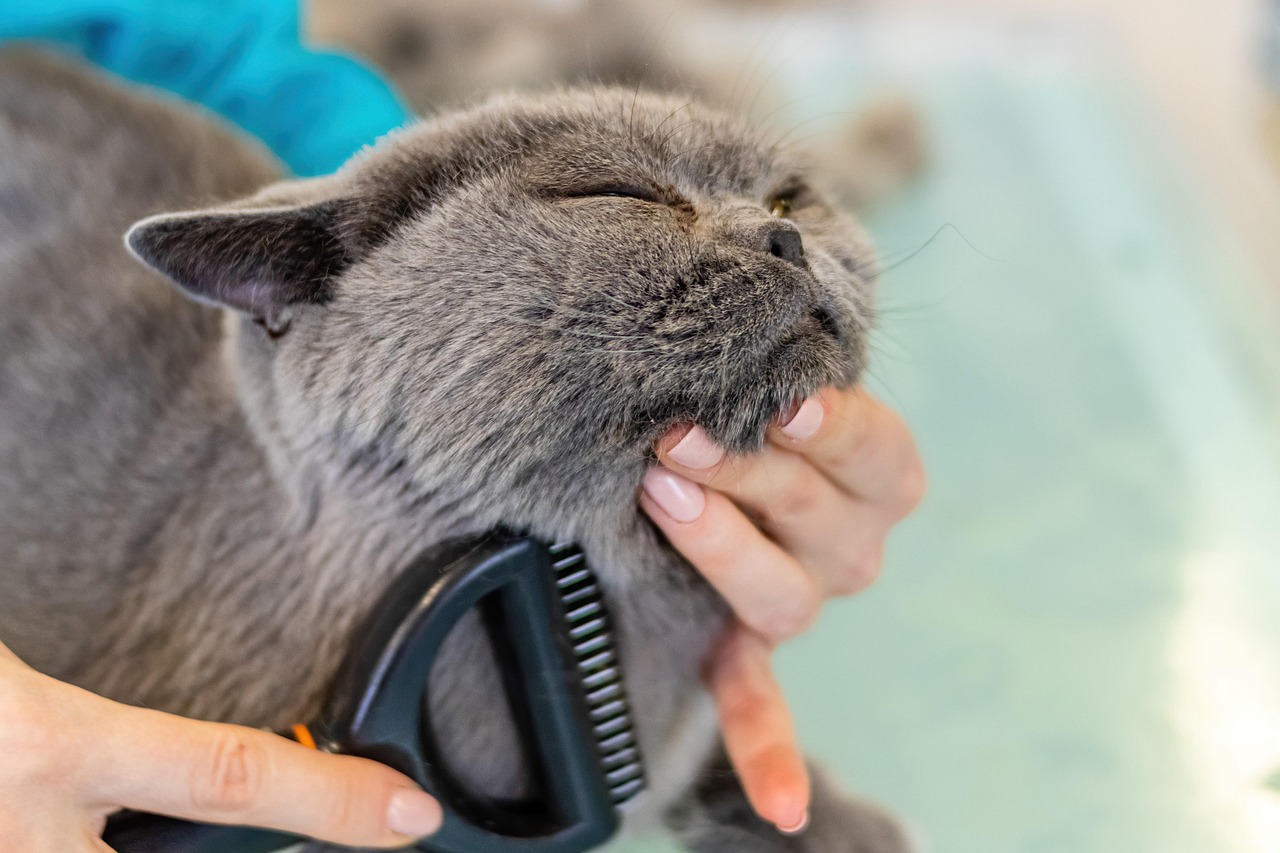
Selecting suitable grooming tools is essential in a multi-cat household to tackle various skin issues effectively. Different fur lengths and textures require different brushes and combs. Invest in high-quality grooming tools designed for your cats’ specific needs to facilitate effective grooming. Regular brushing sessions will help reduce shedding and promote a healthy coat. Short-haired cats typically require a rubber bristle brush, whereas long-haired cats benefit from wide-toothed combs or slicker brushes to detangle knots. Nail clippers should also be part of your grooming toolkit to prevent injuries from overgrown nails. Introduce grooming gradually, helping them associate it with a positive experience. Reward with treats or affection post-grooming. Maintain all tools regularly, ensuring hygiene to prevent infections. Familiarize yourself with their features and uses for maximum effectiveness. Some brushes come with dual functionalities for hair removal and skin stimulation. Always check your cats’ reactions to different tools, as some may prefer specific brushes over others. Understanding their preferences ensures seamless grooming sessions, which may ease any potential stress during the process.
Regular veterinary visits are essential in a multi-cat household to ensure skin health. Annual check-ups can help uncover underlying conditions not immediately visible during grooming. A veterinarian can provide tailored advice on grooming tips and suitable products based on each cat’s specific needs. Vaccinations could also protect them from diseases that may contribute to skin issues. Schedule veterinary appointments to maintain vaccinations and routine wellness checks regularly. Look for signs of discomfort in between visits. Changes in behavior, such as lethargy or loss of appetite, may reason to visit a veterinarian earlier than scheduled. Create a health log for each cat, documenting changes or observations noticed during grooming. This log can serve as a useful tool during veterinary visits for discussions about skin health or overall well-being. Remember that preventative care is fundamental in keeping cats healthy. Early detection of any skin issues, allergies, or infections can greatly improve the effectiveness of treatment plans, preventing further complications and ensuring a happier environment for all your beloved felines.
Conclusion
In conclusion, maintaining skin health in a multi-cat household requires diligence and attention to grooming practices. Regular examining and grooming sessions can lead to early detection of skin issues before they escalate. Provide each cat with personalized attention, noting their unique grooming needs and behaviors. Stress management is equally as essential, creating a harmonious environment that contributes to overall health. By observing your cats closely, adopting the right tools, and keeping a clean living environment, you can foster their well-being. Don’t hesitate to seek professional help whenever necessary, as timely interventions can change your cats’ quality of life significantly. The goal is to maintain a loving atmosphere, where each cat thrives physically and emotionally. Encourage positive grooming experiences through rewards and patience. A well-groomed cat reflects not only its appearance but also its health. Stay proactive, combining proper grooming techniques and preventive care to cultivate a safe, comfortable home for your felines. Ultimately, investing time and effort into grooming leads to happy and healthy cats, enhancing the joy of being a multi-cat household.
Skin issues are often overlooked, yet they significantly affect feline quality of life. Grooming presents an opportunity to bond with your cats while ensuring skin health is closely monitored. When tackling skin problems, remember that every cat is unique, often requiring different approaches. By sharing your living space with different cats, staying aware of their health will yield a comfortable and happy environment for all.