
Step-by-Step Guide: From Lying Down to Standing on Command
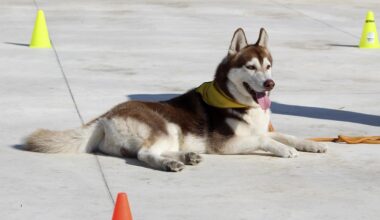
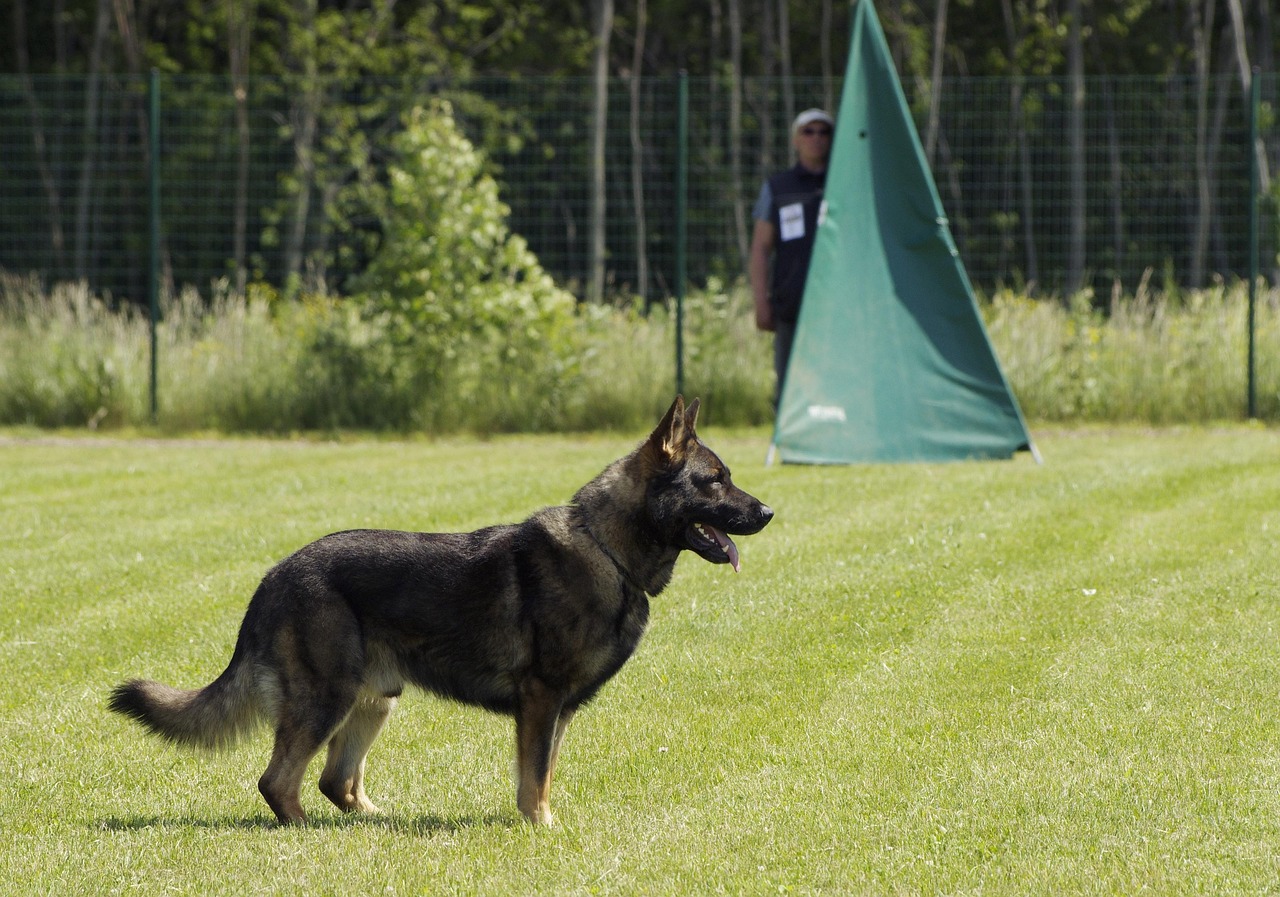
Teaching your dog to stand on command is an essential part of training that enhances communication. The process starts with the animal in a comfortable position, preferably lying down. Begin by getting your dog’s attention, using their name or a favorite toy to draw focus. You need to create a positive association with this command for it to be effective. Give the command “stand” while using an enticing treat as motivation. Once your dog begins to rise, encourage it with praise and gentle gestures to facilitate the movement. Avoid using force or pushing the animal, as this can create anxiety. Instead, it’s better to let the dog naturally progress into the standing position. Repeat the command consistently to establish a routine and help your pet learn it. Incorporating fun into the session can maintain their interest and enthusiasm. Using clicker training can also provide a clear signal when your dog successfully follows the command. Practicing in various environments helps reinforce the behavior, ensuring it is understood regardless of location. Remember, patience and consistency are critical during this process.
The next phase of this training involves ensuring your dog is comfortable maintaining the standing position. You can do this by rewarding your dog for staying in a stable stance. Use treats to reinforce the behavior when they remain standing for longer periods. Gradually increase the duration before offering a reward. Additionally, practice with various distractions around, reinforcing their focus and discipline. This practice can be done indoors and outdoors, allowing your dog to adapt to different environments and stimuli. It’s essential to remain calm and maintain a positive atmosphere. Using a happy tone encourages them to enjoy the learning experience. If they struggle, go back to shorter durations and gradually build up from there. Repetitive commands help establish the correct behavior, but the tone should always remain inviting. Remember, each dog learns at its pace. Observe signs of frustration or exhaustion, such as a loss of interest or yawning, and adjust your training sessions accordingly. At this stage, interaction remains vital. Praise after each successful attempt, so your dog feels accomplished.
Handling Challenges While Training
As with any training, challenges can arise when teaching the stand command. Distractions can disrupt your training sessions, especially with lots of activity around. If your dog is easily distracted, it may be best to choose a quieter environment initially. Reduce these factors to help them concentrate fully on your commands. Having a friend or family member around to help can mitigate distractions, allowing your dog to focus solely on you during the training sessions. Additionally, maintaining a consistent schedule can enhance their ability to learn efficiently. This strategy ensures your dog knows when to expect training, creating a routine that becomes part of their daily life. Utilize breaks to recharge both you and your pet during longer training sessions; this helps prevent boredom. Abandoning the training course is equally vital when the session is not progressing. If frustration occurs, take a break and return later with a fresh approach. Dogs can pick up on your emotions, so it’s critical to maintain a positive attitude throughout the process.
When your dog successfully understands the stand command, it becomes essential to incorporate it into everyday situations. Utilize this command in daily outings, such as waiting at the door or preparing to cross the street, giving real-life applications to what they have learned. This practice also reinforces the bond between you and your dog, elevating their trust in your commands. Include this command in various aspects of your life; for example, when playing fetch, have your dog stand before throwing the ball. During grooming sessions, requesting your dog to stand can also help acclimate them to shorter bursts of standing that make the process smoother. Consistently applying this training in diverse scenarios will help solidify their understanding. Every interaction builds on their learning and enhances the command’s reliability. Incorporating fun and dynamic methods can further increase your dog’s engagement and responsiveness to the command. Remember, training is a partnership, and creating mutual respect will help your dog follow commands eagerly and efficiently.
Reinforcing Positive Behavior
As you continue working with your dog, praising them every time they respond correctly is essential. Verbal affirmations, petting, and treats serve as great rewards, reinforcing their positive behavior. Praise them enthusiastically when they stand on command, letting them know they did well. Over time, you can gradually decrease the treats and focus more on verbal praise, helping your dog learn that pleasing you is significant. Consistency in commands combined with positive reinforcement fosters a mental connection for your dog between the command and the action. Not all dogs will respond the same way to voice and treats, so observing your dog’s preferences is essential. Some may respond better to playful interactions, while others may enjoy a favorite toy as a reward. Tailor your positive reinforcement methods to work best for your dog. Pay attention to their reaction and adjust your approach as necessary. Exciting and rewarding experiences strengthen your dog’s desire to learn. Remember, your tone of voice and body language profoundly influence their performance; staying energetic and clear in command delivery is crucial.
Training is an ongoing journey, and mastering the stand command is just one part of it. With your dog understanding this command, exploring more advanced commands or tricks can maintain enthusiasm in your training sessions. Ensure you keep training enjoyable through play and consistent engagement. Offering variety can help keep both you and your pet invested in the training process. Focus on fun exercises that incorporate the command as you grow together in your training journey. You can teach them to move between commands or combine it with other tricks, like sitting or shaking hands as a follow-up challenge. Recognizing when to advance the difficulty level is important; ensuring your pet is ready for each new lesson will benefit their overall learning experience. Consider periodic evaluations of what they have learned, allowing you to adjust your training strategy as needed. The stand command can evolve into a foundation for even greater skills, opening pathways to agility training and service tasks. Ultimately, enjoying the process fosters a strong bond and trust between you and your furry friend.
Conclusion and Next Steps
In conclusion, teaching your dog the stand command is a rewarding journey. The key elements include patience, consistency, and positive reinforcement. By creating a structured yet enjoyable training environment, dogs can learn more effectively. Each dog has unique learning patterns; hence, flexibility is essential. Reward them for their progress, ensuring they feel accomplished. Keep sessions short and engaging to maintain their focus and enthusiasm. The ultimate goal is to establish a lasting understanding of their commands while enhancing your relationship. Implementing this command across various settings solidifies their understanding. As they master standing on command, consider further tricks or commands to maintain their engagement. Explore group classes for socialization and learning together with other dogs. These experiences promote social skills while reinforcing your training techniques. Always assess your and your dog’s readiness to learn more, ensuring you progress together and at their pace. Celebrating achievements, no matter how small, fosters a positive atmosphere throughout training. With time and effort, your dog will reliably respond to the stand command, ready for new challenges ahead.
Utilizing the skills developed through this command can lead to exciting adventures and enhanced collaboration between you and your pet. Emphasizing consistent practice can lead to mastery over this important skill. Progressing beyond the stand command can open up numerous possibilities for dog activities, like agility courses or obedience competitions. The bond formed during this training process creates respect and mutual understanding. Everyday activities will become smoother, ensuring easy management when required. Keeping the atmosphere light and fun will make every command eagerly followed. Dogs thrive in environments where they feel comfortable and loved. By treating training sessions as playtimes, your pet remains motivated to learn. Witnessing their growth is gratifying and fulfilling, creating lasting memories and experiences together. Always welcome new challenges with an open mind; your dog will enjoy learning as much as they appreciate their time with you. The relationship built on trust and communication opens up new horizons, allowing both of you to explore together. Make every interaction meaningful as you progress in the world of dog training.