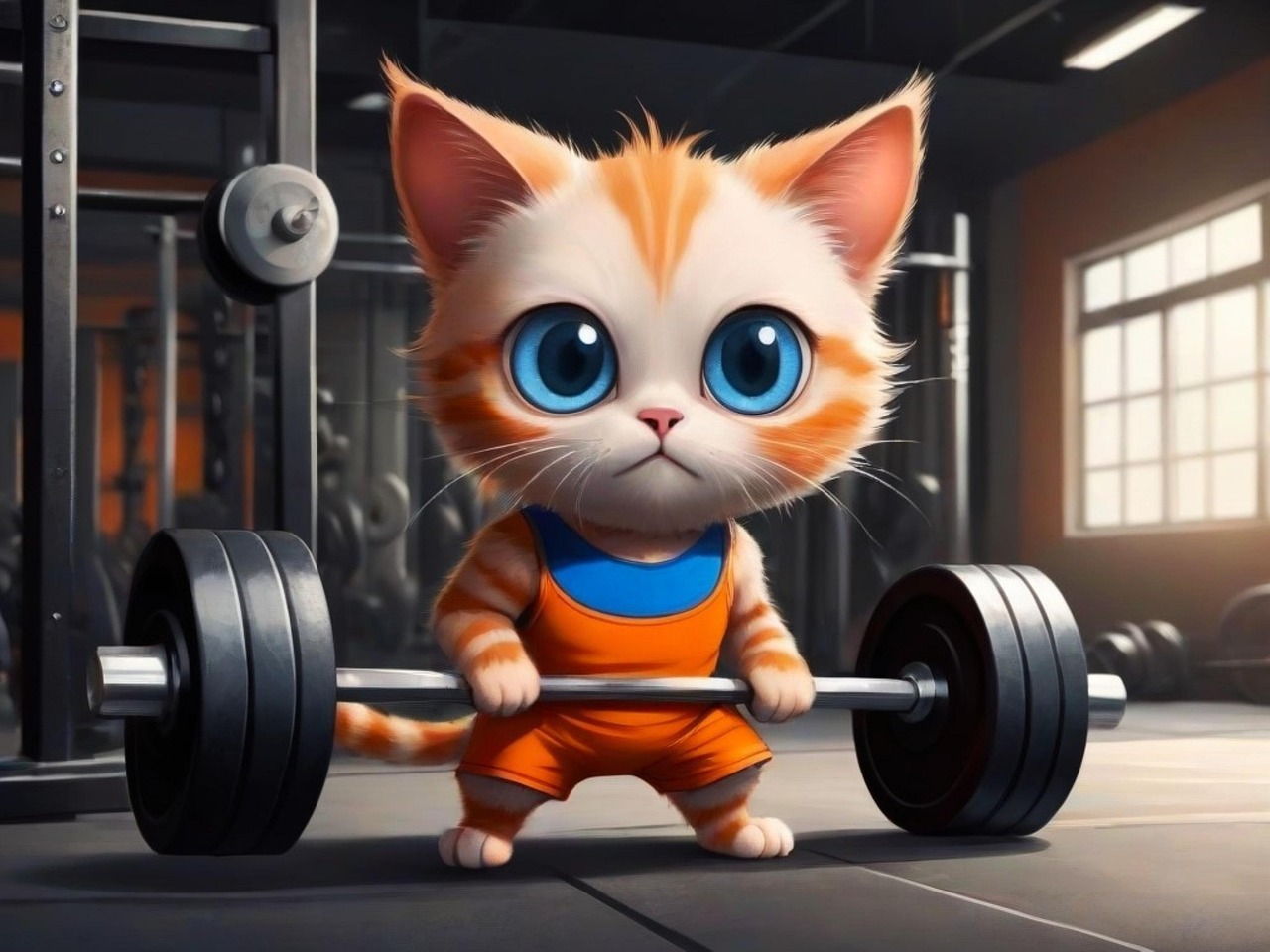

Weight Management Success Stories: Sport Cats in Action
Managing a cat’s weight is critical for overall health and performance, particularly for sport cats. Owners have seen success when implementing tailored feeding regimes. These programs often incorporate specific dietary requirements to optimize energy while ensuring cats maintain a healthy weight. A balanced diet rich in protein and low in carbohydrates is crucial. Success stories highlight cats that have transformed their lives through proper nutrition. Regular veterinary check-ups can play a significant role in monitoring the weight loss progress. Cat owners report that making small changes can lead to monumental results. Understanding your cat’s energy needs, alongside consistent portion control, can assist in sustained weight management. By tracking your cat’s weight weekly, you can make necessary adjustments to their diet. Providing stimulating activities is equally essential for weight control. A combination of play, proper nutrition, and social engagement keeps cats both fit and mentally stimulated. Many owners have celebrated their cats reaching ideal body conditions through these dedicated approaches. Sharing these remarkable transformation stories continues to inspire and motivate others in similar situations, proving that weight management for sport cats can be successfully achieved.
Each journey contributes valuable insights on how to maintain healthy weights in sport cats. Take for instance Bella, an active tabby who participated in agility competitions. Once overweight, her owner adjusted her feeding routine to include high-quality, protein-rich food. This change, combined with regular exercise, helped Bella shed excess pounds, allowing her to excel in her sport. Another inspiring tale is of Max, a Maine Coon who underwent a significant weight transformation. His owners integrated play sessions throughout the day using various toys. This not only invigorated Max’s spirit but also contributed significantly to his journey in weight management. They noticed improvements in his agility and enthusiasm during competitions. Each successful case demonstrates that with perseverance and dedication, sport cats can thrive health-wise. Engaging sport cats with enriching activities is crucial. Owners are encouraged to experiment with various toys that promote physical activity. Many also find group playdates beneficial. Success stories frequently depict owners utilizing interactive toys to motivate their cats. Understanding what resonates with your cat can lead to long-lasting results and overall well-being.
Innovative Approaches to Weight Management
When seeking innovative ways to manage cat weight, considering modern technologies can be beneficial. Smart feeders that control portion sizes can assist owners in maintaining strict feeding schedules. These devices often come with apps that track feeding habits and weight changes, making management more efficient. Owners like Sarah have praised their effectiveness in discouraging overfeeding, especially when sport cats need careful diet regulation. Alongside technological innovations, incorporating regular playtime into a cat’s routine is essential. Creating an engaging environment keeps them active and mentally alert. Implementing exercise into daily routines not only helps with weight but also enhances bonding between pet and owner. Unfortunately, some owners report a lack of motivation in their cats, highlighting the need for varied activities. Consider introducing new games that challenge your cat physically. Frequent rotation of toys or creating obstacle courses can significantly increase interest. Success stories reveal that a dynamic approach to play leads to higher activity levels and, ultimately, better weight management. Beyond just diet and exercise, creating positive reinforcement through rewards for active engagement builds a happy and motivated sport cat.
Regular monitoring plays a key role in successful weight management strategies. Keeping a detailed log of your cat’s weight progress can help identify patterns and potential concerns. Owners like Tom have lauded the effectiveness of scheduled weigh-ins, suggesting that monthly check-ins at the vet foster accountability. In addition to tracking weight, documenting food intake also assists in identifying any changes needed in feeding regimens. A specialized feeding plan tailored to a cat’s unique needs can vastly improve their weight management journey. These personalized plans often require consultations from veterinarians experienced in feline nutrition. Special attention should be paid to life stages, as cats metabolize differently at young and older ages. Regular updates on your cat’s progress ensure that the plan remains effective. Owners frequently report that celebrating small milestones—like losing the first few pounds—helps encourage continued commitment. Creating visual charts to track achievements motivates both owner and pet alike. Hearing success stories from other cat owners often serves as inspiration to stay dedicated. This sense of community support ensures nobody feels alone in their weight management endeavors for sport cats.
The Role of Nutrition in Weight Management
A critical factor in successful weight management for sport cats is nutrition. Quality over quantity often prevails in these situations. High-quality commercial diets are available specifically designed for active felines. These formulations provide the right balance of essential nutrients without excess calories. Many owners have cited remarkable improvements in their cats’ performance when switching to specialized diets. Additionally, understanding the importance of hydration cannot be overstated. Keeping your cat hydrated can aid in weight management tremendously. Encouraging them to drink plenty of water or incorporating wet food can make a difference. Veterinary nutritionists often recommend precise compositions of macronutrients and micronutrients tailored to sporting cats. Moreover, timing of meals is important; feeding smaller portions throughout the day can promote better metabolism. Owners like Jake have successfully used scheduled feeding as part of their routine, leading to improved athletic performance. There are also homemade diets designed to meet nutritional standards for cats actively participating in sports. Such options can support weight management while allowing customization based on dietary preferences or restrictions. Insight from diet specialists often guides successful transitions to tailored meals.
Creating a supportive environment is essential in achieving weight management goals for sport cats. Finding an engaging, stimulating atmosphere leads to better overall health and fitness for pets. Owners report that crafting an enriched environment through vertical play areas enhances their cats’ natural climbing instincts. This simplicity often paves the way for both mental and physical stimulation, reducing stress levels effectively. Additionally, social engagement through shared activities strengthens bonds between pets and their families. Interactive play typically motivates cats to exercise more. Allowing sport cats opportunities to explore environmental features stimulates their natural behaviors. Owners can introduce elements such as scratching posts, or cat shelves to improve engagement. Incorporation of diverse environments often translates into fun and fitness. Alongside these elements, ensuring area safety prevents injury while encouraging sport-related activities. Fostering a positive relationship with cats can lead to more successful weight management journeys. Support from fellow cat owners advocating for healthier lifestyles further enhances motivation levels. Establishing community connections can provide shared inspiration and encouragement essential for success in these endeavors. Ultimately, a supportive framework leads to drastic improvements in the lives of sport cats.
Success Stories From the Field
Success stories resonate profoundly with those looking to manage their cats’ weight while also encouraging their sporty lifestyle. Take Luna, an adventurous Bengal, whose transformative journey inspired her owners. After struggling with excess weight, her diet transitioned towards raw, balanced meals. Her owners also created a more active lifestyle through obstacle courses in their home. The outcome not only improved her physique but also enhanced her agility performance, showcasing remarkable progress over six months. Another incredible tale comes from Oscar, a Scottish Fold who was successfully integrated into a weight-loss program focused on portion control and structured playtime. Blueberry treats proved irresistible as rewards after each session, contributing positively to his motivation. These narratives underline that outcomes can vary, emphasizing the importance of personalization in strategies. Success doesn’t merely stem from following a generic plan but tailoring approaches that resonate distinctly with each cat’s unique personality. By sharing these inspiring stories, owners find validation in their efforts, discovering encouragement to persist with established goals. Furthermore, these triumphs elevate public awareness regarding the importance of weight management practices for sport cats, fostering healthier habits in the feline community.
Within this community of sport cat owners, sharing personal anecdotes can lead to a wealth of information and motivation. Many individuals report participating in social media groups dedicated to cat sports and weight management, fostering collective growth. These platforms highlight common struggles and solutions, presenting an invaluable support network for individuals aiming to ensure that their pets thrive. They advocate for positive reinforcement techniques that help modify behaviors around exercise and diet, enhancing success rates. Facilitation of open dialogues further supports the spread of vital knowledge related to feline weight management. Furthermore, webinars hosted by veterinary professionals often provide members insight into emerging techniques and products conducive to healthy living for sport cats. Testimonials from those who have seen positive outcomes encourage continued engagement. Reading about other journeys fosters relatability, helping owners recognize that such challenges are common. The sense of camaraderie that forms can invigorate groups within the sport cat community, bolstering motivation. Effectively managing a cat’s weight, while ensuring they remain active in sports, ultimately generates rewarding experiences for all involved. Sharing these success stories continues making strides in enhancing feline health and performance.