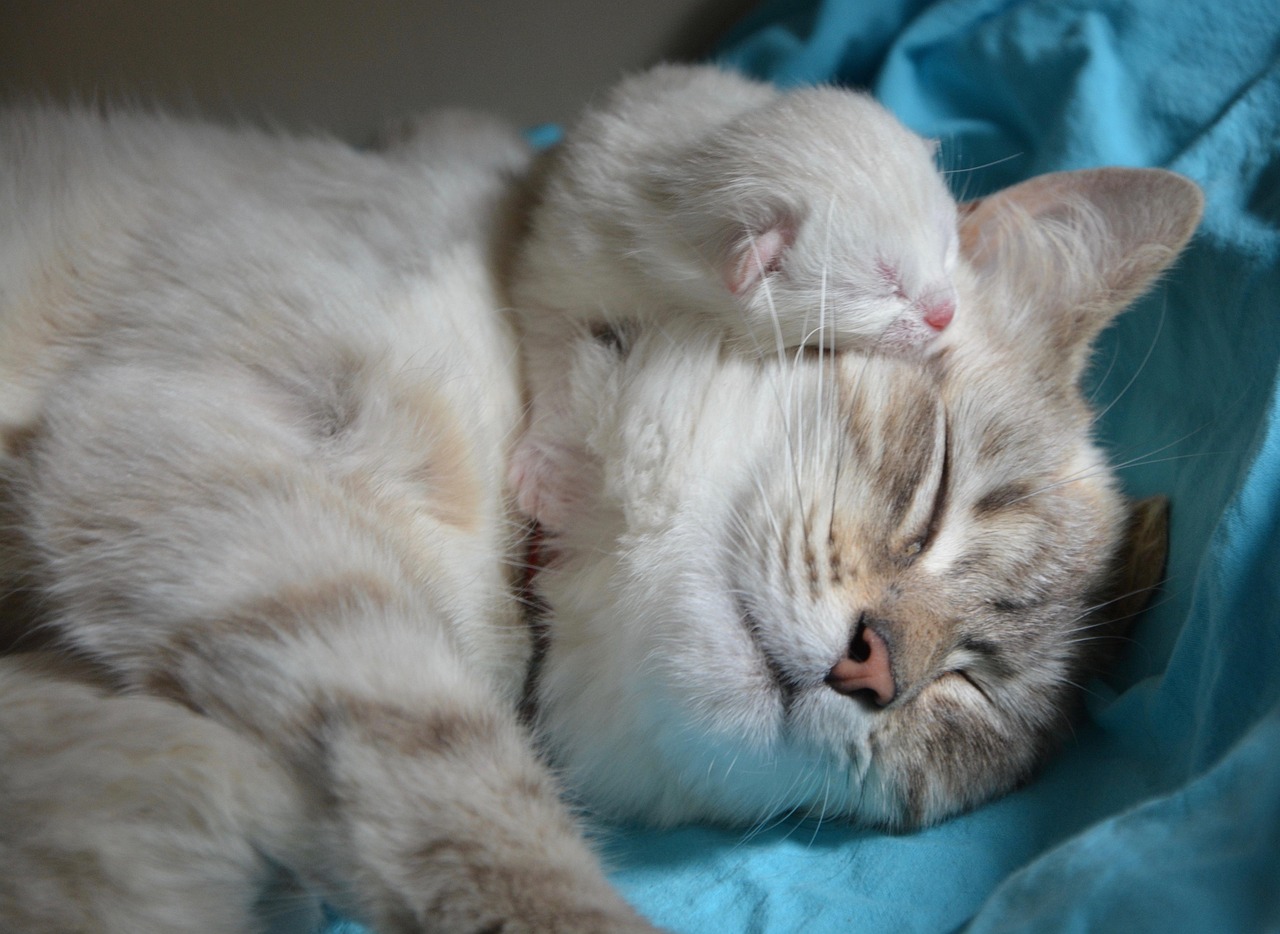

Guide to Training Breeders on Kitten Weaning Practices
The process of weaning kittens is a crucial phase in their early development, and breeders must understand how to navigate it effectively. Weaning typically begins around four weeks of age when kittens start showing interest in solid food. A gradual transition is essential to ensure kittens receive balanced nutrition while learning to eat independently. Breeders should introduce high-quality kitten food that is soft and easy to consume. This food helps form a basis for their diet and supports healthy growth. Monitoring the physical condition of the kittens during this period is critical as they may exhibit weight fluctuations. Furthermore, breeders must maintain proper hygiene throughout the weaning process. Cleanliness prevents infections and supports overall well-being. The weaning stage also serves as an ideal time for kittens to learn social behaviors, especially from their mothers and littermates. Encouraging interactions among kittens can foster proper socialization skills. Keep in mind that weaning varies between individuals, and it is important to remain observant and adjust the process to suit the needs of each kitten as required.
Establishing a structured approach to weaning is crucial for breeders. This entails developing a feeding schedule that mimics the mother’s natural weaning routine. Gradual separation from their mother should occur, starting with shorter periods, allowing kittens to adapt to a new environment. By six weeks of age, most kittens are ready to eat solids consistently, but be prepared to offer assistance with transitioning. Monitor kittens’ reactions to foods, adjusting as necessary to ensure proper nutrient intake. Providing moist food initially facilitates the transition, as kittens can chew and swallow with ease. A balanced diet is vital for their development, containing proteins, fats, and essential vitamins. Breeders should track individual progress and note the differences in weaning readiness among kittens. Amazing results come with patience and persistence, so keep a log of each kitten’s behavior and interactions. Providing a safe, stress-free environment during weaning encourages confidence while tasting new foods. Ultimately, successful kitten weaning builds a strong foundation for healthy growth, leading to better long-term health outcomes and behavior in adulthood.
Understanding the Feeding Phases
Weaning consists of distinct phases, and breeders should understand each stage to help kittens transition effectively. The first phase involves introducing a diet consisting primarily of high-quality wet food in small quantities. This is generally started at around four weeks as the kittens begin showing curiosity toward solid food. It’s advisable to choose products labeled for kittens, ensuring they receive the right nutrients essential for their growth. In the second phase, breeders can gradually decrease the amount of nursing while increasing the quantity of solid food offered. This transition may take a week or longer, depending on the kittens’ individual readiness. To facilitate the process, offer food with enticing scents and flavors. Breeders should also ensure fresh water is always available for kittens as they start solid food. Throughout this period, providing positive reinforcement if they attempt to eat solids encourages further exploration. Close monitoring of weight and overall health is crucial through these phases. Any signs of distress or digestive issues should be addressed immediately to ensure a smooth weaning experience for each kitten.
In the final weaning phase, kittens should be consuming dry food confidently. By the age of eight weeks, they should typically be fully weaned. During this phase, reducing access to their mother’s milk entirely becomes essential. Breeders can prevent any frustrations by ensuring that food is palatable and easily accessible. Besides nutritional needs, understanding behavioral nuances is essential. Kittens learn from each other and may mimic behaviors, leading to a more interactive group. Thus, providing adequate space and time for play is vital for developing social skills. If a kitten struggles with this process, patience is vital. Breeders should avoid rushing them, as stress can negatively impact their development. It’s essential to establish routines around feeding times and maintain consistency in their environment. Involving potential adopters in the weaning process lays a foundation for transitioning later on. Providing advice on kitten feeding strategies reinforces the importance of continuing the healthy habits started during weaning. Regularly consulting with veterinarians during this phase also supports proper development and prevents health concerns.
Post-Weaning Care Considerations
After weaning, proper care and continued training are crucial for the well-being of kittens. Breeders should establish new feeding routines that align with the kittens’ growing needs. It becomes vital to observe them closely during this period to ensure they adapt successfully to their new diets and behaviors. Frequent changes in feeding schedules can lead to confusion, so keep it consistent. Incorporating high-quality dry food is encouraged, as it helps maintain oral health as the kittens age. Breeders should also consider administering appropriate vaccinations and check-ups during this time to ensure health standards remain high. Socialization continues to be important post-weaning, so breeders should regularly introduce the kittens to different environments and experiences. Gradual exposure to various sounds, sights, and textures helps prepare them for life beyond the breeding facility. Providing basic training on litter box usage, and encouraging playtime enhances their adaptability as they mature. Positive reinforcement during training fosters trust and strengthens the bond between breeder and kitten, which is essential for developing well-adjusted pets.
As a breeder, documentation remains vital throughout the weaning and post-weaning period. Record keeping assists in tracking each kitten’s growth patterns, dietary needs, and social interactions. This data becomes invaluable when assessing long-term health and behavior in their future homes. Additionally, maintaining open lines of communication with adopting families reinforces trust and provides additional insights for potential challenges they may face. Breeders can offer resources, such as feeding guidelines or behavioral insights, ensuring new owners comply with healthy dietary practices. Ongoing support will encourage responsible pet ownership, transferring knowledge gained during the breeding process to future caretakers. Encourage new owners to provide social environments that allow kittens to continue developing essential skills. Ensuring they understand the importance of gradual acclimatization to various stimuli will help. By preparing owners with thorough information about fostering a nurturing environment, breeders contribute significantly to the kitten’s overall success in their new homes. The weaning process, when executed correctly, sets the stage for a strong bond between pet and owner and a fulfilling life ahead.
Conclusion and Final Thoughts
In closing, effective training around kitten weaning practices is an essential skill for breeders. By carefully monitoring each kitten’s developmental phases, adopting systematic feeding routines, and promoting healthy environments, breeders can ensure a successful transition into adulthood. Each aspect of the weaning process plays a significant role in shaping the kittens’ future. As professionals, breeders must remain patient and open to adjusting their strategies to suit individual needs. The emotional support provided during this vulnerable time encourages kittens to thrive long after leaving their breeding home. The knowledge shared, combined with consistent, caring interactions, promotes not only balanced nutrition but also healthy behaviors that kittens carry into adulthood. By fostering these approaches, breeders not only benefit their kittens but also contribute positively to the pet community at large. The future happiness of the kittens lies in the effective training practices established during weaning. Ultimately, a strong foundation built through these experiences leads to a lifetime of joy for both the kittens and their new families.
The skills developed through learning these techniques will resonate throughout the kittens’ lives. Ensuring breeders feel confident and capable in all aspects of kitten care enhances the experience for pets and their future families alike. Breeders can create an environment full of love, trust, and preparation that nurtures future pet bonds with their new owners. Sustaining these skill sets enhances kittens’ health and ensures that each individual becomes a cherished companion contributing to the joy of pet ownership.