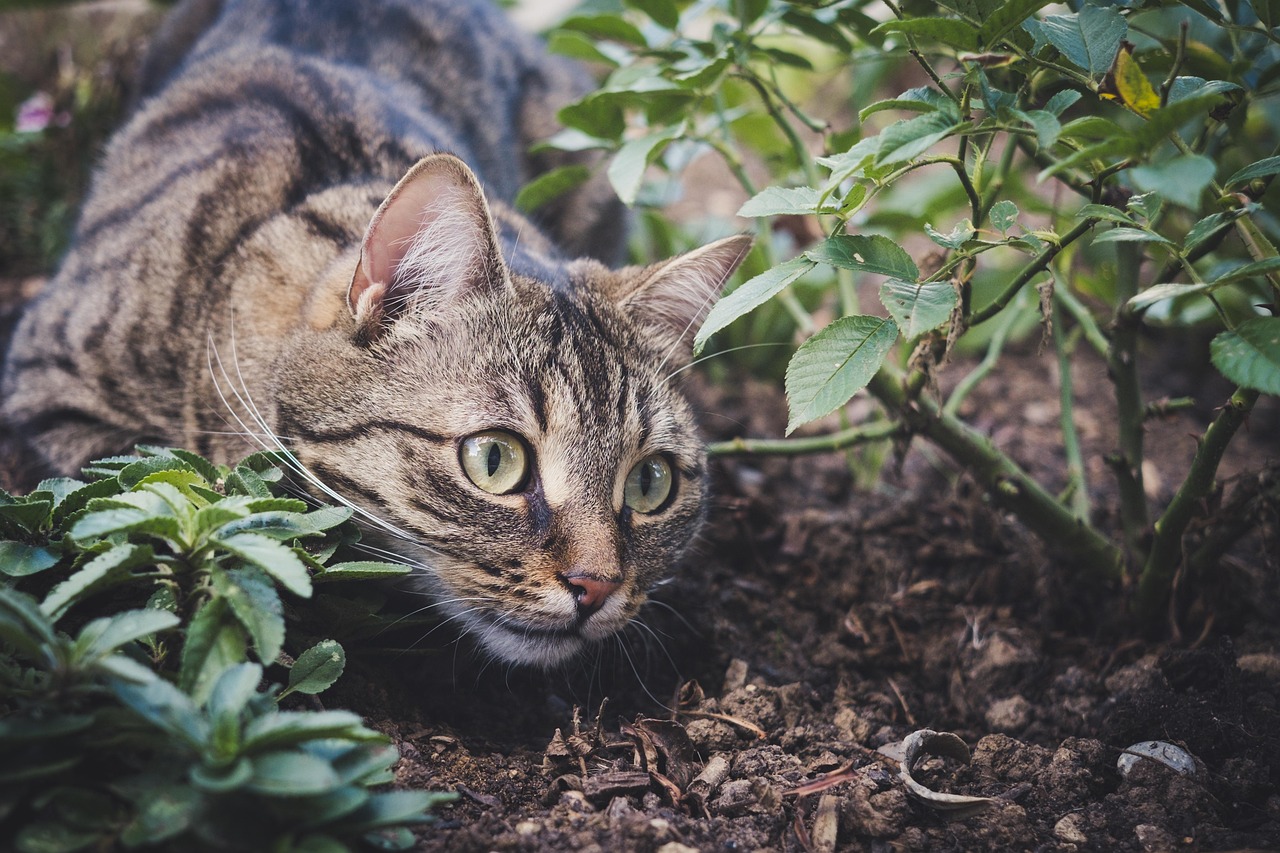

How to Monitor Your Cat’s Outdoor Socialization Progress
Socialization is essential for cats, especially when acclimatizing them to outdoor environments. Start by creating a controlled outdoor space where your cat can feel safe and protected. You might consider using a leash or an outdoor cat enclosure to facilitate initial outings. Monitor your cat’s reactions closely, taking notes about their body language and behavior. Look for signs of anxiety or curiosity. In the early stages, keep outdoor experiences brief to prevent overwhelming your cat. Each outing is an opportunity to assess their comfort levels with rustling leaves, other animals, and unfamiliar sounds. Gradually increase their outdoor time as they become more adapted. Daily observation will help you identify their preferences, such as favorite spots to sunbathe or areas they avoid. Keeping a journal of these experiences, including dates and observations, will offer valuable insights for future outings. Ensuring your cat’s safety and comfort during these explorations is key to successful socialization. This monitoring process allows you to celebrate milestones and address any obstacles proactively.
Key Signs of Successful Socialization
As you monitor your cat’s socialization with the outdoors, it’s vital to identify early signs of their progress. A relaxed posture is one of the first indicators that your cat is becoming comfortable with their surroundings. Notice whether your cat approaches new stimuli with a curious attitude rather than fear. If they show interest in exploring bushes or trees rather than retreating, this indicates growing confidence. Positive interactions with other animals can heavily influence their social growth. However, monitor these encounters to avoid potential conflicts. Gradually exposing your cat to diverse situations, such as meeting other pets or encountering passersby, fosters adaptability. Additionally, pay attention to vocalizations; purring can signify enjoyment, while growling or hissing may suggest discomfort. Keeping notes on these reactions will enable you to tailor their experiences appropriately so that each outing contributes to their growth. If your cat displays consistent options to engage in outdoor play while maintaining a calm demeanor, you are on the right track toward successful socialization. Encourage positive behaviors with treats and praise to reinforce outdoor exploration.
Another essential aspect of monitoring progress is understanding your cat’s limits. Some cats may be more adventurous than others, and it’s important to adapt based on their comfort. Observe how long they stay outside before showing signs of wanting to return indoors. A well-paced introduction will often yield better results than rushing the process. Watch for subtle cues like tail twitching or sitting down, indicating they might be overwhelmed. After every outdoor experience, allow your cat to rest and process everything they have encountered. Ensuring their comfort post-activity helps reinforce positive associations with outdoor fun. Consider creating a cozy indoor space that recalls their recent adventures, using treats or toys associated with outdoor play. This method can help bridge the indoor and outdoor experience, promoting a positive attitude overall. Remember to create a structured routine that includes outdoor socializations at similar times each week. This consistency can enhance their adaptability and sense of security while outdoors. By striking a balance between exploratory play and rest, you can facilitate a wholly enriching outdoor socialization experience for your cat.
Utilizing Technology for Monitoring
In the digital age, technology can be a powerful ally in monitoring outdoor socialization. Consider equipping your cat with a GPS collar to keep track of their outdoor activities and movements. This technology not only enhances safety but also provides insights into their exploration patterns. Many GPS devices connect to smartphones, offering real-time location tracking and reporting essentials, such as how long they spent outdoors. Additionally, consider the use of pet cameras to observe their behaviors in your absence. These cameras can reveal habits and preferences that may not be visible during supervised sessions. You can analyze how your cat interacts with the outdoor environment over time and identify areas for improvement. Apps designed for pet owners can help in recording activity levels and clicking photos of memorable moments to document their journey in a visual format. By combining these tools with conventional observations, you can create a comprehensive view of your cat’s socialization progress. With innovative solutions, monitoring becomes easier, while also ensuring your cat’s safety and well-being.
It’s also beneficial to establish a timeline for socializing your cat outdoors. Setting realistic goals enhances the effectiveness of monitoring progress. For example, target specific milestones such as safely experiencing short durations outside before gradually extending them. Begin by introducing your cat to a short, cozy balcony or patio area, then expand their horizons gradually to fuller gardens or parks. Document each change in environment, noting their reactions and comfort levels. This timeline will provide a framework for evaluating success and adapting future outings to ensure continued growth. Celebrate small successes to encourage further participation. You can use the monitoring journal to not only record events but also run through any challenges faced. If certain situations seem to provoke anxiety, pivot strategies to address these specific fears. Perhaps using positive reinforcement, such as favorite treats or toys, can alleviate worries during subsequent outings. By maintaining a flexible plan and remaining receptive to your cat’s needs, you can enhance both their outdoor experiences and your monitoring process.
Creating a Safe Outdoor Environment
The safety of your cat in outdoor settings is a foremost concern when monitoring their socialization. Before allowing your feline to explore, ensure that gardens or parks are free from dangers such as toxic plants or harmful chemicals. Assess the area for escaping routes that might pose risks, keeping gates and fences secure. Designate specific zones in your yard or nearby park where your cat can safely roam and enjoy. Supervise initial outings closely, especially if there are nearby loud noises or unfamiliar pets. An environment that encourages exploration without distractions will foster confidence and natural exploration behaviors. Consider using outdoor barriers if necessary to prevent them from straying too far. If you live in areas with wildlife like birds or squirrels, be vigilant as this could distract your cat or instill fear. As your cat grows more comfortable, slowly increase their exposure to varied settings such as shaded spots or grass areas. Over time, your cat will acclimatize to their outdoor environment while respecting safety guidelines. Each progressive outing will enhance their overall adaptation and confidence.
Finally, ongoing assessment is paramount for creating a thriving outdoor socialization experience. Consistently evaluate your cat’s reactions and track their development over time. Make notes on positive engagement, such as interactions with different environments and stimuli. You may also find it helpful to seek feedback from family members or friends who join you in outdoor excursions. They can offer insights on how your cat behaves during these outings. Remember to adjust your approach when necessary; if an outing doesn’t go as planned, that’s perfectly okay. Adopt a flexible mindset and be responsive to their needs. Understanding that every cat is unique will help tailor the socialization journey to their individual personality. Consider consulting a vet or an animal behaviorist if significant issues arise, as they can offer professional strategies for improvement. Ultimately, the goal is to ensure that your cat enjoys their outdoor experiences without anxiety or stress. By following these monitoring methods and guidelines, you will undoubtedly create a safer, more fulfilling space for your cat’s exploration and socialization progress.