
Interview with a Certified Cat Groomer: Insights and Tips
Grooming is essential for the well-being of our feline companions. In this interview, we dive into the world of certified cat grooming, exploring essential skills and tips that make a groomer stand out. Certified groomers undergo rigorous training to ensure they understand feline behavior, coat types, and proper grooming techniques. Many cat owners may be unaware of how grooming helps prevent matting, reduce shedding, and maintain a healthy skin and coat. Groomers are knowledgeable about different products and tools, enabling them to work effectively with various breeds. They also recognize signs of skin conditions or health issues while grooming. A session with a skilled groomer can be a delightful experience for a cat, reducing stress and anxiety associated with handling. Training programs typically cover essentials, including bathing, brushing, nail trimming, and ear cleaning. This expertise allows groomers to adapt each grooming session to the individual cat’s needs, creating a personalized grooming plan. This personalized approach benefits the cat, leading to a happier and healthier pet. Ultimately, professional grooming is an investment in your cat’s health and happiness, ensuring they look and feel their best.
To truly appreciate the craft of cat grooming, it’s important to understand some of the common myths surrounding the profession. One such myth is that all cats can tolerate grooming equally well. Each cat has a unique temperament, and some may be more anxious or sensitive than others. Groomers learn to assess each cat’s behavior and adjust their methods accordingly. Another misconception is that grooming is unnecessary for short-haired cats since they shed less. In reality, regular grooming still plays an important role in maintaining coat health and reducing hairballs for all cats. Furthermore, many people believe that a quick grooming session is enough to maintain their cat’s overall hygiene. However, regular grooming sessions often require weekly or bi-weekly appointments to keep a cat’s coat in optimal condition. Professional groomers also help educate cat owners on best practices at home. Groomers can recommend specific brushing techniques and products that suit the cat’s breed. Additionally, they can guide on recognizing when to consult a veterinarian for grooming-related health concerns. Busting these myths helps cat owners appreciate the value of specialized grooming, which goes beyond simple aesthetics.
Understanding Grooming Techniques
Grooming involves not just aesthetics but practical care that enhances the cat’s health. Certified groomers employ various techniques best suited to each specific breed. For example, Persian cats with long hair require routine grooming to avoid matting and tangling. Bathing those breeds is also crucial to maintaining coat luster. In contrast, short-haired breeds may only need brushing every few weeks to eliminate loose fur and distribute oils. A critical grooming tool used by many professionals is the deshedding tool. These tools are designed to remove undercoat without damaging the outer coat. Another important technique involves nail trimming, which helps prevent painful overgrowth and potential injuries. Furthermore, ear cleaning is another essential aspect that many owners overlook. Groomers use safe, vet-approved solutions to clean ears and check for infections. In addition to basic grooming, a skillful groomer also understands how to calm anxious pets. Techniques such as gentle handling, using treats, or allowing breaks can make the experience more enjoyable for both groomer and cat. An understanding of these varied techniques enables groomers to enhance each grooming appointment significantly for the well-being of every feline client.
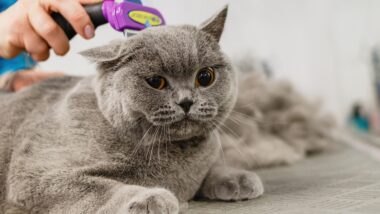
Tools of the trade play an integral role in effective grooming practices. Certified groomers invest in high-quality tools that ensure efficiency and safety. For instance, grooming brushes come in various types, including slicker brushes, bristle brushes, and combs. Each serves a different purpose, tailored to specific coat types. A slicker brush is excellent for detangling a long-haired cat’s fur, while a simple bristle brush may suffice for short-haired breeds. Other essential tools include nail clippers, grooming scissors, and detangling sprays. Groomers also often utilize a handheld dryer to minimize drying time after a bath. Groomers typically choose low-noise dryers to ensure the comfort of the pet. In addition to grooming tools, many professionals also recommend specific shampoos and conditioners that help moisturize and protect cats’ skin. It’s vital to choose products appropriate for the cat’s skin type to avoid irritation. Furthermore, understanding feline anatomy is crucial when using these tools to prevent injuries. A well-trained groomer knows how to maneuver around sensitive areas delicately while grooming. Investing in the right tools and knowledge ensures a successful grooming session, benefiting the cat’s overall appearance and health long-term.
Health Benefits of Grooming
The health benefits of regular grooming for cats are numerous and often underestimated. One primary advantage is promoting healthy skin by improving blood circulation and distributing natural oils throughout the coat. This process helps keep the skin moisturized. Additionally, regular grooming addresses potential issues such as matting and excessive shedding, which can lead to skin infections and discomfort. Groomers also keep an eye out for foreign materials, such as fleas or ticks, which can inadvertently stay hidden. Furthermore, regular grooming can help identify lumps, bumps, or skin irritations early on, prompting timely veterinary care. Another essential benefit is promoting a bond between the pet and their owner. Regular grooming sessions can enhance the relationship, making it a fun and enjoyable experience for both. When cats associate grooming with positive reinforcement, it can significantly lower stress levels during each grooming session. Mental stimulation during grooming also deserves attention, as cats enjoy new scents and tactile sensations that come from brushing. This experience can also be an opportunity to teach and reinforce positive behavior among cat owners. Such benefits confirm that grooming is much more than a cosmetic endeavor; it’s an essential aspect of a cat’s health and happiness.
To maximize the overall grooming experience, the environment in which grooming occurs matters significantly. A calm and controlled setting can make a tremendous difference for both the groomer and the cat. Setting up a designated grooming area reduces distractions and promotes focus. Soft lighting and quiet spaces can soothe anxious pets, helping them adjust better to the process. Using soft towels and non-slip surfaces also enhances comfort. Certified groomers often incorporate aromatherapy into their grooming spaces to create a relaxing atmosphere. Gentle scents can help both the pet and groomer feel more at ease. Moreover, properly planning beforehand sets the stage for a successful grooming session. Groomers should gather all necessary tools and materials before starting to minimize interruptions. Incorporating breaks during the appointment can also alleviate stress for both parties. Owners may want to consider participating by bringing their cat prepared with the proper grooming essentials in hand. This teamwork reinforces trust between the groomer, the cat, and the owner. Ultimately, creating a positive grooming experience leads to better results and encourages a fulfilling, long-term relationship between the groomer and the feline client.
Final Thoughts on Cat Grooming
In conclusion, professional grooming services significantly benefit both cats and their owners. Certified groomers possess the necessary skills to maintain a cat’s coat health while ensuring the process remains enjoyable. The insights shared through this interview spotlight the vital role that grooming plays in enhancing a cat’s well-being. Additionally, by debunking myths and discussing effective techniques, owners can appreciate the value that grooming brings to their feline companions. With a deep understanding of grooming tools and grooming techniques, we can promote the best practices that ensure our cats receive the utmost care. The trip to a groomer should be regarded not merely as a luxury but as a commitment to proactive pet care. Not only do skilled groomers address physical health issues, but they also ensure that each grooming appointment is a positive experience for every cat. Investing in professional grooming ultimately results in a happy and healthy pet, contributing positively to the bond shared between owner and cat. As feline care evolves, prioritizing grooming as part of a cat’s overall health remains essential, necessitating shared awareness among cat owners.
Recognizing the importance of groomers and their expertise underlines the need for cat parents seeking quality care for their pets. Understanding the grooming process and how it contributes to overall cat wellness is crucial for responsible pet ownership. Pet grooming is not just about achieving a polished appearance; it is vital for physical and mental health. Seeking professional groomers with certification and experience ensures that pet owners can trust the quality of care their cats receive. Certified groomers offer valuable advice that can minimize the stress associated with regular grooming. They emphasize the importance of early socialization, so cats become more accustomed to the grooming process. By establishing this familiarity, cats are less likely to react negatively during grooming sessions. This understanding benefits both groomers and cat owners, allowing for a more relaxing environment. It also alleviates anxiety for the cat, resulting in a more harmonious relationship. Therefore, as cat owners, staying educated about grooming practices and embracing the role certified groomers play in ensuring our pet’s welfare is integral. Together, we can create a supportive community that prioritizes feline health and well-being through proper grooming practices.