
The Role of Hydration in Preventing Kidney Issues in Dogs
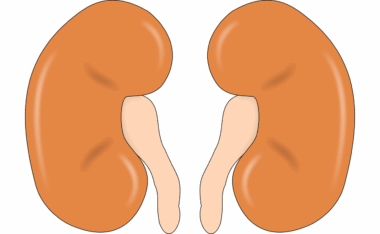
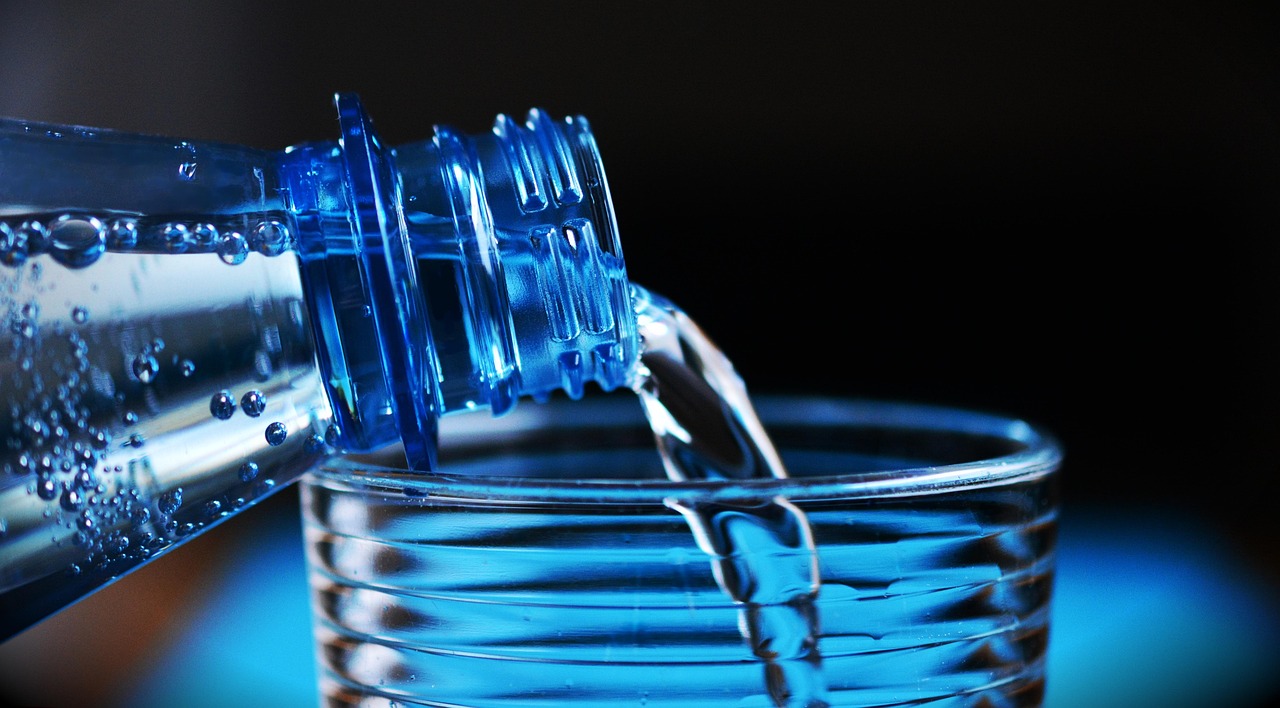
Hydration is essential for maintaining overall health, especially in dogs. Dogs suffering from kidney diseases can face serious complications if they do not receive adequate water intake. Kidneys play a crucial role in filtering waste and maintaining electrolyte balance. Proper hydration supports these functions and can help prevent further deterioration of kidney health. The ideal water intake varies depending on the dog’s size, age, activity level, and diet. The general recommendation is that dogs should drink approximately one ounce of water per pound of body weight each day. Monitoring your dog’s behavior and noticing if they seem to drink less than usual can be a vital sign that something is wrong. If your dog exhibits symptoms like excessive thirst or urination, it’s important to consult a veterinarian. They can provide guidance tailored to your dog’s specific needs and condition. Furthermore, incorporating moisture-rich food or using water fountains may encourage your dog to drink more. Ensuring that your dog stays adequately hydrated can improve their kidney function significantly, leading to a better quality of life.
Signs of Dehydration in Dogs
Recognizing the signs of dehydration in dogs is crucial for effective prevention of kidney issues. Dehydration can quickly lead to health complications, particularly in older dogs or those with pre-existing conditions. Some common signs include a dry mouth, lethargy, and loss of skin elasticity. To test skin elasticity, gently pinch the skin at the back of the neck or between the shoulder blades. If the skin does not return to its normal position quickly, your dog may be dehydrated. Additionally, a decrease in appetite or a change in gum color can indicate dehydration. Monitoring your dog’s hydration status is especially important during warmer weather or after exercise. Always ensure fresh, clean water is available; some dogs may prefer running water and drinking from bowls rather than still water. If you suspect your dog is dehydrated, encourage drinking by offering ice cubes or low-sodium broth. It’s vital to act quickly as severe dehydration can result in kidney failure and other serious health concerns. Regular veterinary check-ups can help detect the early signs of dehydration and kidney dysfunction as well.
An essential component in preventing kidney issues is ensuring that dogs consume a balanced diet. A diet rich in essential nutrients can significantly impact hydration levels and kidney function. Foods containing high moisture content, such as wet or raw food, contribute to a dog’s overall water intake. Additionally, carefully chosen dry kibble can also promote hydration if it contains the right ingredients. It is necessary to avoid feeding dogs salty snacks, as these can lead to increased water loss through urination. Also, incorporating fruits and vegetables like watermelon, cucumbers, or carrots can add hydration to their meals. Feeding smaller, more frequent meals can help with both hydration and digestion, allowing for a consistent intake of fluids. Consultation with a veterinarian can help in formulating an optimal diet plan tailored to your dog’s needs. They may recommend specific dietary supplements to promote kidney health. Keep in mind that sudden dietary changes can upset your dog’s digestive system. Therefore, introduce new foods gradually. Regularly assessing your dog’s diet can ensure they remain healthy and hydrated, thereby reducing the risk of developing kidney-related diseases.
Importance of Regular Veterinary Check-ups
Regular veterinary check-ups are paramount in ensuring your dog’s kidney health and overall well-being. Frequent visits to the vet allow for early detection of potential health issues, including kidney diseases. Veterinarians can perform routine blood tests and urinalysis to assess kidney function, detect dehydration, and measure toxin levels. Monitoring kidney health is especially critical for older dogs or breeds predisposed to kidney problems. A comprehensive approach to healthcare helps ensure that minor concerns do not evolve into major issues. Additionally, your veterinarian may offer personalized recommendations for hydration, diet, and lifestyle changes designed to enhance your dog’s quality of life. Dogs are often unable to express discomfort, so vigilance is necessary. As kidney problems can develop gradually, proactive care can significantly improve outcomes. Regular vaccinations, parasite control, and dental care also contribute to overall health and well-being. Engaging in open conversations with your veterinarian about your dog’s hydration habits can lead to valuable insights. Remember that your dog’s health is a partnership, and regular communication can pave the way for preventive measures that keep kidney issues at bay.
The role of hydration extends beyond merely drinking water; it includes considerations for how you provide that water. The following practical tips may help you improve your dog’s hydration: First, always provide fresh water. Changing it several times a day can entice your dog to drink more. Second, consider using non-slip bowls to prevent spills and promote drinking comfortably. Third, try incorporating ice cubes into the water or as treats to add excitement. Some dogs find ice a motivating factor to stay hydrated. Fourth, adding flavor to their water, like low-sodium broth or diluted fruit juices, can encourage drinking. Fifth, providing multiple water stations throughout your home or yard can promote hydration. By making hydrating more accessible, you’re facilitating a culture of hydration that your dog can embrace. Lastly, monitoring their water intake can help identify any changes, indicating potential health concerns early on. While these methods can help, always remain attentive to your dog’s needs and preferences. Every dog is unique, and finding strategies that best suit your pet will be beneficial for their kidney health and overall well-being.
How Environment Influences Hydration
Understanding how environment impacts hydration levels in dogs is critical to preventing kidney diseases. Hot weather intensifies the need for water; dogs can easily become dehydrated without sufficient access to fluids. During summer months or while engaging in outdoor activities, it’s essential to monitor your dog’s water intake closely. Always have portable water on hand during walks or outings. Common signs of dehydration, such as panting or dry gums, may become more pronounced in warm conditions. Conversely, cold or wintery environments can also affect hydration. Heated indoor spaces can lead to dry air, which might cause dogs to drink less water. In winter, your dog may also resist drinking cold water. Offering slightly warmed water may promote drinking during colder months. Regardless of the season, being proactive about your dog’s hydration is crucial. Consider adjusting their outdoor activities based on temperature to ensure they remain comfortable. Proper hydration, paired with understanding environmental influences, can prevent the onset of kidney issues and maintain a happy and healthy lifestyle for your dog.
In conclusion, hydration plays a pivotal role in preventing kidney issues in dogs. Dogs, like humans, need adequate water for their organs, particularly the kidneys, to function optimally. Factors such as diet, environment, and monitoring habits can all influence a dog’s hydration levels. Providing fresh water, incorporating moisture-rich foods, and recognizing signs of dehydration are vital steps to ensure kidney health. Regular veterinary check-ups can catch potential problems early and improve outcomes. It is also important to adapt water provision methods according to your dog’s preferences and needs. Keeping an eye on environmental factors will ensure your dog remains well-hydrated. Engaging with your dog’s overall health and hydration status can significantly enhance their quality of life. Investing time into these practices helps create a nurturing environment that supports their well-being. By promoting good hydration habits and maintaining regular veterinary care, you’re taking an essential step towards preserving your dog’s kidney health and preventing long-term diseases. Embracing these preventive measures ensures that your canine companion enjoys life to the fullest, contributing to years of happiness and companionship.