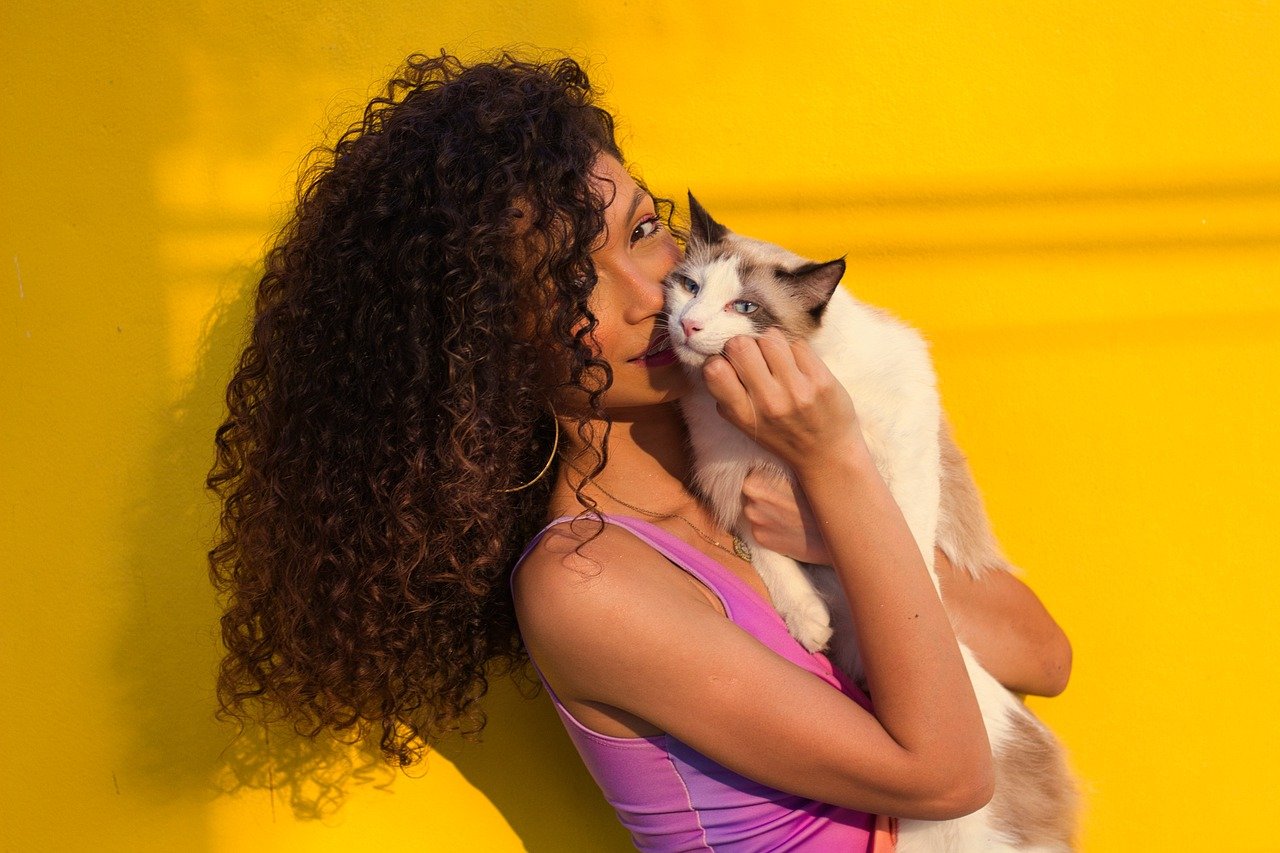

Why Older Cats May Become More Affectionate
As cats age, their emotional and behavioral states can undergo significant changes. One notable change is an increase in affection towards their human companions. This shift could be influenced by various factors related to the aging process. For starters, older cats often experience a gradual decrease in their physical vigor, which may make them less independent and more reliant on human interaction. Consequently, they may seek out companionship more frequently. Additionally, aging can bring about cognitive changes, leading to a modified perception of social relationships. Cats may become more attuned to the comfort and companionship provided by their humans. It’s also essential to recognize the environment. A stable home environment with consistent routines can foster a sense of security that encourages affectionate behavior. Attention and love from their owners can increase feelings of safety. Sometimes, aging cats are less active and more sedentary, seeking warmth and affection as they rest. Therefore, it’s vital for owners to nurture and support their aging felines, adapting to their new behavioral needs and fostering an environment where love and affection can flourish.
Understanding the Psychological Changes
As cats age, psychological changes occur that can contribute to their affectionate behavior. One factor to consider is increased anxiety that many older cats experience. They may become more sensitive to their surroundings, prompting them to seek comfort from their owners. Older cats might also remember their earlier experiences more vividly, leading them to crave the solace of human interaction. The sense of confusion or uncertainty might drive them closer for companionship. As they face potential health issues, like arthritis or dental problems, the comfort of cuddling can serve as a remedy, providing soothing relief. Additionally, older felines often have a refined understanding of their humans, contributing to a stronger bond. They’re better able to gauge human emotions, responding affectionately during times of stress for their owners. Furthermore, older cats tend to be less active and may not wish to engage in rough play. Instead, they often opt for gentle interactions, cuddling, or simply lying close to their loved ones, which increases overall affection levels in their relationships. Owners should encourage this behavior, enriching their cat’s experience as they age.
Cognitive functions in cats can decline with age, contributing to changes in behavior. Older cats may exhibit signs of cognitive dysfunction syndrome (CDS), which is akin to dementia in humans. This decline often results in increased dependence on their caregivers. As they struggle with familiar routines, they may look to human companions for guidance and reassurance. This reliance often translates into more affectionate behaviors, as they seek comfort and familiarity. Cats may also require more time spent in the presence of their owners to feel secure. Moreover, a cat’s understanding of socialization evolves with age. Unlike younger cats, who might engage primarily in play, older cats often focus on bonding experiences. They are less driven by instinctual behaviors that characterized their youth and are instead more invested in the emotional connection with their owner. This emotional shift allows them to be more present and engage in behaviors that express love and affection. Their growing need for companionship may also stem from the loss of other pets in the household, highlighting their deepening attachment to their humans and increasing their affectionate tendencies as they age.
Health and Affectionate Behavior
Physical health plays a substantial role in the affectionate behavior seen in older cats. As cats age, they may face various health problems, leading to lifestyle changes that influence their temperament. For instance, conditions like arthritis may hinder their mobility, prompting them to seek comfort in close physical contact with their owners. Moreover, chronic pain can alter a cat’s personality, often leading them to desire more attention and affection from their humans as a means of comfort. Regular veterinary check-ups are vital to ensure that aging cats remain healthy; health issues can often mimic changes in behavior. By alleviating pain and treating any underlying conditions, owners can improve their cats’ overall happiness and sociability. Also, a healthy pet is typically a more affectionate pet. Feeding them a balanced diet and providing mental stimulation can also enhance their mood. Building a routine for attention can foster an emotional bond that reassures the cat and enhances their social interactions. Providing soft surfaces and cozy spots at home can stimulate an affectionate response, as cats tend to seek warm places to rest, which often involves being close to their owners.
Social interactions with other pets play a role in how affectionate older cats become toward their humans. If an older cat has lost a close companion to age or illness, it can lead to noticeable behavioral changes. This loss may trigger increased attachment to their human, leaving the cat feeling a lack of comfort in familiarity. Research indicates that pets often respond to the emotional changes in their households. As their social dynamics change, they may rely on their human companions to fill the emotional void left by the loss of another pet. Introducing new furry friends can sometimes help ease this transition; however, a careful introduction is essential to avoid additional stress. It’s essential to observe and interpret changes in behavior, as they may indicate a need for extra affection. Owners must be attentive to their aging pets and support them emotionally. Even simple gestures, like petting or talking to them, can strengthen affection. Making changes in the environment that emphasize security and companionship aligns with their need for comfort and connection. Each interaction can reinforce the bond between older cats and their humans, nurturing their emotional wellbeing.
The Role of Environment
The environment significantly affects an older cat’s behavior. A calm and quiet living space promotes a sense of security, inviting an affectionate demeanor from aging cats. Unlike younger, more active cats, older felines often prefer a serene atmosphere free from high-stake interactions with other pets. This difference can prompt them to seek out closer relationships with their human companions for comfort. By minimizing stressors in the environment, such as loud noises or frequent visitors, an owner can create a sanctuary for their older cat. Additionally, providing accessible resting places that are warm and safe enables cats to feel comforted and more willing to express affection. Curating spaces that encourage interaction while respecting their tranquility fosters secure bonds. Simple activities like sitting near them or gently petting them can emphasize the buildup of this emotional connection. Owners should also ensure that their cats have access to necessities without exerting much energy, promoting independence while still encouraging closeness. Keeping interactive play gentle and brief can also help maintain bonds, allowing the cat to feel cherished and secure while preserving its comfort and dignity.
Another significant element to consider is the importance of routine in an aging cat’s life. Familiarity can be reassuring and help mitigate feelings of anxiety. Establishing consistent feeding schedules, playtime, and cuddle sessions fosters a sense of stability that aging cats deeply appreciate. Predictable interactions improve their comfort levels, making them feel safe and loved. Regular routines also assist owners in monitoring any behavioral shifts that could indicate health issues. By being attentive to their habits, owners can adjust routines and focus on what behaviors bring the most joy to their cats. As older cats typically need more downtime, finding a balance between activity and rest becomes crucial. Sometimes, providing additional affection is essential during transitions or moments of distress, allowing the owner to be the source of comfort. Overall, nurturing an affectionate bond between older cats and their humans relies heavily on maintaining comforting routines. With clear expectations and love, owners can help their older cats flourish emotionally and physically. Regularly spending quality time together enriches lives, creating a fulfilling environment where older cats feel loved and secure.
Conclusion
The evolving personality of aging cats can lead to greater affection, driven by various intertwined factors. As they navigate their twilight years, understanding their emotional, psychological, and physical needs becomes essential for their wellbeing. Owners should consider providing environments that foster comfort and promote nurturing behaviors. Encouraging routine and affectionate interactions enhances trust and strengthens the bond between owner and cat. Recognizing individual changes in behavior leads to improved communication and deeper connections. As cats require security in their relationships, offering stability and consistent love supports their emotional journey. Each moment spent nurturing this bond contributes significantly to the health and happiness of older felines across different stages of aging. The transition into more affectionate behavior signifies a deeper appreciation for companionship for both cats and their humans. Ultimately, the affection seen in older cats is a reciprocal relationship, fostering warmth and love that enriches the lives of both parties. Being attentive to their needs allows us to honor and cherish our aging companions, creating great atmospheres where affection thrives, leading to mutual trust that lasts throughout their gentle years.