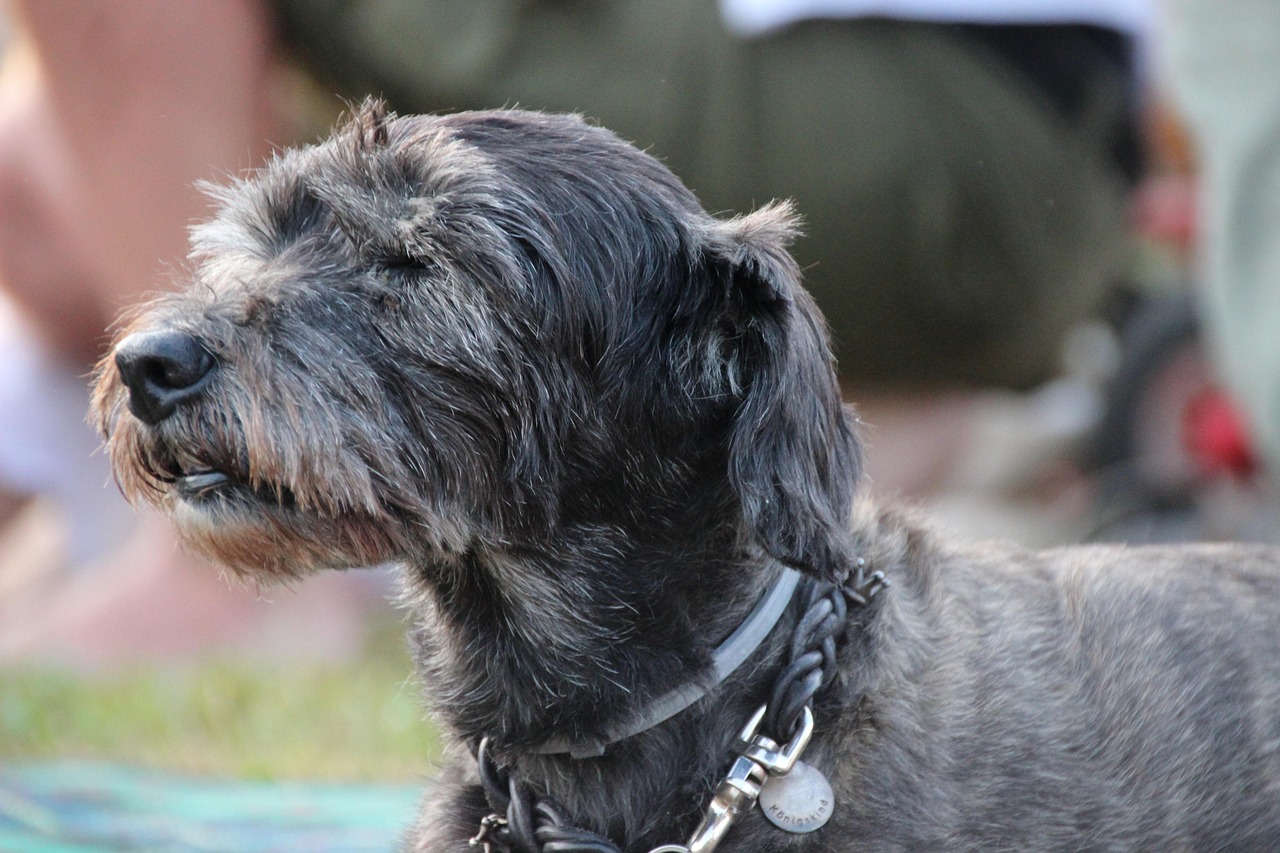

Adapting Training Techniques for Senior Dogs with Behavioral Changes
As dogs age, their behavior can change significantly, often due to health issues, cognitive decline, or general aging. Understanding these behavioral shifts is crucial for caregivers, as they impact how senior dogs interact with their environment and their owners. Early detection of these changes can aid in modifying training techniques. It is essential to remain observant and recognize signs such as increased anxiety, reduced energy, or even aggression. These indicators may suggest underlying medical problems, requiring veterinary attention for proper diagnosis and treatment. Caregivers must adapt their strategies to accommodate these shifts, ensuring that training remains effective and compassionate toward the dog’s unique needs. Specialty training programs might focus on fostering calmness or encouraging gentle socialization. Additionally, incorporating routine into training sessions can help provide the structure that senior dogs often require. Consistency in training, combined with understanding their limitations, can enhance the bond between dogs and their owners. As senior dogs navigate these adjustments, patience, love, and tailored training approaches can foster a nurturing environment conducive to their well-being. Hence, diligence in recognizing behavioral changes remains key to enhancing training effectiveness.
When adapting training techniques for senior dogs, it’s essential to employ positive reinforcement strategies. This method fosters a positive association with learning, making the process enjoyable for the dog. In contrast to younger counterparts, older dogs may need more time to grasp new concepts due to potential cognitive decline. Utilizing treats, praise, or their favorite toys can motivate them effectively. Gradually introducing new commands while reinforcing already learned behaviors is vital. Consistency is crucial; repetition aids memory retention in older dogs. Additionally, caregivers should consider their dog’s physical condition. Health issues such as arthritis may limit mobility and energy levels, necessitating shorter and gentler training sessions. Frequent pauses for rest during sessions can prevent overexertion and keep the dog engaged. It’s beneficial to engage in interactive and low-impact activities that stimulate mental engagement without overdoing physical exertion. Keeping training fun and varied can hold the dog’s interest, while patience can help during learning phases. As dog owners remain attentive to their senior dogs’ reactions, training can become a rewarding experience for both, enhancing communication and understanding within the bond they share.
Understanding the Importance of Routine
Establishing a routine is vital for senior dog care, as it provides a sense of stability and security. Dogs, especially older ones, thrive on familiarity, and having consistent schedules helps alleviate anxiety and stress. Regular feeding times, bathroom breaks, and training sessions create a predictable environment, making it easier for the dog to adapt. When introducing new training commands or techniques, linking these to established routines can facilitate quicker learning. The transitional phase becomes smoother when routines are followed. For example, integrating short training exercises before meals can raise the dog’s anticipation and engagement levels. Additionally, routines can help in monitoring behavioral changes, allowing owners to recognize irregularities quickly. Having set times for walks or enrichment activities also ensures that the dog receives adequate mental stimulation, promoting healthy aging. Moreover, as owners become more in tune with their senior dogs’ habits, it strengthens the bond they share. Observant caregivers can identify subtle shifts in behavior or physical ability, prompting timely veterinary consultations. Thus, by emphasizing the importance of routines, dog owners can greatly enhance the well-being and happiness of their senior companions.
Senior dogs may also experience changes in social behavior, leading them to become less social with other pets or unfamiliar humans. Recognizing and understanding these shifts is crucial for adapting training techniques effectively. During this time, caregivers should prioritize gradual exposure to new social situations. Instead of overwhelming the dog with too many new experiences at once, introducing them slowly can help mitigate anxiety. Short, positive interactions with calm, well-behaved pets can aid in fostering socialization without excessive stress. Caregivers should also consider the dog’s body language to gauge comfort levels. Is the dog exhibiting signs of fear or irritation? If so, it’s essential to step back and allow them time to adjust. Positive reinforcements play a significant role; rewarding the dog for calm behavior encourages further positive interactions. Special activities, such as gentle playdates or quiet time in a busy area, can also promote comfort and trust. Being patient is vital as senior dogs may require more time to adjust to social reintegration. By applying compassionate training approaches, owners can facilitate a seamless transition during this critical phase of their senior dog’s life.
Utilizing Mental Stimulation
Incorporating mental stimulation into daily routines is essential for the overall well-being of senior dogs experiencing behavioral changes. Engaging their minds helps combat cognitive decline and improves mood stability. Activities such as puzzle toys, sniffing games, and obedience training can keep them alert and engaged. These exercises can also strengthen bonds between the dog and its owner, making training sessions an enjoyable experience. Additionally, incorporating interactive toys provides both mental and physical engagement, keeping the senior dog active while respecting any mobility limitations. Slow-paced games that focus on scent and problem-solving can enhance cognitive functions. Remember, variety is crucial; switching between different types of activities can prevent boredom and maintain interest. Short training sessions are ideal for providing bursts of mental challenges without overwhelming the dog. Consistency remains essential, as regular practice increases retention of learned behaviors. Older dogs may require fine-tuning in terms of complexity; simple commands can yield great satisfaction for both the dog and owner. In doing so, caregivers can contribute significantly to their dog’s well-being, ensuring that their senior companions enjoy a fulfilling lifestyle despite any behavioral changes.
Another critical component of adapting training techniques for senior dogs involves recognizing signs of discomfort or pain. Many senior dogs experience aches and pains due to arthritis or other age-related ailments. Training techniques should be evaluated regularly to ensure they accommodate the dog’s physical and emotional needs. Utilizing low-impact training exercises, mixed with gentle modifications, can help keep the activities enjoyable. For instance, instead of traditional fetch, caregivers might consider more relaxed games like rolling a ball slowly. Success in training should be defined by the dog’s comfort level rather than completing tasks quickly. Additionally, providing breaks during training sessions allows for recuperation and prevents frustration. It’s vital to celebrate small achievements using praise or treats, reinforcing the dog’s confidence. Tailoring learning experiences not only supports their health but also strengthens the bond they share. Observing how well they respond to different techniques can inform future training sessions. Ultimately, caregivers who remain attuned to their senior dog’s physical condition inspire a nurturing environment for continued growth and adaptation.
Conclusion and Final Thoughts
Adapting training techniques for senior dogs with behavioral changes is a rewarding process that requires compassion, observation, and flexibility. Caregivers must recognize and embrace the fact that their senior dogs may need different approaches than before. The foundation of successful training relies heavily on understanding the individual dog’s needs, particularly as they relate to changes in behavior. By implementing structured routines, employing positive reinforcement, and prioritizing mental stimulation, caregivers can foster a harmonious environment conducive to both learning and comfort. It’s also essential to communicate attentively with the dog, respecting their signals of what works for them during training. Over time, patience and persistence will yield positive results, enhancing the bond between pets and their owners. Senior dogs deserve love and understanding as they navigate their golden years, and owners who adapt to their needs can significantly improve their quality of life. Every small adjustment in training techniques can create a lasting impact on the happiness and well-being of these beloved companions. The journey of supporting senior dogs through their changes can be deeply fulfilling for everyone involved, ensuring a joyful and enriched life together.
In conclusion, recognizing the distinct needs of senior dogs during training is crucial for fostering resilience and enhancing overall well-being. Acknowledging behavioral changes as part of the aging process paves the way for tailored approaches that respect each dog’s unique personality and health condition. Integrating compassionate strategies, proactive adjustments, and consistent routines establishes a nurturing framework, which fulfills the dog’s emotional and physical requirements. As the bond deepens between caregivers and their senior canine companions, it creates an atmosphere of trust and understanding. In this relationship, positive reinforcement becomes a powerful tool, turning training sessions into enjoyable experiences. Mental stimulation and low-impact exercises stimulate cognitive functions, keeping senior dogs engaged. By paying close attention to signs of discomfort or stress, caregivers can adapt their techniques accordingly, making it a collaborative journey of growth. Through care, commitment, and a willingness to learn, senior dogs can continue to thrive, sharing precious moments with their families. In a loving environment, every senior dog can feel cherished, respected, and fulfilled, navigating their golden years with dignity and grace.