
Common Dietary Myths About Dogs Debunked
Many dog owners are often misled by prevalent dietary myths that can potentially harm their pets’ health. One popular myth is that dogs should be strictly carnivorous, which isn’t entirely accurate. While dogs are primarily meat eaters, they can thrive on balanced diets that include grains, vegetables, and fruits. These food groups provide essential vitamins and nutrients that support overall health. Another misconception is that feeding human food is dangerous for dogs. In reality, many human foods are safe and healthy for dogs, including carrots, rice, and certain meats, which can be beneficial when prepared properly. It is essential to distinguish between safe and harmful foods. Take caution with items like chocolate and grapes, which are toxic to dogs. The key is moderation and knowledge of what ingredients are nutritious for them. Additionally, some believe that table scraps spoil dogs’ appetites, which may not be true. Some dogs enjoy diverse flavors and textures, which can enrich their eating experience. What matters is ensuring their overall meal schedule remains balanced and meets nutritional needs.
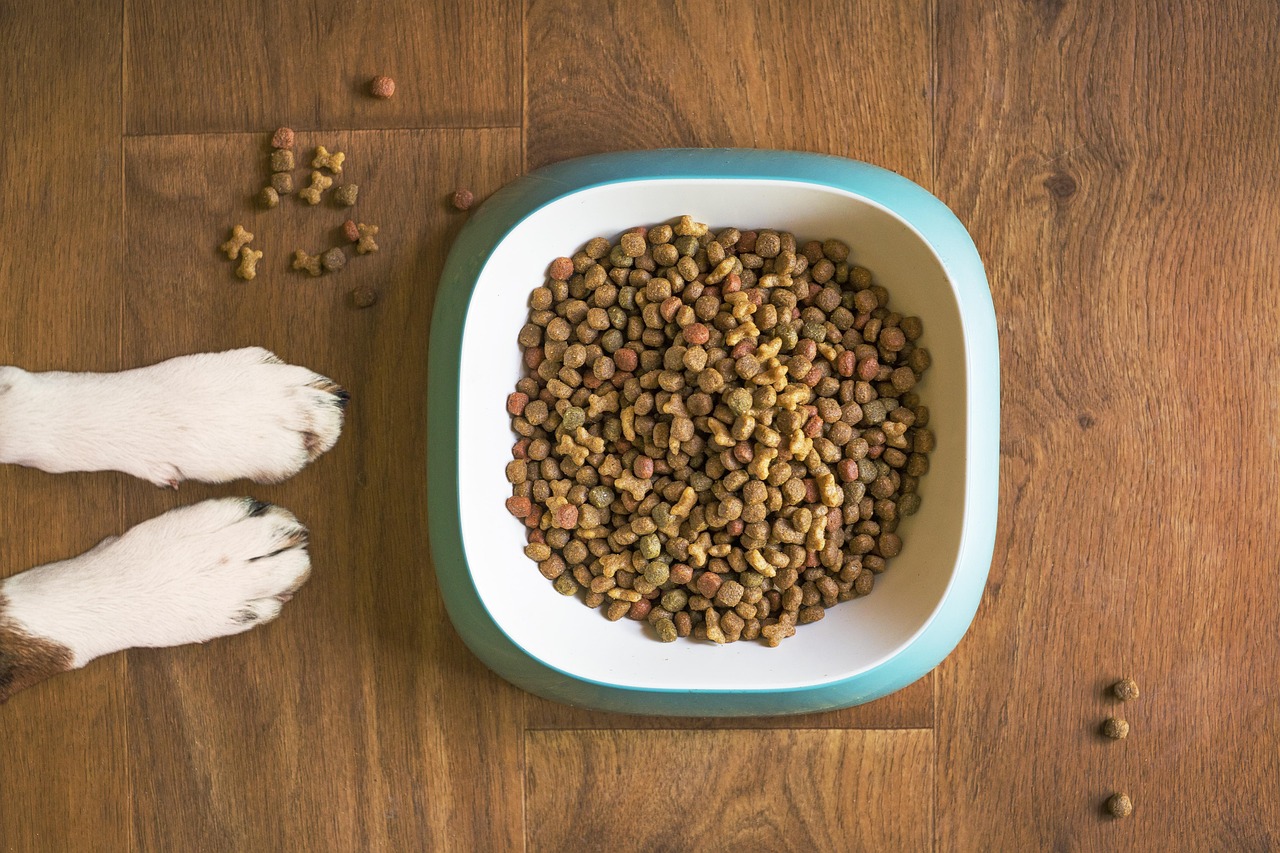
Another widespread myth is that dry kibble is the best option for all dogs. While kibble provides convenience and certain nutritional benefits, it is not the only option available. Fresh, raw, or homemade diets can also supply nutrients and promote a healthier coat, skin, and energy levels. The notion that wet food contributes to plaque buildup is misleading, as a dog’s dental health relies largely on genetics and routine veterinary care. In fact, some wet foods can offer greater hydration and palatability for dogs. Furthermore, the idea that dogs cannot be vegetarians is a belief that requires examination. Though dogs are not strictly herbivorous, a carefully planned vegetarian diet can be nourishing. Consulting with a veterinarian before making such transitions is crucial to ensure your dog receives essential nutrients. Additionally, many owners believe that their dogs will eat until they are full, leading to overeating and obesity. In actuality, it’s important for owners to monitor portion sizes regardless of the dog’s appetite, ensuring that they maintain a healthy weight for their breed and age.
Quality of Ingredients Matters
One prevalent myth surrounds the perception of commercial pet foods as universally equal. Selecting high-quality dog food involves understanding the ingredients listed on the packaging. Important components include protein sources, whether from real meat or meat meals, and the presence of whole grains versus fillers. Ingredients should ideally support a dog’s unique needs and health concerns. Higher quality often translates to more natural, wholesome ingredients absent of artificial preservatives and dyes. Additionally, many owners believe that all fats are bad for dogs. However, healthy fats play a critical role in maintaining their energy levels and supporting healthy skin and coats. Omega-3 and Omega-6 fatty acids are beneficial and can be sourced from fish oils or flaxseed. Furthermore, some think that feeding a dog an all-meat diet can be ideal; instead, balance is critical. Dogs require a variety of nutrients from different food sources. Enabling a mix of proteins, carbohydrates, and fats helps create a significant, nutritious diet for optimal health, energy, and longevity.
There’s a common belief that dogs should only eat two meals a day, but this is overly simplistic. Depending on their age, size, and energy requirements, dogs benefit from a flexible feeding schedule. Puppies may benefit from three to four meals throughout the day, while adult dogs might fare better with two or even more frequent smaller meals, depending on their digestive health. Therefore, owners should assess their dog’s unique needs to develop an optimal feeding routine. Additionally, many hold the misconception that supplements are unnecessary if feeding a commercial diet. While many well-formulated dog foods provide adequate nutrition, certain dogs may need extra support due to specific health concerns. Consultation with a veterinarian regarding the inclusion of vitamins and minerals can enhance overall well-being. Lastly, some dog owners believe that raw diets are dangerous. While they do carry risks, when balanced and prepared correctly, they can lead to better digestion and health for many dogs. Caution is necessary to avoid harmful bacteria and to maintain dietary variety, ensuring that it meets their nutritional requirements.
Conclusion on Dog Nutrition Myths
With various myths circulating about dog nutrition, it is essential for owners to educate themselves to provide the best care possible for their furry friends. Continuing to question common assumptions can lead to better food choices that support a dog’s activity levels, weight, and health. Engaging with a veterinarian or professional pet nutritionist gives further insights, yielding advice specific to individual dogs. Choosing appropriate diets, understanding the need for balance, and following a consistent meal routine can have profound effects on your pet’s well-being. A regular review of dietary needs, especially as dogs age or as health conditions arise, will ensure that the right adjustments are made over time. Many resources are available to help owners navigate the maze of feeding choices, ensuring that only safe and healthy options are provided. Keeping up with nutritional knowledge helps debunk common myths that can mislead and potentially harm pets. Ultimately, prioritizing informed decisions benchmarks a commitment to providing your pet with choices that enrich their lives and foster long-term health.
By recognizing the detrimental impact of unfounded dietary beliefs and myths, owners can enhance their understanding of what constitutes a proper diet for their dogs. Engaging with others in the animal care community, such as attending seminars or workshops, can also foster continuous learning. Researching dog nutrition provides insight into emerging trends and scientifically-backed evidence, serving to clarify what is accurate. Knowing how to interpret food labels further empowers owners to make informed choices. Discarding myths in favor of proven practices encourages a healthier, enriched lifestyle for dogs. A balanced diet with variation can contribute to improvements in energy, physical health, and even emotional stability. Community resources often provide valuable guidelines that can suggest appropriate strategies for customized feeding plans. Additionally, participating in discussions through forums or local groups can help dog owners learn from each other’s experiences, avoiding potential pitfalls in dog nutrition. Continuous education leads to informed choices about feeding practices that support longevity and vitality in pets. As more information becomes available, the dog-loving community can unite in promoting healthy eating habits and lifestyles for their beloved companions.
Produce is a vital component of any dog diet, yet many people wrongly believe that diets devoid of fruits and vegetables are acceptable. Whole food supplements sourced from fresh fruits and veggies can offer vitamins and minerals that contribute to optimal health. Carrots, blueberries, and pumpkin are excellent examples of nutritious options that dogs can enjoy safely. While many commercial foods already include some produce, it’s essential to ensure these ingredients are quality sourced and prepared without harmful additives. The belief that a dog prefers eating only meat ignores their omnivorous ancestry. Dogs have naturally benefited from diverse diets, employing fruits and vegetables as valuable nutrient sources for centuries. Furthermore, processing foods improperly can lead to nutrient loss in dog food, so owners should consider how the food they choose is manufactured to preserve nutrients. Homemade or fresh options allow for observing exact ingredients and amounts, fostering confidence in pet health. Owners should strive to incorporate a variety of safe ingredients in every meal. In this way, dogs enjoy the flavor while receiving numerous benefits that promote overall health and happiness in their daily lives.
Encouraging Healthy Eating Habits
Fostering healthy eating habits is crucial for ensuring that dogs maintain a good diet. Involving dogs in the preparation of their meals—by letting them see or smell fresh ingredients—can increase their interest and excitement about food. Offering choices allows dogs to become unintentional co-participants in meal times. While watching how a dog reacts to specific ingredients, owners can adapt their approach and benefit from what works best for their pet’s taste and dietary needs. Positive reinforcement through treats for good behavior can also help create enthusiasm around mealtime, making it a more enjoyable experience. Ensuring that mealtime interactions are positive and engaging can build a favorable association with nutritious food, thereby minimizing picky eating tendencies. Overall, transitioning away from myths towards healthier choices lays the groundwork for lifelong discipline around nutrition. When owners take deliberate actions towards fostering positive experiences around meal times, it greatly influences their dog’s willingness to consume nutritious foods, fostering healthy eating habits for lifelong vitality.