
Feeding Orphaned Puppies: Nutritional Guidelines and Feeding Schedules
Raising orphaned puppies can be a full-time commitment. These vulnerable animals need proper care and nutrition to thrive. An orphaned puppy’s primary nutritional requirement is a high-quality puppy milk replacer, as it closely mimics the nutrient profile of a mother dog’s milk. Puppy milk replacers contain essential proteins, fats, vitamins, and minerals ideal for growth. Feeding these pups every two to four hours is critical for their health and development. Use a bottle or syringe to feed milk replacer, making sure to keep the puppy on its stomach. This method aids in digestion and prevents aspiration. Additionally, keeping an eye on their weight gain is crucial. Puppies should ideally gain about 5-10% of their body weight daily. If you notice weight loss, it could be a sign of inadequate feeding or health concerns. Consult a veterinarian immediately if you see any signs of distress or poor health. Overall, with proper feeding schedules and nutrient-rich diets, orphaned puppies can thrive and develop into healthy, lively dogs. Remember that consistency in feeding is as important as the quality of nutrition provided.
Understanding Puppy Nutritional Needs
Orphaned puppies have specific nutritional needs that must be met for optimal growth. Their first few weeks are crucial, as this is when their bodies are developing rapidly. Initially, a milk replacer provides all necessary nutrients. Avoid using cow’s milk, which can cause digestive issues. The puppy milk replacer should be warm but not hot, as temperature plays a crucial role in their willingness to eat. In addition to milk replacers, incorporating solid food gradually after about four weeks is beneficial. Start with high-quality puppy kibble soaked in milk replacer to make it easy to consume. By six to eight weeks, most puppies can transition to dry food, ideally made for large or small breed puppies. These puppy foods are typically rich in proteins and fats that support healthy growth. Always ensure fresh water is available to encourage hydration. Monitoring their growth and adjusting food amounts accordingly will keep them healthy and active. Overfeeding can lead to obesity. Consult your veterinarian for proper feeding recommendations tailored to your puppy’s specific needs for the best outcomes.
Creating a feeding schedule is essential for orphaned puppies. Establishing routines helps them adapt and understand when to eat. Generally, feed orphaned puppies every three to four hours during the day considering their age and development phase. As they grow older, you can gradually extend the time between feedings. Consistency is key; it builds trust and security. During the early stages, if the puppy seems overly hungry or irritable, it might require more frequent feeding. Assess weight gain during these early days to ensure adequate nutrition. A consistent feeding schedule, paired with gradual introduction to solid food, will yield amazing results. Puppy’s social skills also develop during feeding times. They learn how to eat, interact and establish boundaries while competing for food. Avoid interruptions during feeding times, as they can create stressful experiences for the puppies. They might develop meal-related anxieties if startled or disrupted. A quiet, peaceful spot for feeding will aid in better eating habits and comfort. Additionally, consider monitoring their bathroom habits, as a healthy digestive system usually corresponds with consistent feeding practices and schedules that reflect their natural habits.
Signs of Health Issues in Puppies
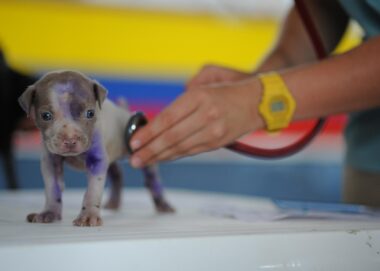
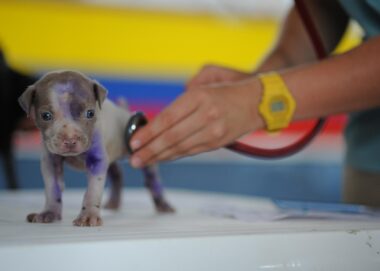
When raising orphaned puppies, being attentive to any signs of health issues is vital for their care. Watch for indicators such as lethargy, inconsistent feeding, diarrhea, or vomiting. Puppies should be active and responsive; if they become sluggish, it could signify underlying health problems. Monitoring their stool is equally important; healthy stool should be firm and well-formed. Diarrhea can lead to dehydration quickly in puppies, so promptly addressing any diet or health issues is crucial. If a puppy exhibits vomiting or continues to struggle with digestive problems, it’s essential to consult a veterinarian immediately. They can assess health concerns, recommend dietary adjustments, or prescribe medication as necessary. Furthermore, regular check-ups are advisable for orphaned puppies; vaccinations are crucial for safeguarding their health. Familiarizing yourself with puppy behavior will help you recognize when something feels off. At the same time, understanding what constitutes typical puppy behavior will reduce unnecessary worries. Overall, maintaining vigilance in observing any deviations in health will enhance the well-being of your orphaned puppies.
Providing a warm and safe environment plays a significant role in the success of raising orphaned puppies. These puppies often feel vulnerable due to their lack of maternal care and warmth. Create a proper nesting area that is free from drafts and ideally kept at a comfortable temperature. Use blankets or towels for bedding, ensuring frequent changes to maintain hygiene. Warmth can be supplemented with a heating pad set on low, but be cautious to prevent overheating. Ensure the puppies have enough space to spread out and snuggle if they wish. This mimics the warmth and comfort provided by a mother dog. Additionally, it’s beneficial to introduce a few toys for mental stimulation but ensure they’re safe and appropriate for their age. Interactions with humans and sensory experiences are crucial for developing their temperament and behavior. Socialization includes gentle handling, talking, and exposure to various sounds and environments. This experience prepares them for a well-adjusted future as family pets or companions. Overall, a nurturing environment will foster comfort, security, and healthy development for orphaned puppies, setting the foundation for lifelong well-being.
The Importance of Hydration
Just as nutrition is vital, hydration is equally essential for orphaned puppies. Puppies can easily become dehydrated, especially during stressful transitions or times of illness. Ensure they have constant access to clean, fresh water even while consuming a milk replacer. Transitioning to solid food should also be accompanied by a gradual introduction to water. Monitor water intake as this will help gauge their health; adequate hydration contributes significantly to overall body function. Signs of dehydration include lethargy, dry gums, or sunken eyes, which require immediate attention. Some caretakers choose to moisten dry food with water to help with blending solid food and ensuring hydration needs are met. As they grow and adapt to solid foods, hydration habits will also develop. Offering water in shallow bowls will encourage them to drink; they are naturally curious and tend to explore their options. Changing the water regularly also keeps it appealing for them. Regular check-ups with a veterinarian will help maintain their health, ensuring both dietary and hydration needs are adequately met. Ultimately, keeping orphaned puppies hydrated is critical to their health and well-being.
Socializing orphaned puppies is another essential component of their development process. Early socialization helps them grow into well-adjusted adult dogs. Expose them to various people, including children, and other animals, in a controlled environment. This introduction should be gradual, ensuring the puppies feel secure in every interaction. Positive experiences will shape their temperament and reduce anxiety in unfamiliar situations. Attending puppy socialization classes is an excellent way to facilitate friendly encounters with other dogs. Vet visits should be part of their experience too; friendly dogs and positive interactions within the clinic can make a significant difference in their anxiety levels. Playtime is also beneficial; safe supervised play groups can enhance their social skills. Allowing orphaned puppies to learn bite inhibition through play can make future interactions healthier and safer. Regularly engaging them in various environments helps develop their confidence. Keeping sessions short ensures they remain engaged without overwhelming them. Overall, creating positive social experiences will cultivate healthy and balanced adult dogs ready to be loving companions.
Long-term Nutritional Needs
Understanding that nutritional needs will change as orphaned puppies grow is important for their long-term health. During their first year, puppies need meals specifically formulated for their growth stages, rich in proteins and essential nutrients. Choosing high-quality puppy food is crucial; brands that offer growth formulas with proper caloric density will support healthy weight gain and overall development. As dogs reach adulthood, their dietary requirements change significantly, transitioning to adult dog food tailored to their age, weight, and activity level. Regularly consulting with a veterinarian will help guide suitable dietary changes over time. Portion control is also essential as puppies age; adjust feeding portions according to their growth patterns to prevent obesity. Incorporate healthy treats to reinforce good behaviors and training gently. Fresh fruits and vegetables can also be healthy alternatives to conventional treats. Finding a balance in nutrition promotes optimal health and supports their physical and mental well-being. Continuous monitoring of their digestive health and weight will signal when dietary revisions are necessary. Setting a foundation for lifelong healthy eating habits will contribute significantly to their overall quality of life for years to come.